
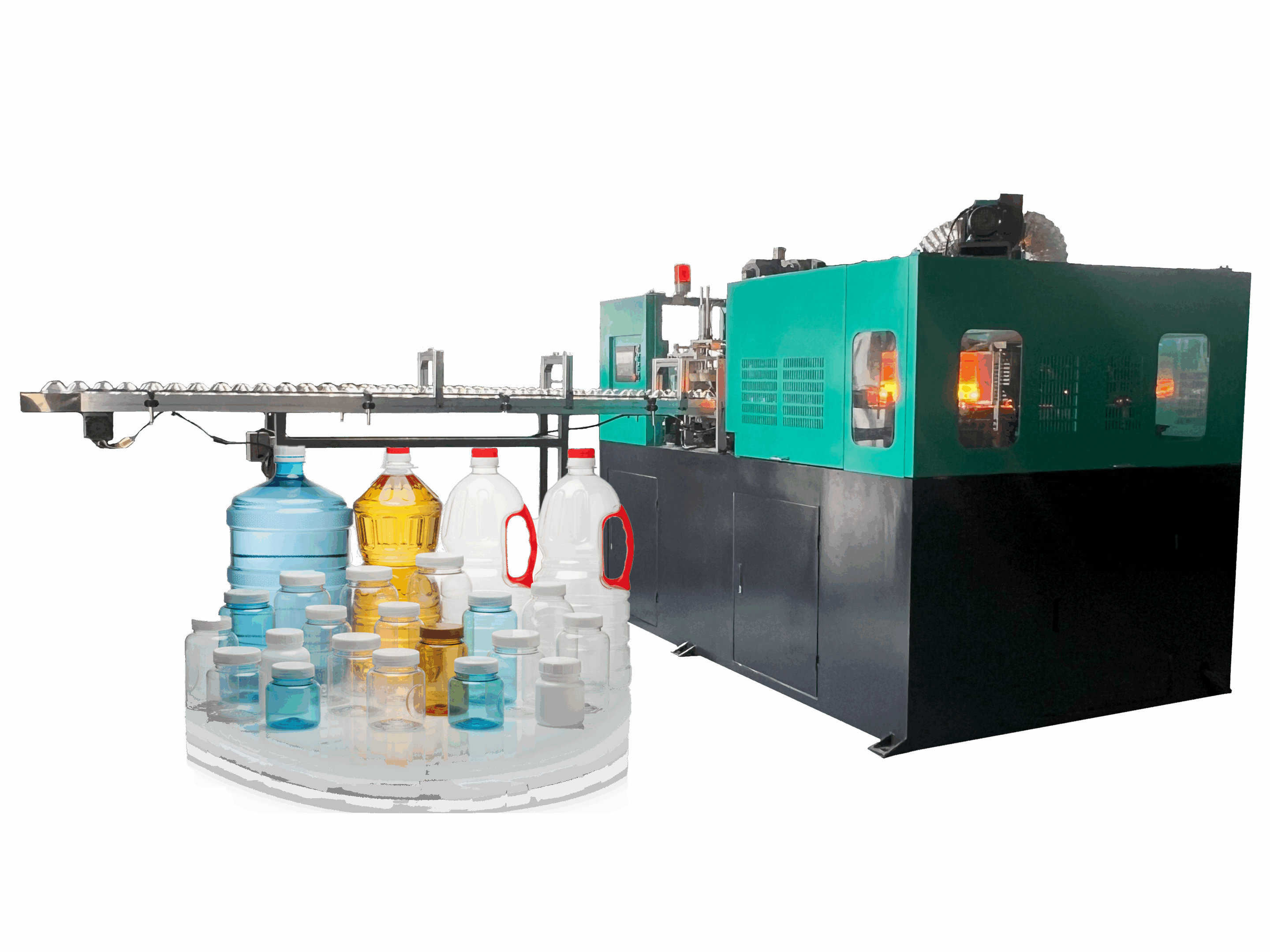
How Should Buyers Handle Installation Costs for All-Electric Blow Molding Machines?
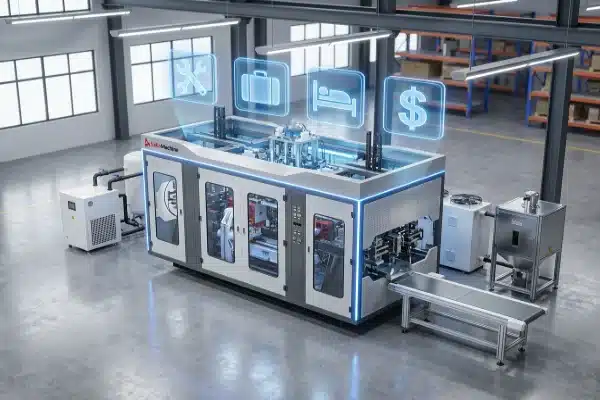
At our facility, we see excitement turn to frustration when hidden installation costs surface fixed daily per diem 1. Unclear contracts regarding engineer expenses can quickly derail your budget and delay production start-up.
Always negotiate a written contract detailing specific responsibilities before dispatch. Clarify if the daily engineer allowance ($150–$250/day) includes meals or is separate. Explicitly define who books hotels and flights, and establish a “Not to Exceed” cap for reimbursable expenses to prevent budget overruns due to unexpected delays.
Let’s break down the specific cost components to ensure your project stays profitable.
Who Pays for Accommodation, Meals, and Engineer Allowances?
When we send our engineers abroad, vague expense terms often cause friction. Without clear rules, travel costs can spiral, leaving you with an unexpected bill during the commissioning phase 2.
Typically, the buyer covers round-trip airfare, visa fees, local transport, and accommodation directly. Additionally, a daily labor allowance is paid to the engineer. To control costs, we recommend booking hotels yourself using corporate rates and agreeing on a fixed daily per diem for meals and incidentals.

Clarifying the division of financial responsibility is the first step in a successful machine import. In our experience exporting from China, the standard industry practice—especially for mid-to-high-end machinery like our all-electric series—is a “Plus-Expenses” model. Because we cannot accurately predict the cost of living in your specific region, whether you are in Texas or Thailand, we rely on the buyer to handle local logistics.
The Standard Cost Structure
Most manufacturers, including our team, quote the machine price separately from installation services. The daily wage for a skilled commissioning engineer typically ranges from $150 to $250 USD per day. However, this fee generally covers only the labor. It does not cover the cost of existence (eating and sleeping) in your country.
To avoid disputes, we advise clients to book accommodations directly. This allows you to control the budget by utilizing local corporate rates or selecting hotels within a reasonable distance from your factory. If you leave this to the supplier, you risk being billed for premium bookings or last-minute expensive arrangements.
Managing Daily Allowances (Per Diem)
You must clarify if the daily wage includes food. Usually, it does not. You have two options:
- Reimbursement: The engineer submits receipts for meals. We generally advise against this as it creates administrative work and potential conflicts over what constitutes a “reasonable” meal (e.g., alcohol exclusions).
- Fixed Per Diem: You provide a flat cash amount (e.g., $50/day) for food. This is the cleanest method.
Cost Split Responsibility Matrix
Below is a typical breakdown of responsibilities we recommend for smooth operations:
| Expense Category | Typical Responsibility | Best Practice for Cost Control |
|---|---|---|
| Round-trip Airfare | Buyer | Book Economy Class; require 14-day advance booking notice. |
| Visa Fees | Buyer | Reimburse base fees only; Supplier covers expedited fees due to their delays. |
| Accommodation | Buyer | Buyer books directly to ensure standard pricing (3-star business level). |
| Daily Labor Wage | Buyer ($150-$250/day) | Defined in the contract; pay only for days worked + travel days. |
| Meals / Per Diem | Buyer | Use a fixed daily cash allowance indexed to local GSA rates. |
| Local Transport | Buyer | Provide a company driver or rental car to avoid taxi surges. |
How Should We Handle Delays and Site Readiness Issues?
We often arrive at customer sites only to find utilities unconnected or materials missing. This downtime burns through your budget if the contract lacks specific clauses regarding standby charges.
Contractually distinguish between supplier-caused delays and site unreadiness. If your facility isn’t ready, you typically pay “standby rates” for our idle engineers. However, if our machine parts are missing, you should demand a suspension of daily fees. Define these scenarios clearly to avoid disputes during commissioning.

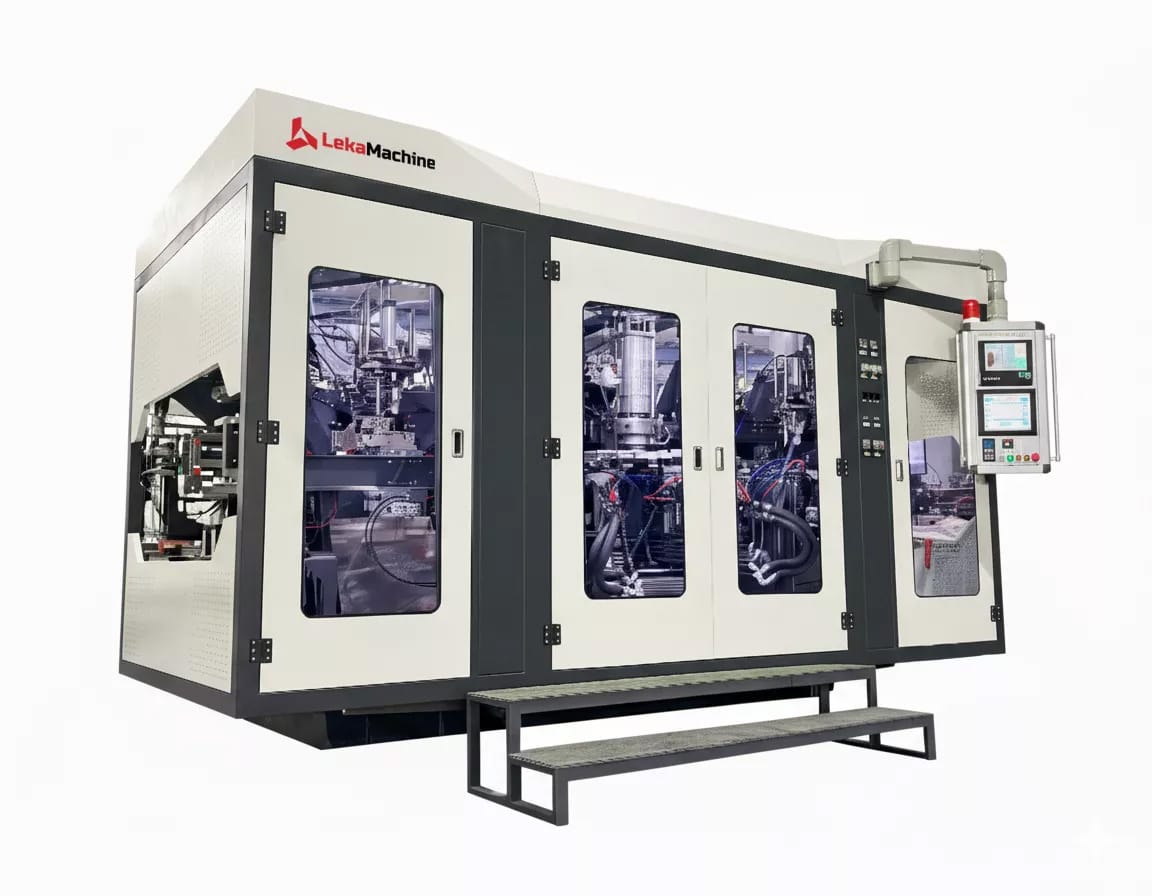
The installation of all-electric extrusion blow molding machines is significantly more sensitive than legacy hydraulic systems. These machines require precise voltage stability, specific grounding, and clean environments for the servo drives. Unlike hydraulic machines where a mechanic can “make it work” with a hammer and wrench, all-electric systems require software calibration that cannot begin until the physical infrastructure is perfect.
The High Cost of “Waiting”
If our engineer arrives and the power drop isn’t installed, or the cooling water isn’t running, the engineer is effectively stranded. In standard contracts, the buyer is liable for the engineer’s daily wage and living expenses during this “Standby” period. For a two-week installation, a three-day delay due to site unreadiness can add $1,000+ to your bill without a single bottle being produced.
Defining “Duty to Mitigate”
To protect yourself, your contract should include a “Duty to Mitigate” clause. Duty to Mitigate clause 3 If the delay is extensive (e.g., waiting for a transformer that takes a week to arrive), the supplier should be obligated to recall the engineer or pause billing, rather than charging you indefinitely.
Allocating Financial Responsibility for Delays
It is vital to agree on who pays based on the root cause of the delay. We recommend using the following logic in your purchase agreement:
| Delay Scenario | Root Cause | Financial Responsibility | Action Required |
|---|---|---|---|
| Site Not Ready | Buyer (Power/Air/Water missing) | Buyer Pays | Buyer pays full daily rate + per diem. |
| Material Shortage | Buyer (Resin/Mold not available) | Buyer Pays | Buyer pays full daily rate; Engineer may assist with other tasks. |
| Missing Machine Parts | Supplier (Shipping error) | Supplier Pays | Daily billing pauses; Supplier covers engineer’s extra hotel/meals. |
| Software Failure | Supplier (PLC/Servo issues) | Supplier Pays | Daily billing pauses until the machine is operational. |
| Force Majeure | External (Weather/Strikes) | Shared | Typically Buyer pays accommodation; Supplier waives labor fee. |
The “Crash Kit” Approach
To prevent delays caused by minor component failures during startup, we always ship a “Crash Kit” of spare sensors, relays, and fuses. We strongly suggest you confirm your supplier does the same. Waiting three days for a $50 sensor to clear customs is a preventable expense.
Is a Fixed-Price Turnkey Contract Better Than Time-and-Materials?
In our export projects, we notice clients struggling to predict total installation costs. Choosing the wrong pricing model exposes you to unlimited financial risk during complex integrations.
A “Time-and-Materials” contract offers transparency but carries high risk if delays occur. Conversely, a fixed-price turnkey agreement provides budget certainty but may include a higher markup for risk buffer. For most all-electric machine installations, a daily rate with a strict “Not to Exceed” cap offers the best balance.

When finalizing the purchase of capital equipment, you will generally face three types of contract structures for installation. Understanding the nuance of these can save you thousands of dollars. Because all-electric machines involve complex digital integration (unlike simple plug-and-play hydraulic units), the time required can vary based on your local technicians’ skill level in learning the new HMI (Human-Machine Interface 4).
The Risks of Open-Ended Contracts
A pure “Time-and-Materials” contract is risky. Time-and-Materials contract 5 If the supplier sends an inexperienced engineer who takes 15 days to do a 7-day job, you pay for their learning curve. On the other hand, a “Fixed Price” (Turnkey) contract creates a different problem: the supplier will bake in a heavy safety margin (often 30-50% markup) to protect themselves against travel variances.
The Strategic “Not to Exceed” (NTE) Compromise
We recommend a hybrid approach. You agree to pay the daily rate ($150-$250) and actual travel expenses, but you set a Total Cap. For example, “Installation not to exceed $5,000 without written authorization.” This forces the supplier to work efficiently while ensuring you don’t pay an inflated fixed price if the job goes smoothly.
Cleanroom Considerations
Many of our all-electric machines go into medical or food packaging cleanrooms. Installation here is slower due to gowning protocols and tool sterilization. If your facility requires this, a Fixed Price contract might actually be safer for you, as it shifts the risk of slow “cleanroom pace” onto the supplier.
Pricing Model Comparison for Buyers
| Contract Type | Buyer Risk | Supplier Risk | Mejor aplicación |
|---|---|---|---|
| Time & Materials (T&M) | Alta (You pay for all delays) | Bajo (Guaranteed profit on labor) | R&D projects or highly customized, non-standard lines. |
| Fixed Price (Turnkey) | Bajo (Price is locked) | Alta (Must estimate perfectly) | Standard machines in well-prepared, standard factories. |
| T&M with NTE Cap | Moderado (Protected by ceiling) | Moderado (Incentivized efficiency) | Recommended: Best for All-Electric machine integration. |
Remote Commissioning Options
Given the digital nature of our all-electric platforms, we can sometimes offer “Hybrid Commissioning.” A mechanical technician installs the hardware, while our senior engineers calibrate the servos remotely via a secure internet connection. This can reduce travel costs by 40-60%, eliminating the need to fly in high-cost software specialists.
Conclusión
Clear contracts prevent hidden costs. By defining allowances, travel logistics, and delay penalties upfront, you ensure a smooth, budget-friendly start-up for your LEKA production line.
Notas al pie
- Replaced HTTP 404 with the official GSA per diem rates, an authoritative government source. ↩︎
- Replaced HTTP 404 with an authoritative Wikipedia definition of project commissioning. ↩︎
- Explains the legal obligation to minimize losses after a contract breach. ↩︎
- Provides a concise definition of the hardware or software for human-machine interaction. ↩︎
- Replaced HTTP 403 with an authoritative government source (Federal Acquisition Regulation) defining Time-and-Materials contracts. ↩︎



0 Comentarios