
Accumulator vs Continuous Extrusion Heads: The Ultimate Comparison Guide (Cost & Output)
You might be struggling to decide between accumulator and continuous extrusion heads for your next production line. Making the wrong choice often leads to wasted materials, poor wall thickness, and energy bills that hurt your profit margins.
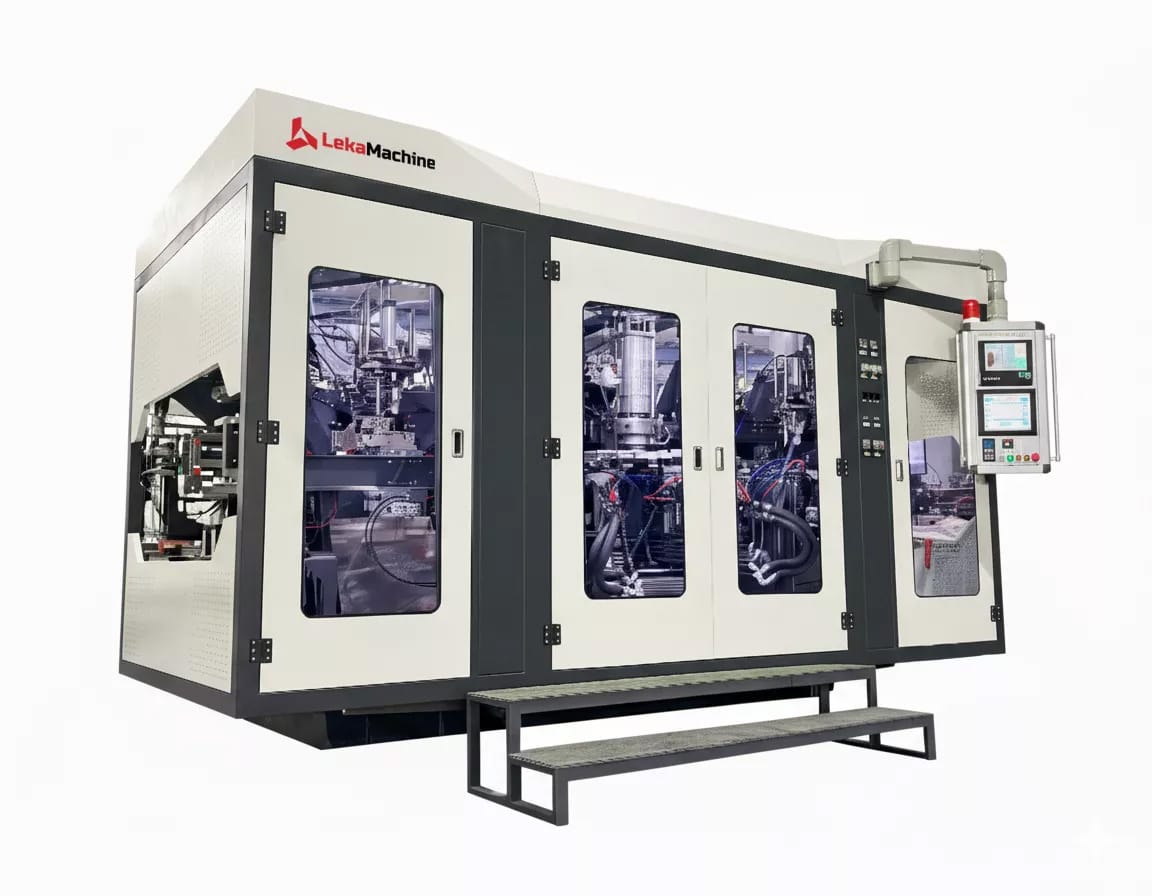
If you are still unsure which blow molding machine best fits your product size and production requirements, you may start by reviewing our equipment series. For example, the
FORMA Series extrusion blow molding machine
— designed for small bottles, personal care packaging, and other versatile applications with high speed and efficiency — as well as the
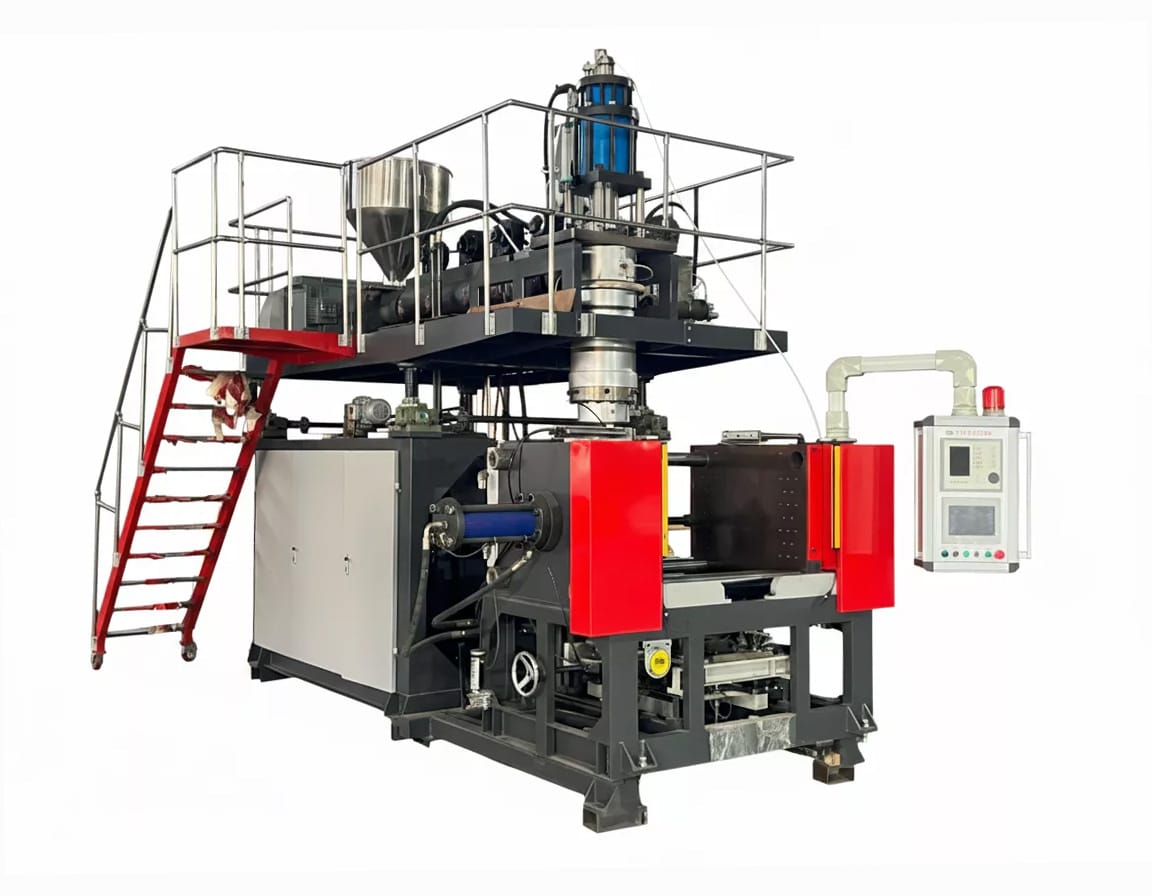
Accumulator Head extrusion blow molding machine
which is specifically engineered for large-volume containers and high wall-thickness control. These systems help you select the most suitable solution based on product size and production rhythm.
Accumulator heads store molten plastic to push it out in batches, making them essential for large drums and tanks (20L-250L+). Continuous extrusion heads flow constantly, which is perfect for high-speed production of small consumer bottles (<5L). Your choice must depend on your container size and material viscosity.

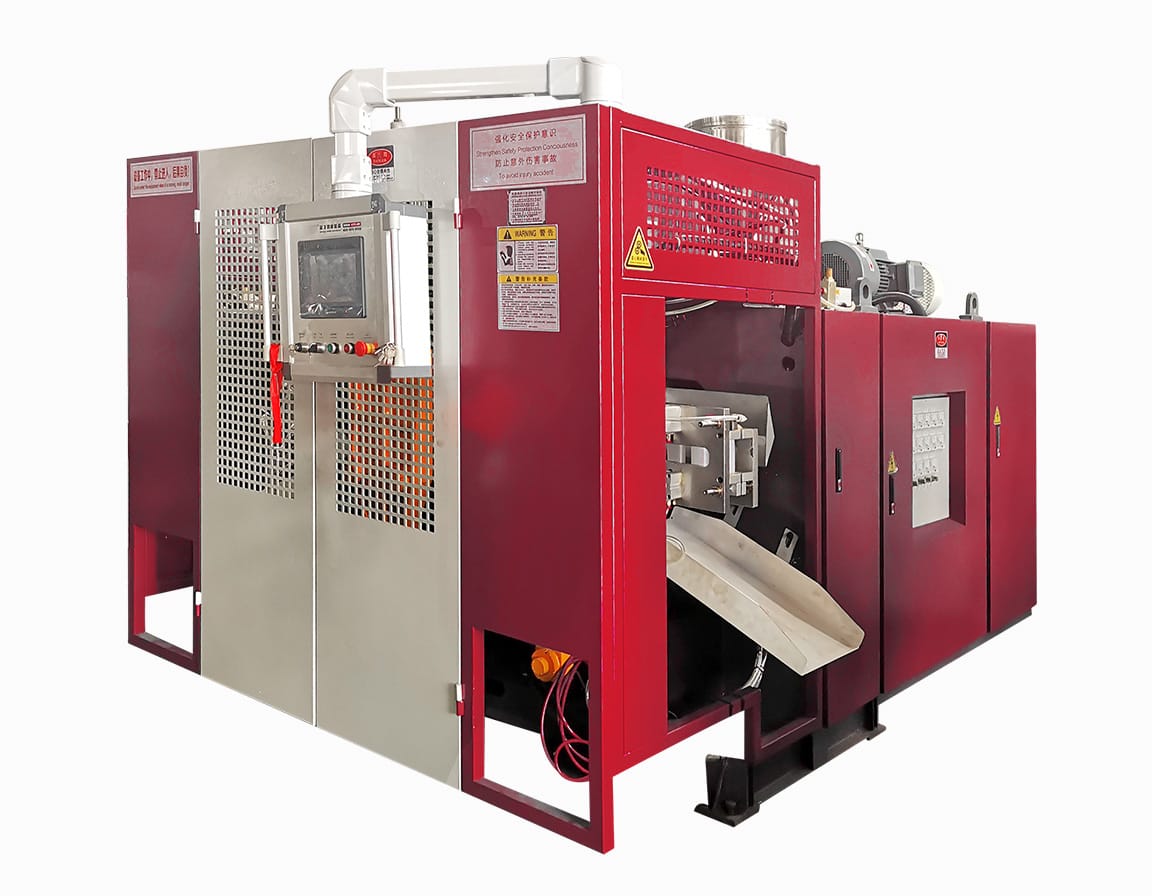
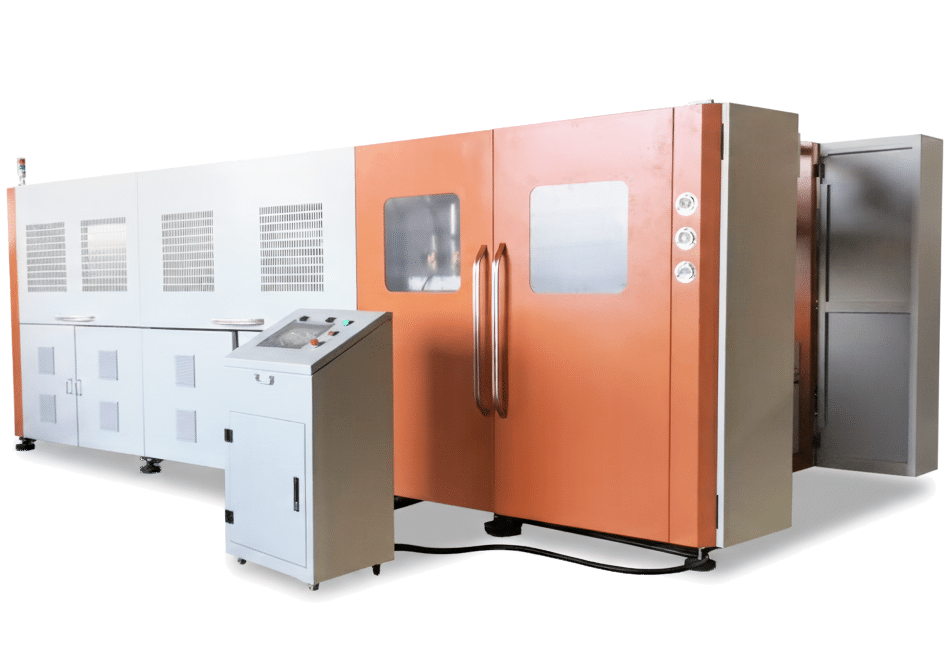
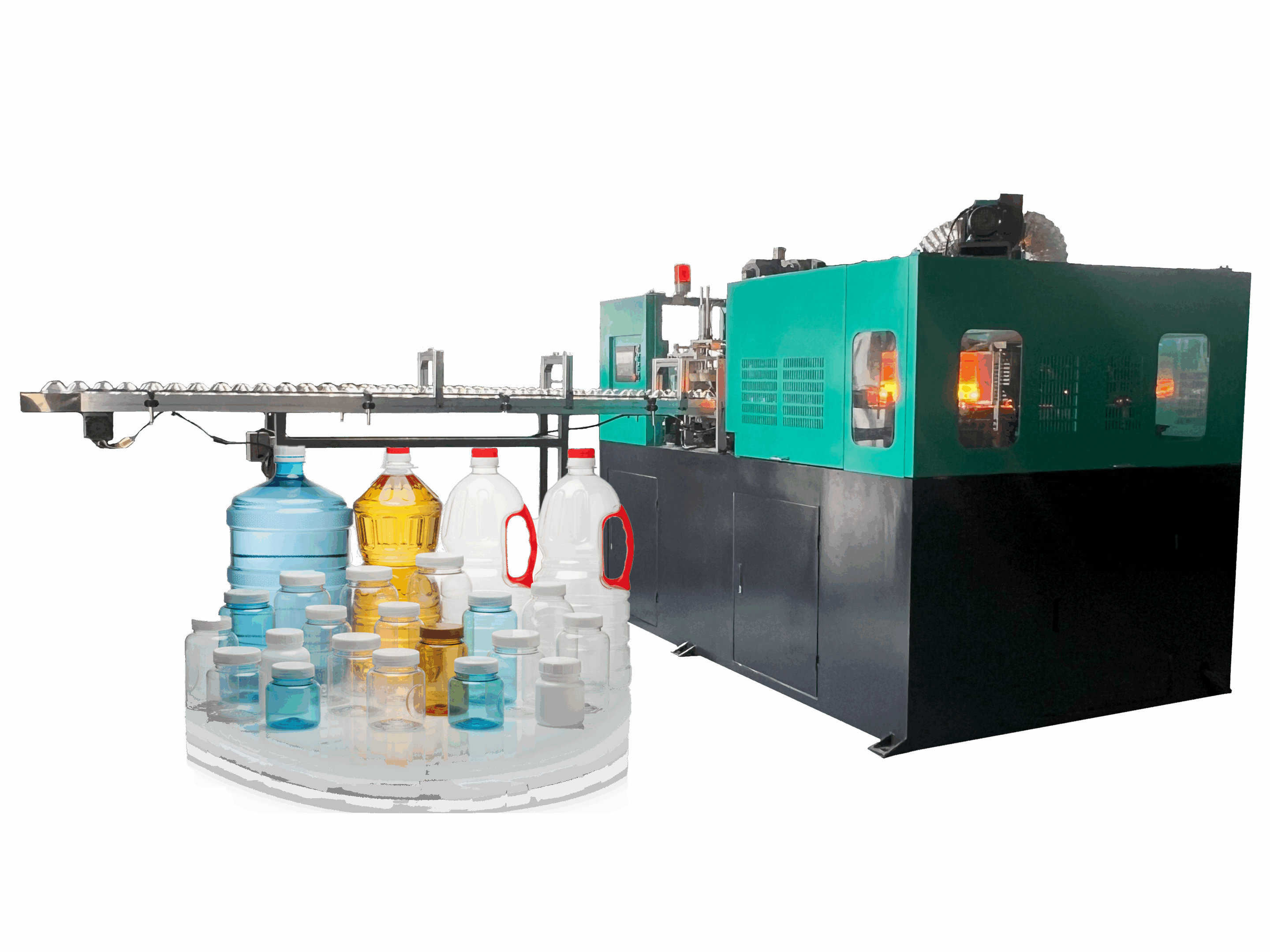
Este collage muestra cabezales acumuladores y de extrusión continua en una máquina de moldeo por extrusión-soplado que forma parisones para la producción de botellas de plástico.
I have seen many factory owners buy a machine based solely on the initial price tag, only to find out it cannot handle the weight of their product. To help you avoid this, I will break down the mechanics, the output calidad, and the real costs of these two technologies.
How Accumulator and Continuous Extrusion Heads Really Work (Without the Textbook Jargon)?
Textbook definitions often make simple mechanical processes sound incredibly confusing. You just need to understand how the plastic moves through the máquina to know if it fits your specific product needs.
Accumulator heads use a chamber to store plastic and a piston to shoot it out quickly, preventing gravity from stretching the material. Continuous extrusion heads rely on a constant flow from the screw, which works well only if the plastic is light enough not to sag or break.

The Core Mechanical Differences
I want to dive deep into what actually happens inside the steel. When you look at an Cabezal del acumulador, think of it like a giant medical syringe. The extrusor screw melts the plastic, but it does not push it directly out of the die. Instead, the plastic flows into a heated storage chamber. Once the chamber is full, a hydraulic ram (or piston) pushes the “shot” of plastic out very fast. I find this design brilliant for one specific reason: it beats gravity.
When you are making a large part, like a 200L drum, the plastic tube (parison) is very heavy. If it hangs there too long, it stretches under its own weight. This is called parison sag. The accumulator shoots the plastic out so fast that gravity does not have time to ruin the wall thickness. This system allows you to use materials with high viscosity and high molecular weight without them snapping.
On the other hand, Extrusión continua is like a running tap. The screw turns, and the plastic comes out. It never stops. The mold captures the plastic, cuts it, and moves away, but the plastic keeps flowing for the next one. This is simple and elegant, but it has a limit. If the parison becomes too heavy, the continuous flow cannot support it. The plastic stretches at the top and bunches at the bottom. This is why you rarely see continuous extrusion used for anything larger than a 10L or 20L jerry can unless the material is very special.
Mechanism Comparison Table
| Característica | Cabezal del acumulador | Extrusión continua |
|---|---|---|
| Plastic Flow | Intermittent (Batch processing) | Constant (Uninterrupted flow) |
| Parison Formation | Rapid ejection by piston | Gradual gravity flow |
| Main Advantage | Prevents sagging in heavy parts | High speed for light parts |
| Cycle Style | Stop-and-Go | Continuous Wheel or Shuttle |
Drums vs Bottles: Which Extrusion Head Gives You Better Wall Thickness, Cycle Time and Output?
You cannot expect high calidad if you use the wrong head for your container size. The battle between drums and botellas is really a battle between wall control and production speed.
Accumulator heads are the only viable option for heavy-walled containers like 220L drums because they allow for precise thickness control. Continuous extrusion heads are the winner for bottles under 5L, offering output rates of over 600 pieces per hour with consistent, standardized geometries.
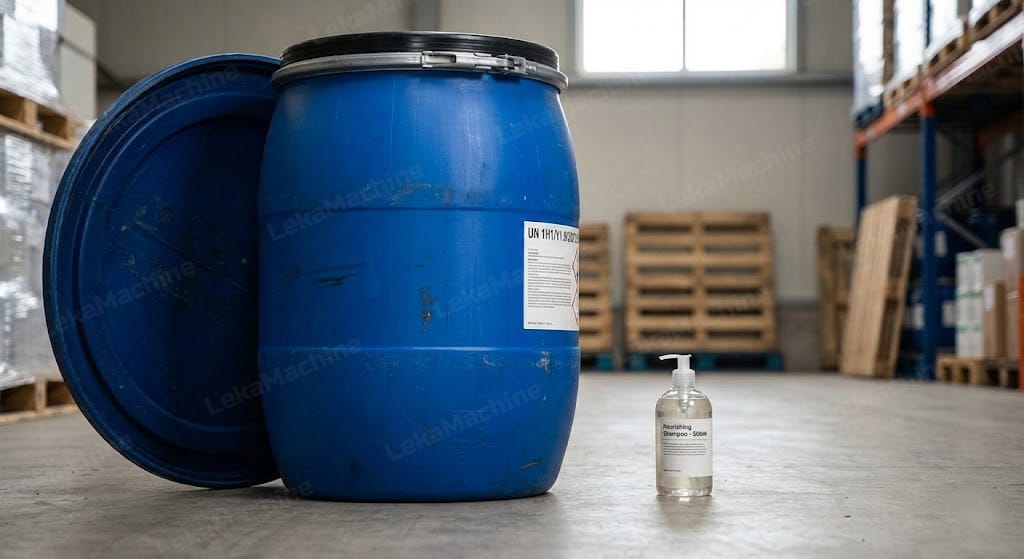
A big industrial drum and a small dispenser bottle show how extrusion blow molding machine and stretch blow molding machine packaging ranges from bulk to retail size.
The Impact of Size on Quality
I have worked with manufacturers who tried to push continuous extrusion too far. They tried to make 25L heavy containers on a continuous machine. The result was a disaster. The bottom of the container was thick, and the neck was paper-thin. This happens because of the “sag” I mentioned earlier.
Why Accumulators Win on Large Drums
Para productos industriales ranging from 20L to 250L+, the accumulator head is king. The machine uses a programming system to change the gap of the die while the piston pushes the plastic out. Because the push is instant, the programming is accurate. You can make the corners thicker and the straight walls thinner. This saves you a massive amount of material. Also, these heads can handle materials with low melt strength. If you tried to hang 5kg of molten plastic from a continuous head, it would just fall on the floor.
Output Rates and Volume
However, if you are making botellas de champú)., milk jugs, or cosmetic containers (50ml to 5L), the accumulator is too slow. An accumulator machine might give you 360 to 450 large pieces per hour because the cooling time for thick plastic is long. But for small bottles, speed is everything. Continuous extrusion heads work with shuttle or wheel machines. They can produce 300 to 600+ pieces per hour easily. I know some wheel systems that do thousands per hour.
In the continuous process, the limiting factor is how fast you can cool the mold and move it out of the way. In the accumulator process, the limiting factor is often how fast you can melt the next batch of plastic. So, if you need high volume for small items, go continuous. If you need structural integrity for big items, go accumulator.
Output & Application Guide
| Tamaño del Envase | Recommended Head | Typical Output (pcs/hr) | Productos comunes |
|---|---|---|---|
| Under 5 Liters | Continuo | 300 – 600+ | Cosmetics, Detergents, Dairy |
| 5L to 20L | Either (Depends on design) | Varies | Bidones de agua, Edible Oil |
| 20L to 250L+ | Accumulator | 360 – 450 (Large Drums) | Bidones Industriales, Water Tanks, Automotive |
The Money Side: Energy, Scrap, Tooling and Total Cost per Container Compared?
Buying the cheapest machine is often a trap that leads to higher operating costs later. You need to look at the total cost of ownership, including the hidden costs of energy and scrap material.
Continuo extrusion machines have a lower initial investment but can generate more scrap during startup and color changes. Accumulator systems cost more upfront but can achieve energy efficiency under 0.13 kWh/lb for medium containers and reduce trim waste on complex large parts.
Breaking Down the Investment
I always tell my clients to look beyond the sticker price. Yes, from a pricing perspective, continuous extrusion machines are generally less expensive initially. The technology is simpler. You do not need the massive hydraulic rams or the large storage chambers found in accumulator heads. If you are a startup making simple bottles, this lower barrier to entry is attractive.
However, the accumulator head justifies its higher price tag through material savings and versatility. Modern accumulator systems have become surprisingly energy efficient. Some advanced models now consume less than 0.13 kWh per pound of material processed. How do they do this? In a continuous machine, the motor works hard constantly against high back pressure. In an accumulator system, the pressure is high only during the “shot.” For the rest of the cycle, the extruder fills the chamber with relatively low resistance. For medium-sized containers, this can actually save you money on your electric bill.
Scrap and Automation Hidden Costs
There is another cost factor that I see people ignore: Automation and Scrap. Continuous extrusion is highly compatible with automation. The bottles come out, a “spin trimmer” cuts the waste, and the bottle goes to packing. It is clean and fast.
Accumulator systems are different. Currently, the mainstream usage for these large parts still requires manual labor assistance. A worker often has to stand there, take the hot tank out, and trim the “flash” (excess plastic) by hand. This increases your labor cost. However, because accumulator heads allow for such precise wall thickness programming (parison control), you use less plastic per container. You are not making the whole drum thick just to make sure the corners are safe. You put the plastic exactly where you need it.
Furthermore, accumulator heads handle color changes better. The chamber is self-cleaning in a way. You shoot out the old color, and the new color fills the chamber. In continuous systems, you often have to run the machine for a long time to bleed out the old color, creating a huge pile of scrap plastic that you have to grind up and recycle.
Cost Analysis Breakdown
| Cost Category | Cabezal del acumulador | Extrusión continua |
|---|---|---|
| Initial Machine Cost | High (Complex Hydraulics) | Low to Moderate |
| Eficiencia energética | Good for large volume (Intermittent load) | Good for small volume (Constant load) |
| Residuos materiales | Low (Precise programming) | Moderate (Startups & color changes) |
| Labor Cost | Higher (Often manual trimming) | Lower (Easy to automate) |
Conclusión
For small, high-volume bottles, choose continuous extrusion to maximize speed and lower initial costs. For large industrial drums, you must use accumulator heads to control wall thickness and handle heavy material weights.


0 Comentarios