


Different Types of Blow Molding Explained
Blow molding is a fascinating process in the world of manufacturing. It creates hollow plastic parts with precision and efficiency.
This technique is essential for producing everyday items. Think of bottles, containers, and even automotive parts.
Understanding blow molding types is crucial for manufacturers and designers. It helps in selecting the right process for specific needs.
There are three main types of blow molding. Each has unique characteristics and applications.
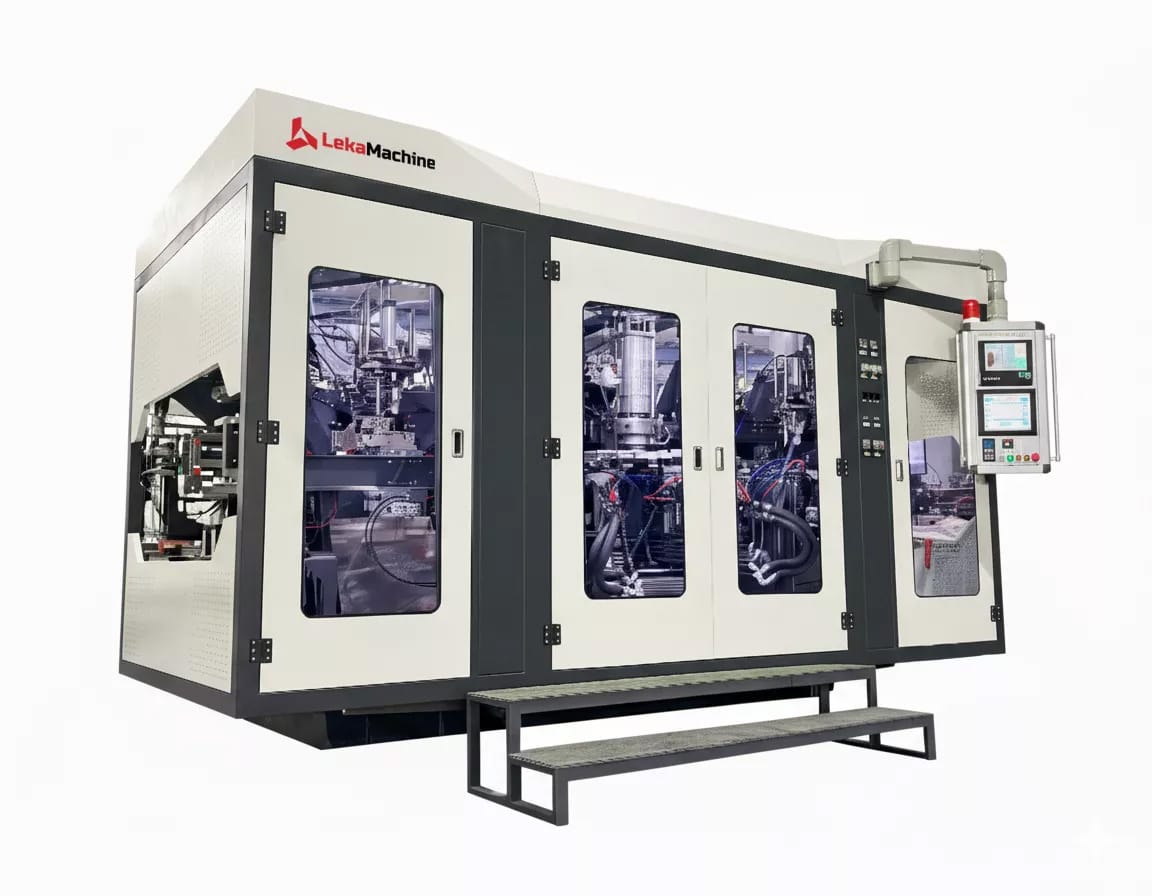
Extrusion blow molding is one of the most common methods. It’s ideal for making large hollow parts.
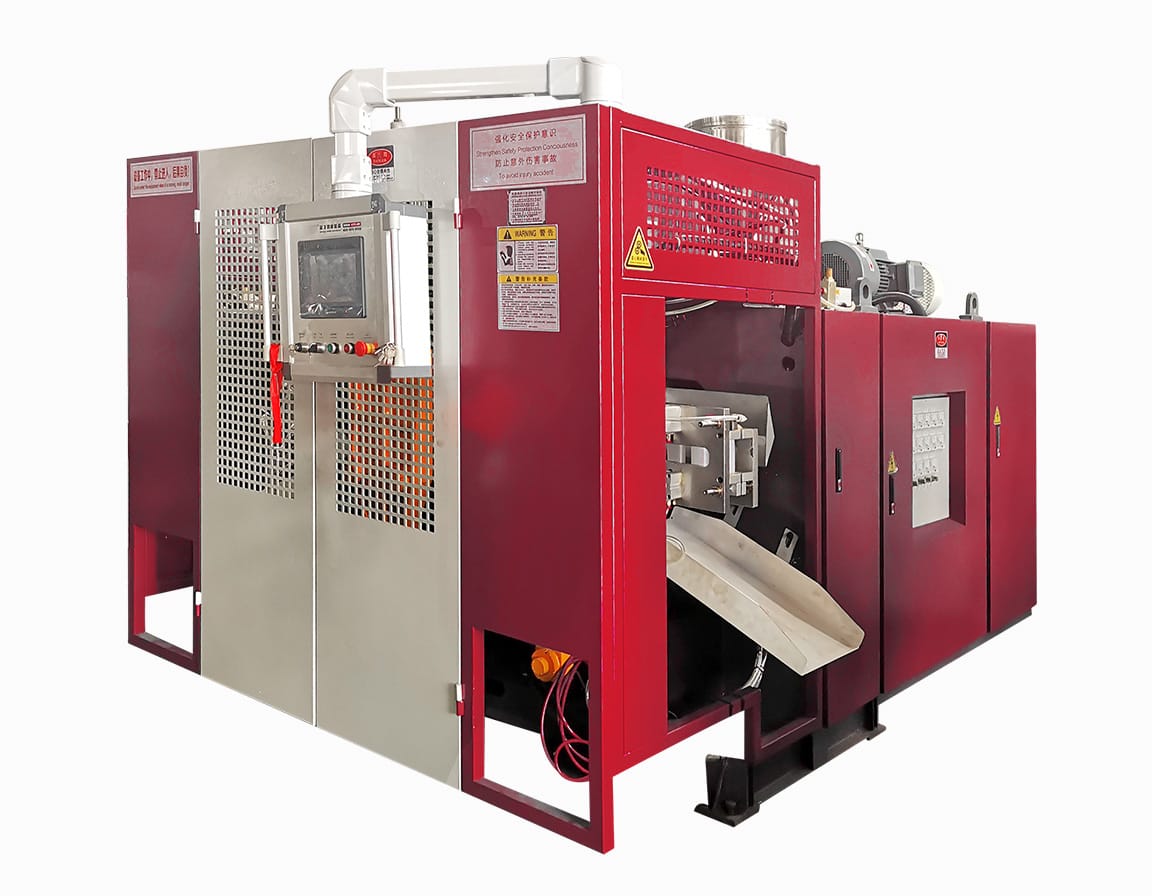
Injection blow molding is perfect for small, precise containers. It offers high precision and uniformity.
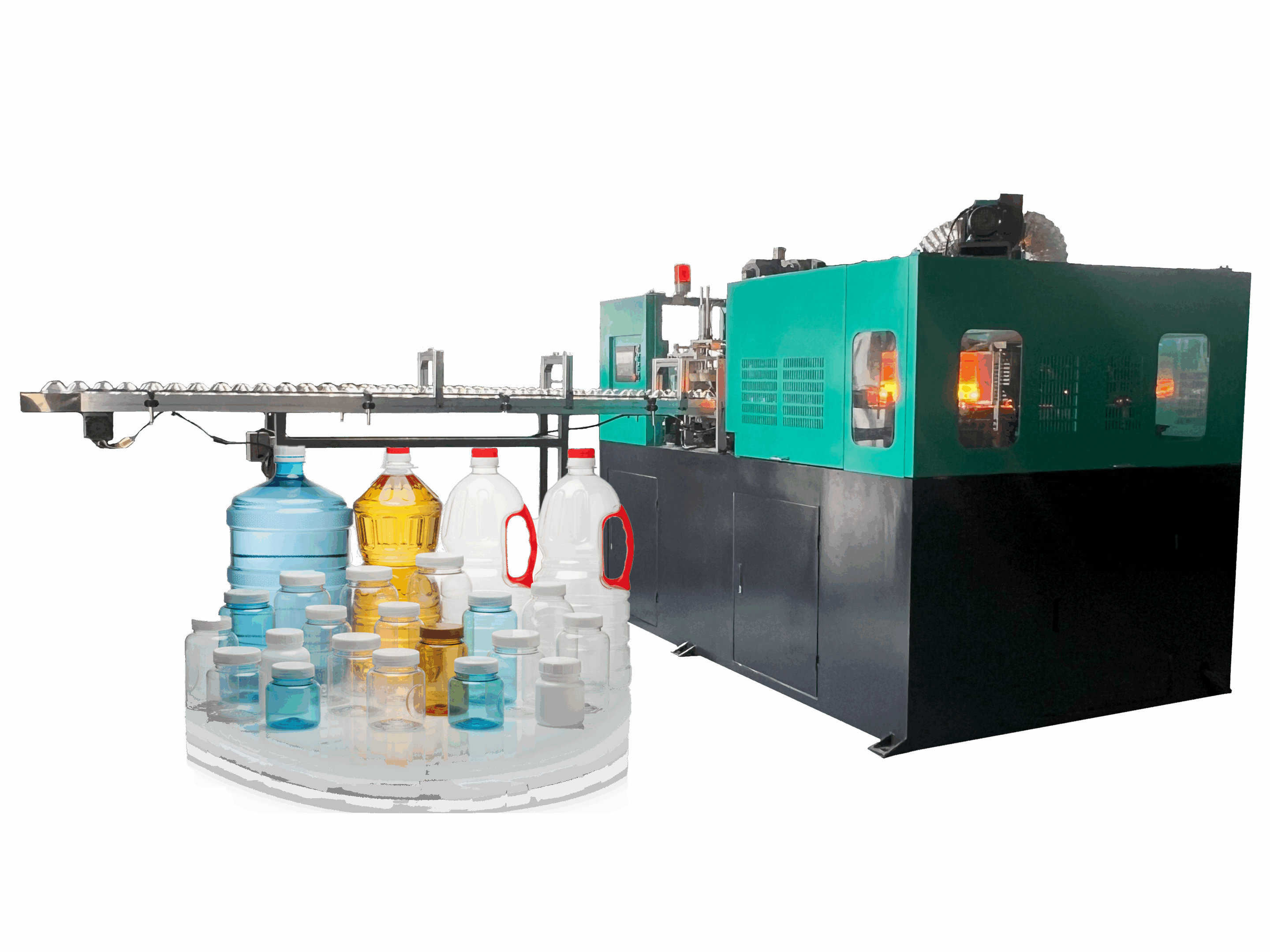
Stretch blow molding is often used for PET bottles. It enhances the strength and clarity of the final product.
Choosing the right blow molding type depends on various factors. These include material, design, and production volume.
What Is Blow Molding?
Blow molding is an essential process in plastic manufacturing. It involves forming hollow plastic parts through a unique method. This technique is pivotal in creating everyday items we often take for granted.
The process starts with heating plastic material until it becomes malleable. Next, the hot plastic is shaped into a hollow tube, known as a parison. Air is then blown into the parison, inflating it to match the mold’s shape.
This process is widely appreciated for its ability to produce complex shapes. It offers design flexibility, allowing for integrated features like handles. Blow molding also supports both single-layer and multi-layer production, further enhancing its versatility.
Key steps in blow molding:
- Heating plastic to a workable state
- Forming a hollow parison
- Inflating the parison inside a mold
Modern blow molding machines vary in complexity. Some are designed for high volume production, while others cater to more specialized tasks.
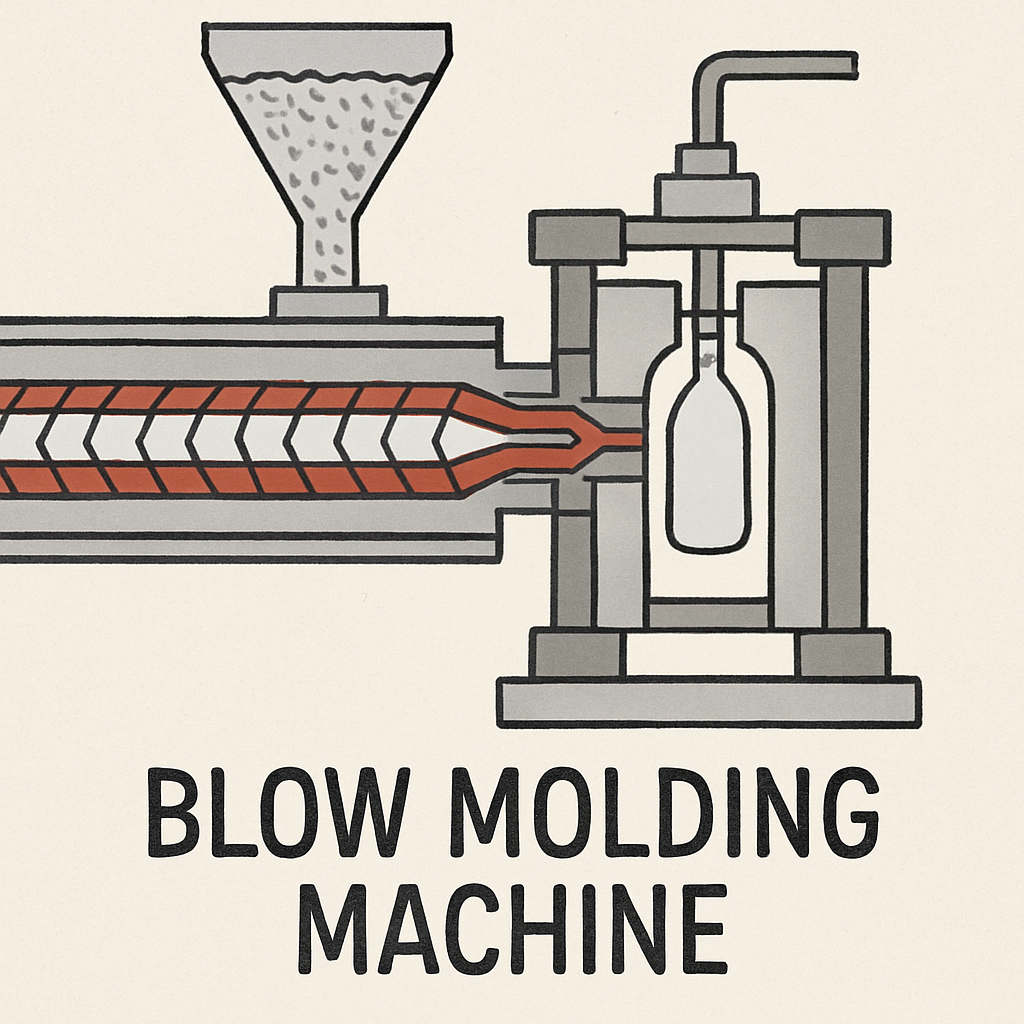
Each type of blow molding caters to different applications, making it crucial to understand the options available.
The Main Blow Molding Types
Blow molding comes in several types, each suitable for specific needs. The three main categories are extrusion, injection, and stretch blow molding. Each type uses different methods to shape plastic.
Blow molding process types include:
- Extrusion Blow Molding: Melts plastic, extrudes it into a hollow tube, then inflates into a mold.
- Injection Blow Molding: Uses a preformed parison that is blown into its final shape in a mold.
- Stretch Blow Molding: Involves axial stretching of the parison before air is blown in, enhancing strength.
Understanding these types helps in selecting the right technique for your product needs.
Extrusion Blow Molding
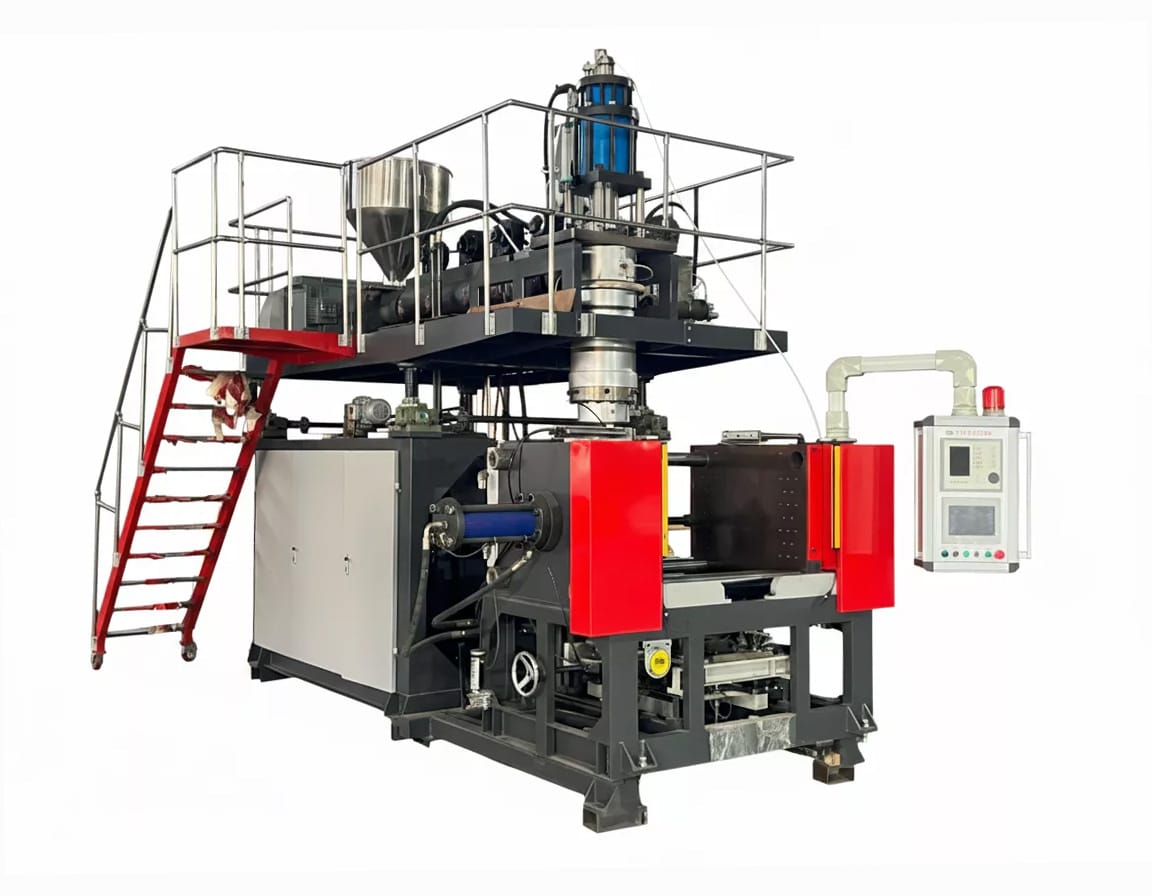
Extrusion blow molding is a popular technique in the plastic manufacturing industry. It starts with melting plastic and forming it into a parison. The parison is then placed in a mold and inflated with air.
This method is efficient for producing large containers and simple hollow parts. It is widely used for products like shampoo bottles, fuel tanks, and automotive components. The process is also cost-effective for large production runs.
Extrusion blow molding can be further divided into two subcategories: continuous and intermittent. Continuous extrusion allows for non-stop parison production, ideal for high-volume operations. In contrast, intermittent extrusion stops the parison production briefly for cooling and mold changes.
Key advantages of extrusion blow molding include its simplicity and ability to produce complex shapes. It also allows for easy implementation of multi-layer technology. Multi-layer bottles provide excellent barrier properties and are used for packaging sensitive liquids.
Some common products created using extrusion blow molding are:
- Bottles and containers
- Automotive ductwork
- Smart technologies: Real-time monitoring for precision.
- Environmental focus: Increased use of recycled materials.
- Energy efficiency: Optimizing processes to reduce energy consumption.Toys and sports equipment
 Choosing extrusion blow molding depends on factors like production volume and product design. It offers a balance between cost and flexibility, making it a favored choice in various industries.Continuous vs. Intermittent Extrusion Blow Molding
Continuous extrusion blow molding is suitable for large-scale production. It involves a non-stop parison formation, making it fast and efficient. This approach minimizes downtime and maximizes output.
On the other hand, intermittent extrusion stops between cycles to allow cooling and mold changes. It’s more adaptable for smaller runs and different mold shapes.
Key differences to consider:
- Continuous Extrusion: Offers efficiency and speed for high-volume needs.
- Intermittent Extrusion: Provides versatility for diverse product designs and smaller production volumes.
In choosing between the two, consider factors like volume needs and product complexity. Each approach serves distinct purposes in the blow molding industry.
Injection Blow Molding
Injection blow molding involves the use of a preformed parison. The parison is injected into a mold cavity and inflated to fit the final shape. This method is known for producing precise and uniform products.
This process is ideal for smaller containers requiring accuracy and consistent wall thickness. It’s often used for packaging in the pharmaceutical and cosmetic industries. Products like medicine bottles and cosmetic jars benefit from this method.
The injection blow molding process offers several benefits:
- Exceptional precision in product dimensions
- Consistent wall thickness and uniformity
- Cost-effectiveness for medium-sized production
This technique involves three stages: injection, blowing, and ejection. First, the parison is injected into the mold cavity. Next, air is blown into the cavity to shape the plastic. Finally, the product is ejected once cooled.
Common applications include:
- Pharmaceutical bottles
- Cosmetic containers
- Small beverage bottles
Choosing injection blow molding depends on the need for precision and product volume. Its ability to produce detailed shapes makes it invaluable in certain industries.
Stretch Blow Molding
Stretch blow molding enhances product strength and clarity through its unique process. It involves axially stretching the parison before inflating it. This stretching aligns the polymer chains, resulting in a stronger final product.
The process is divided into two types: single-stage and two-stage stretch blow molding. Single-stage integrates preform creation and blowing in one machine. Two-stage separates these steps, offering flexibility and higher production volumes.
Stretch blow molding is commonly used for producing PET bottles for beverages. The method provides excellent clarity and strength, crucial for bottling industries. It’s popular in packaging carbonated drinks and juices.
Benefits of stretch blow molding include:
- Enhanced strength and durability of products
- Greater clarity and visual appeal
- Flexibility in container designs
Applications are abundant in the food and beverage industry, including:
- Water and soft drink bottles
- Cooking oil containers
- Personal care bottles
Consider stretch blow molding for needs requiring strength and aesthetic appeal. It’s perfect for industries focused on branding and product presentation.
Other Blow Molding Variations
Beyond the main blow molding types, several other variations exist. These specialized methods cater to unique production needs and material requirements. For instance, injection stretch blow molding combines aspects of injection and stretch blow molding. This hybrid approach is perfect for complex container designs.
Additionally, co-extrusion blow molding allows for multi-layer structures. It’s ideal when different materials need to be layered for specific properties. Such advancements enable the creation of products with customized features.
Other variations include:
- Injection Stretch Blow Molding: A blend of injection and stretch techniques for intricate shapes.
- Co-Extrusion Blow Molding: Creates multi-layer products with enhanced barrier properties.
These variations expand the capabilities of blow molding, offering tailored solutions for diverse applications.
Key Differences Between Blow Molding Types
Understanding the differences between blow molding types is essential for selecting the right method. Each type caters to distinct production needs and material characteristics. These differences influence the choice of process based on desired outcomes.
Extrusion blow molding is best for high-volume, large-scale production. It excels in making items like bottles and large containers. In contrast, injection blow molding is chosen for precise, small containers due to its exactness in wall thickness and detail.
Stretch blow molding stands apart with its strength and clarity for PET bottles, often seen in beverage packaging. It enhances material performance through stretching.
Key differences include:
- Extrusion Blow Molding: Ideal for large hollow parts; cost-effective for high volumes.
- Injection Blow Molding: Offers precision and uniformity; suited for small, detailed containers.
- Stretch Blow Molding: Provides strength and transparency; perfect for PET bottles.
Recognizing these key distinctions helps in optimizing product design and manufacturing efficiency.
Applications of Plastic Blow Molding
Blow molding plays a significant role across various industries. Its versatility allows the production of a wide range of products. Understanding its applications can help in harnessing its full potential.
Packaging is one of the most common applications. Blow molded bottles and containers are ubiquitous, from beverage PET bottles to shampoo containers. The flexibility of blow molding allows the inclusion of handles and spouts.
The automotive industry also benefits from blow molding. It produces fuel tanks, ductwork, and other hollow components. This process helps in keeping vehicles lightweight yet durable.
In addition, the consumer goods sector sees extensive use of blow molding. Toys, outdoor equipment, and household items often rely on this process.
Key applications include:
- Packaging: Bottles and containers for beverages and personal care.
- Automotive: Fuel tanks and complex duct systems.
- Consumer Goods: Toys, household products, and outdoor equipment.
These applications underscore the importance and versatility of plastic blow molding in modern manufacturing.
Choosing the Right Blow Molding Process
Selecting the appropriate blow molding process is crucial. It impacts the product’s quality, cost, and manufacturing efficiency. Different factors must be weighed to make this decision.
Firstly, consider the material to be used. Not all plastics are suitable for every blow molding type. Secondly, think about the design and complexity of the product. Certain designs are more feasible with specific blow molding methods.
Production volume also matters. Some processes are better for high-volume outputs, while others suit smaller batches. Assessing these elements can lead to a more informed choice.
Key considerations include:
- Material compatibility: Match the process with the suitable plastic.
- Design complexity: Choose a method that accommodates intricate designs.
- Production volume: Align with the method’s efficiency for batch sizes.
Making the right choice ensures an efficient and effective manufacturing process.
Advances and Trends in Blow Molding
The field of blow molding is evolving, with significant innovations emerging. These advancements enhance efficiency and product quality.
Smart technologies are making a notable impact. Real-time monitoring systems are being integrated into blow molding machines. This allows for improved precision and control during production.
Environmental trends are also shaping the industry. There is a growing emphasis on using recycled plastics. This focus helps in reducing the environmental footprint of the manufacturing process.
Key advancements include:
- These trends indicate a promising future for blow molding, pushing both technology and sustainability forward.
Environmental Considerations in Blow Molding
Environmental impact is a growing concern in the blow molding industry. Manufacturers are seeking ways to reduce waste and energy use. This shift is crucial for sustainable production.
Recycled materials are being used more frequently. This change helps decrease the demand for new plastics. Innovations in material science are also supporting the development of biodegradable options.
Key environmental measures include:
- Use of recycled plastics to lower new material needs.
- Development of biodegradable options to minimize waste.
- Process optimization to enhance energy efficiency.
These efforts aim to align the blow molding process with sustainable practices, reducing its ecological footprint and boosting overall efficiency.
Conclusión
In summary, understanding the various blow molding types is essential for selecting the right manufacturing process. Each type offers unique benefits and is suited for different applications and product requirements.
With ongoing technological advances and a focus on sustainability, blow molding continues to evolve. This evolution ensures that it remains a vital process in creating versatile and innovative plastic products. As industries move towards eco-friendly solutions, the future of blow molding looks promising, balancing efficiency with environmental responsibility.
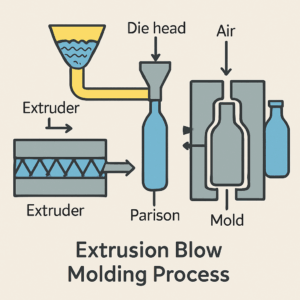 Choosing extrusion blow molding depends on factors like production volume and product design. It offers a balance between cost and flexibility, making it a favored choice in various industries.Continuous vs. Intermittent Extrusion Blow Molding

0 Comentarios