
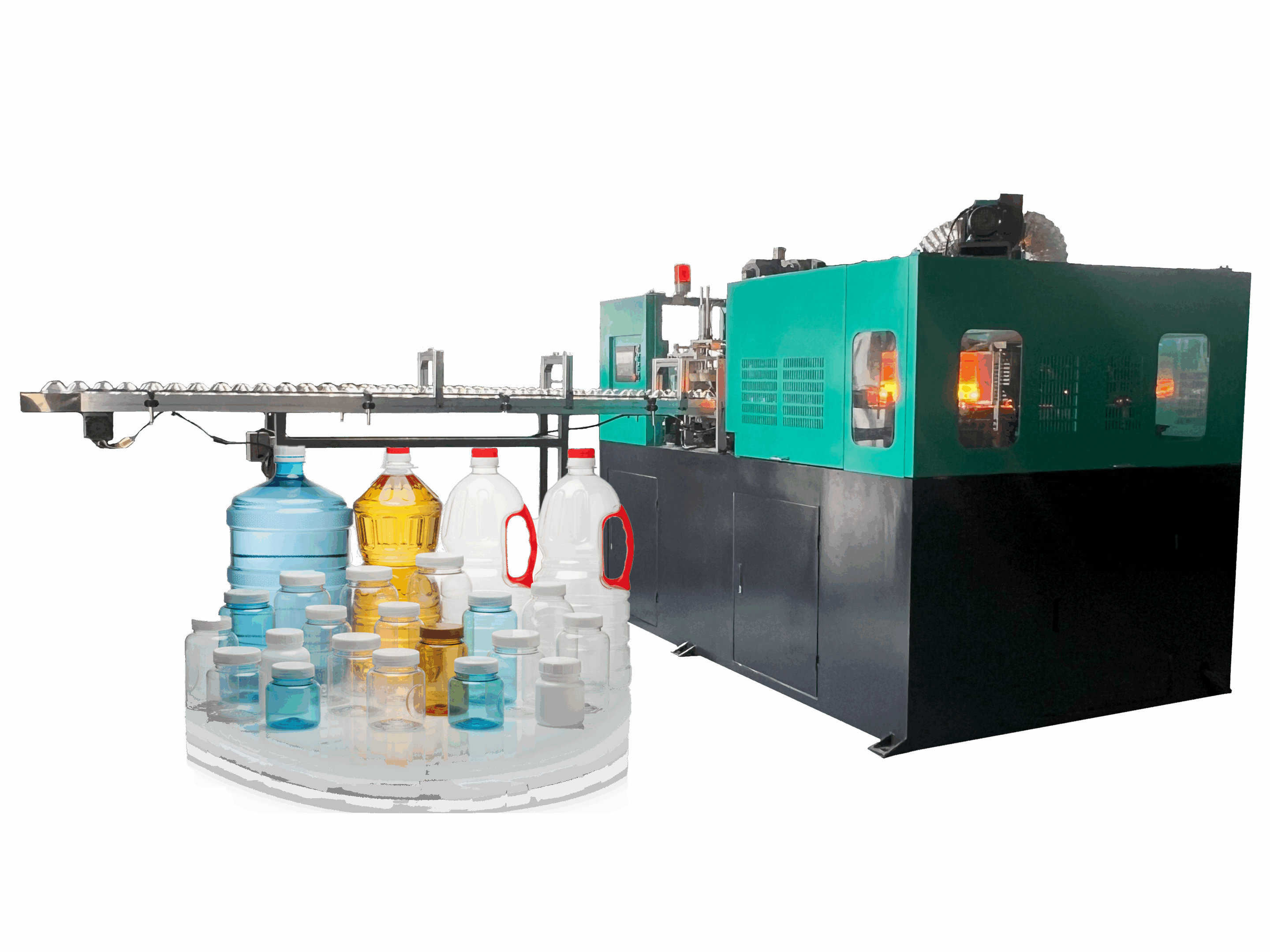
10 Botellas de HDPE con Pedidos Estables para Fábricas de Soplado por Extrusión-Soplado
Let’s be honest about the manufacturing business. Winning a project for a cool, uniquely shaped bottle feels great. But those orders often disappear after a season or two.
The real money in moldeo por soplado isn’t in the “flashy” stuff. It is in the boring, everyday items.

I’m talking about the bottles that end up in every kitchen, garage, and laundry room. We call these “stable orders.” These are products with long life cycles, standard neck sizes, and predictable logistics. They keep your machines running 24/7 for years, not just months.
In this article, we are going to look at 10 specific HDPE and PP bottle types that drive the industry. We are focusing strictly on containers made on Extrusión Soplado (MBE) machines. This checklist is designed to help you identify which products can fill your capacity and when it might be time to upgrade your equipment to handle them profitably.
What Makes an HDPE Bottle “Stable” For Your Factory?
So, what makes a bottle “stable”?
First, it has high repeat consumption. Households and businesses buy these products every week or month. Second, the shape is fixed. Big brands hate changing the physical geometry of a bottle because it forces them to adjust their filling and labeling lines.
Finally, these bottles are perfect for Extrusion Blow Molding. They often require handles, view stripes (to see how much liquid is left), or heavy walls for durability—features that EBM handles better than any other technology.
Segment 1: Food & Dairy
Everyday HDPE Bottles That Never Sit Still on the Shelf.

Blow molded HDPE milk bottles with a molded liquid level window help operators and users check fill volume accurately.
1. Fresh Milk HDPE Bottles and Family Jugs
Dairies are some of the most consistent customers you can have. Families buy milk every week, and the bottle design rarely changes. Common sizes range from 1 liter up to large family jugs.
- Design Checklist: You need a “View Stripe” so customers can see the fill level. The neck and shoulder must be strong enough to handle high stacking loads.
- Machine Match: Speed is key. A dual-station shuttle machine with a multi-die head is standard. You need closed-loop parison control to keep the weight down while maintaining strength.
2. Yogurt and Fermented Dairy Drink Bottles
Yogurt flavors change constantly, but the bottle shape usually stays the same. These are often small, single-serve bottles (100ml to 500ml) made of HDPE or PP.
- Design Checklist: The neck finish must be perfectly flat for the foil seal to work.
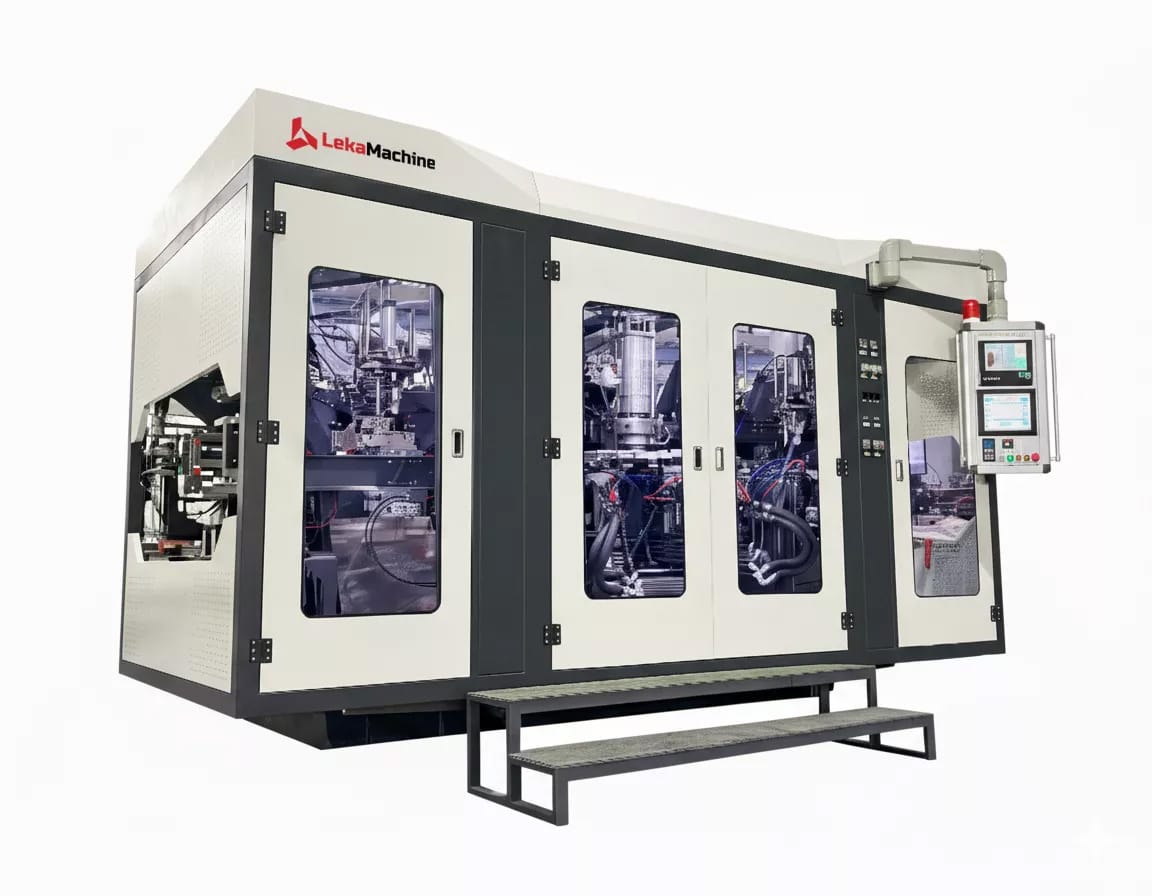
- Machine Match: Cycle time is everything. For high-volume output of small bottles, multi-cavity tooling on a machine like the Serie FORMA is an ideal choice for flexible production.
3. Cooking Oil and Sauce Bottles (0.5L – 5L)
Whether it is soy sauce or canola oil, these bottles are a classic, long-life product family.
- Design Checklist: If the oil is filled hot, the bottle needs “vacuum panels” to prevent it from sucking in and deforming as it cools. Handles must be comfortable.
- Machine Match: A reliable mid-range EBM machine works well here. If you are producing large 5L oil jugs, you need a machine with sufficient mold platen size.
Segment 2: Home & Personal Care
Refill-Heavy, Brand-Switch-Friendly HDPE Bottles.

4. Laundry Detergent and Fabric Softener Jugs
This is the “sticky” SKU. Once a factory wins a contract for 2L or 5L detergent jugs, they often keep it for years. You can often use one mold shape for five different brands—just change the color and the label.
- Functional Checklist: These jugs get heavy. The handle “flash” needs to be trimmed perfectly so it doesn’t cut the user’s hand.
- EBM Setup: Many brands now ask for Recycled HDPE (PCR) layers. This requires a co-extrusion setup (multiple extruders) on your machine.
5. Dishwashing Liquid and Kitchen Cleaner Bottles
These are the high-volume soldiers of the kitchen. They are often squeezed frequently, so the material distribution is key.
- Design Points: Grip ribs are essential for wet hands. The base must be flat and stable.
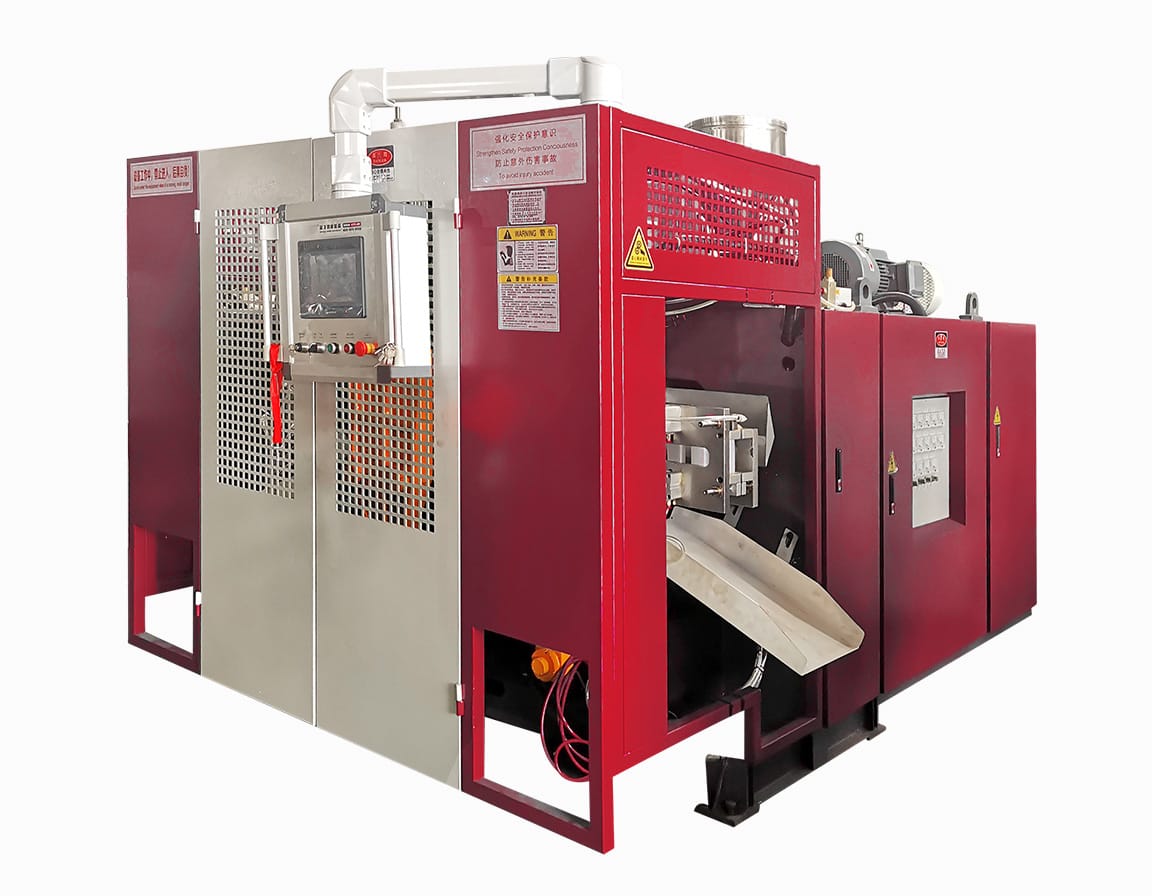
- Machine Match: For smaller volumes, a multi-die head setup helps you hit high output numbers. Automation like in-mold deflashing helps keep labor costs down.
6. Shampoo and Body Wash HDPE Bottles
Why do brands choose HDPE over PET for the shower? Because HDPE has a soft “warm” touch and offers a matte finish that looks premium.
- Bottle Checklist: The wall thickness must be uniform so the bottle returns to its shape after being squeezed.
- EBM-Side Notes: You might face many small SKUs (different scents, different colors) per day. You need a machine that allows for quick mold changes.
Segment 3: Industrial & Chemical
HDPE Bottles with Strict Specs and Predictable Volume.
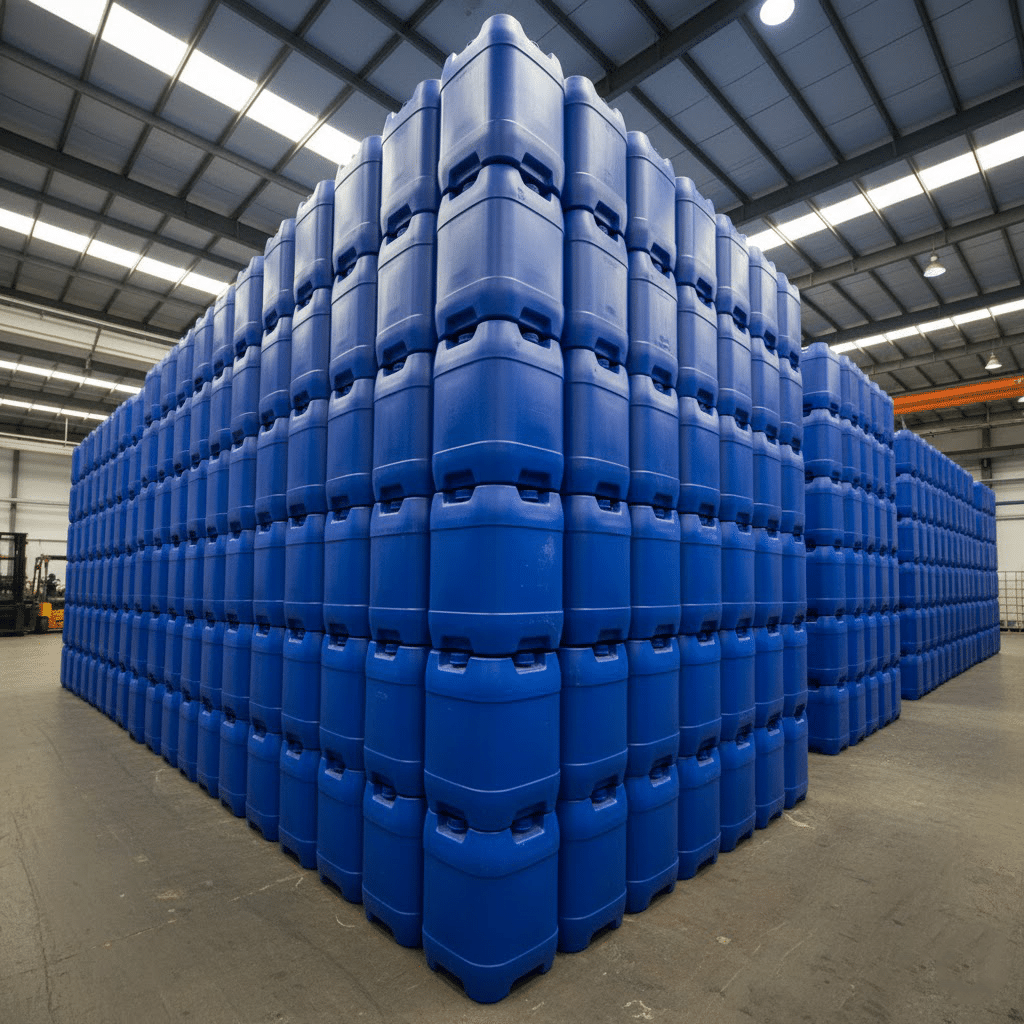
Extrusion blow molded stackable jerrycans from lekamachine used for industrial liquid and chemical packaging.
7. Engine Oil and Automotive Fluid Bottles
Cars need oil, brake fluid, and coolant. These bottles are purely functional and almost never change shape once the production line is set.
- Design Checklist: Brands often use embossing or engraving on the mold to prevent counterfeiting. They must survive drop tests without bursting.
- Machine Profile: A medium-sized EBM machine (up to 5L) is standard.
8. Stackable Jerrycans (5L – 30L)
This is a massive category for industrial logistics. Stackable jerrycans are used for everything from food ingredients to hazardous chemicals.
- Quality Checklist: The bottom container on a pallet has to support a lot of weight. The bottom and top of the cans must interlock perfectly for safe stacking.
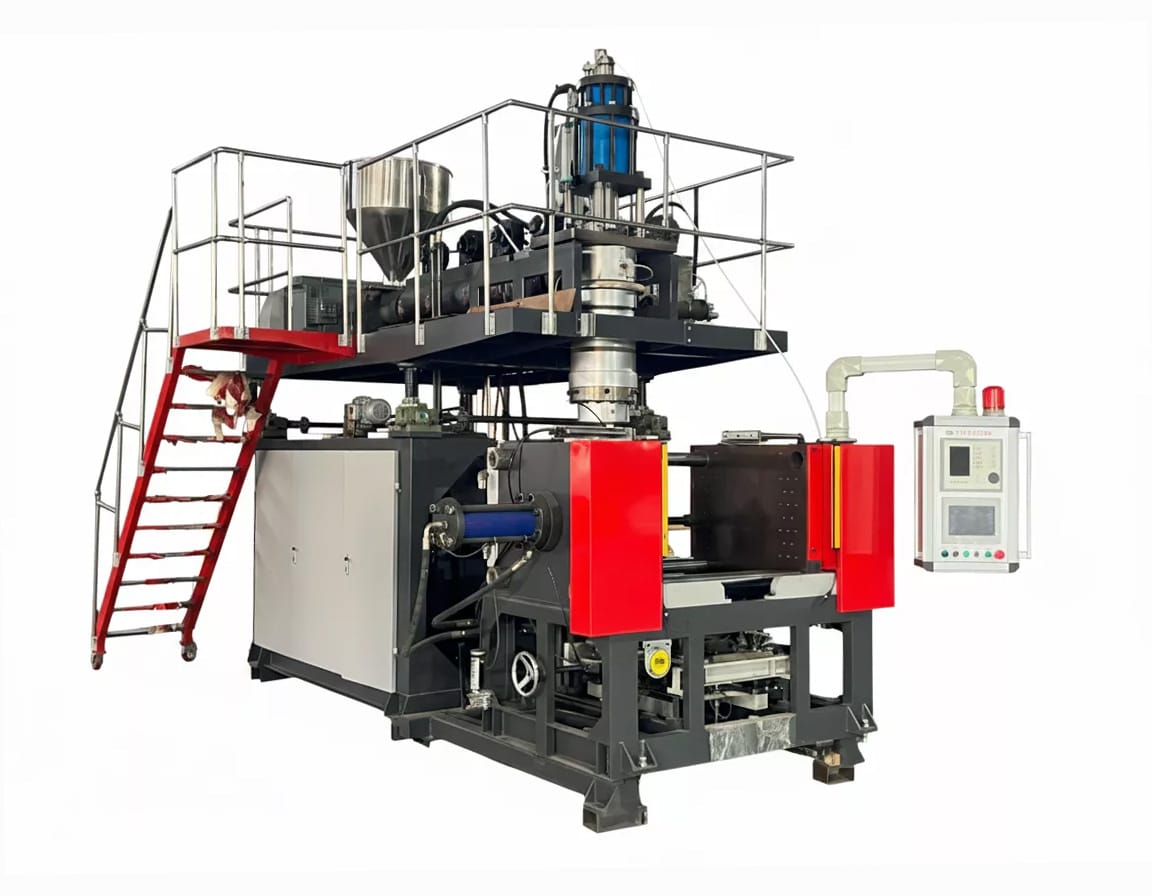
- EBM Configuration: You need a machine with serious clamping force and parison control. The FORMA H30L, for example, is designed for containers up to 30L, offering the stability required for these heavy-weight products.
9. Agricultural Chemicals and Fertilizer Bottles
These bottles rarely change because registering a new package design with government agencies is expensive and slow. Once you are in, you are in for the long haul.
- Regulatory Needs: Barrier layers (co-ex) are often legally required to stop the chemical from evaporating.
- Machine-Side Notes: You need excellent parison programming to ensure the corners are thick enough to pass strict drop tests.
10. Industrial Cleaners and Sanitizer Jugs
Think of the big 4L or 5L jugs used in hospitals and factories. 100% inline leak testing is non-negotiable here.
Turning This List into a Plan
Now that you have the list, look at your factory floor. Map each bottle type to your current machines. Are there gaps?
Maybe your customers are buying jerrycans from a competitor because your current machine can’t handle the shot weight.
When does a bottle justify a machine upgrade?
- Volumen: Your customer wants more than you can supply in a standard shift.
- Scrap Rate: Your old machine is inconsistent, and you are grinding up too many bad bottles.
- Energía: You are spending too much electricity per kilogram of plástico procesado.
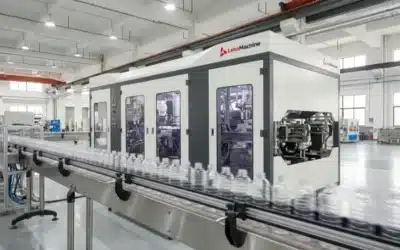
Máquinas modernas, como nuestras Serie FORMA, offer better energy efficiency and faster cycle times. Moving from an old continuous extrusion machine to a modern one with better parison control can save you raw material costs immediately.
Next Steps for Your Factory
Pick 3-5 bottle types from this list that match your local market demand. Audit your gear—do you need a new mold, or a new machine?
If you are looking at 5L to 30L containers, check the specs on the FORMA M or H series to see if they fit your needs.
Would you like me to help you analyze the cycle time and output potential for a specific bottle type on a FORMA machine?


0 Comentarios