
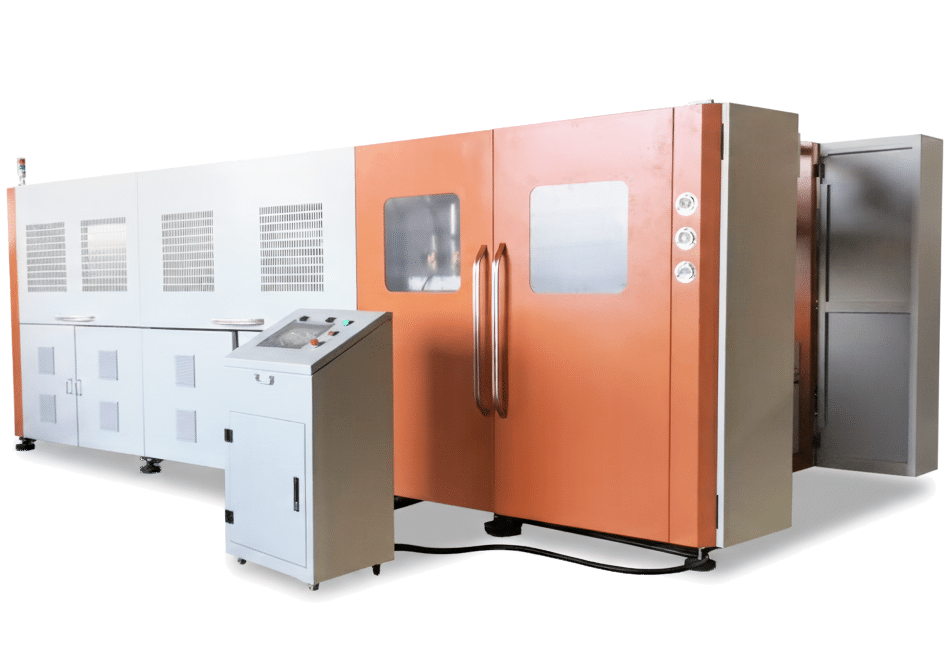
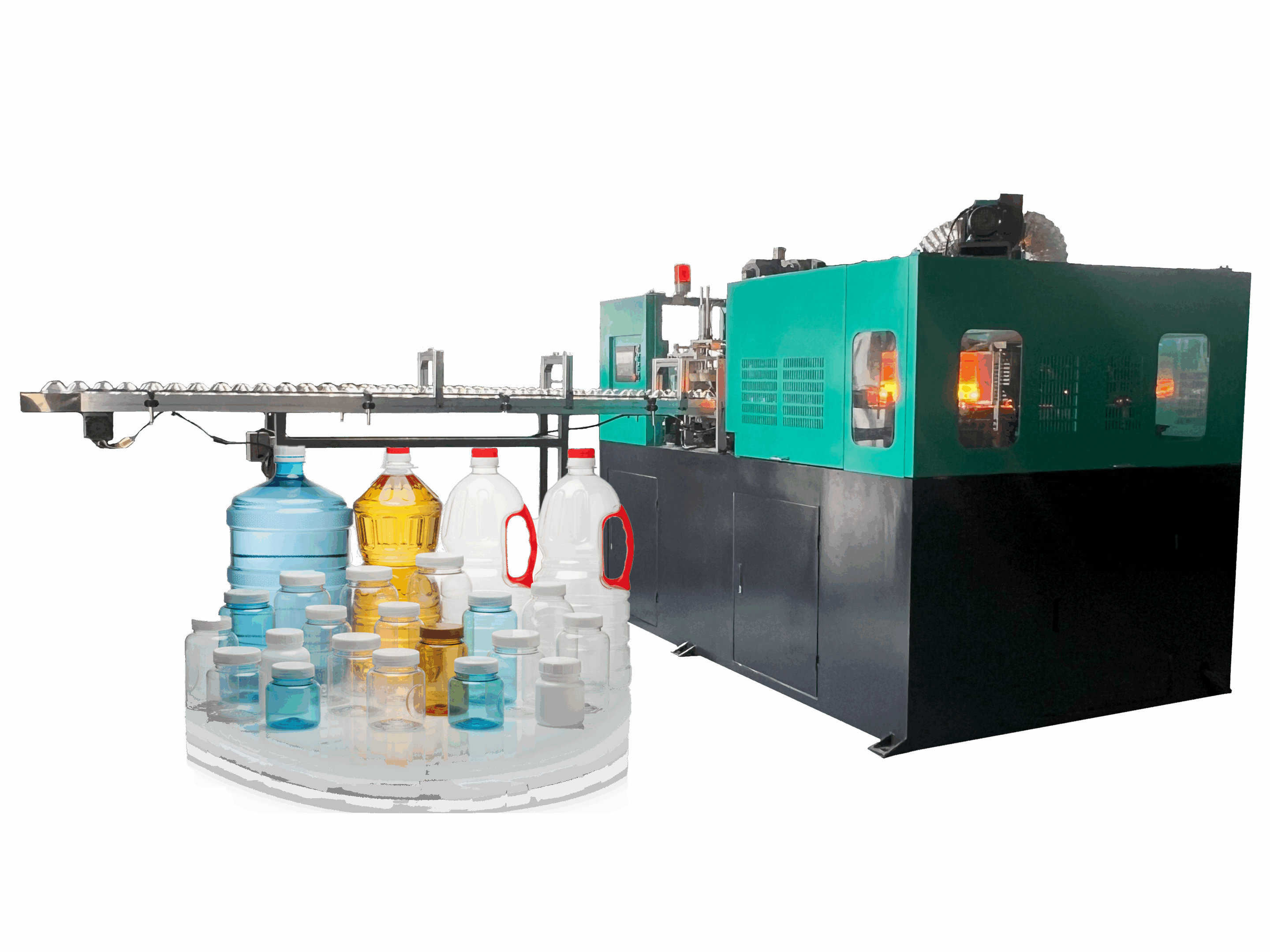
Introduction
Every gram counts when it comes to PET packaging—but cutting weight shouldn’t mean sacrificing durability or brand appeal. From rising material costs to sustainability pressures, manufacturers face a tough balancing act: how to reduce container weight while maintaining structural integrity and consumer trust.
Strategic PET lightweighting solves this challenge by combining advanced materials with precision engineering. This guide explores proven techniques—from optimized mold designs to high-performance PET blends—that deliver lighter containers without compromising quality. Whether you’re tackling cost reduction, sustainability goals, or supply chain efficiency, these solutions help you stay competitive in today’s packaging landscape.
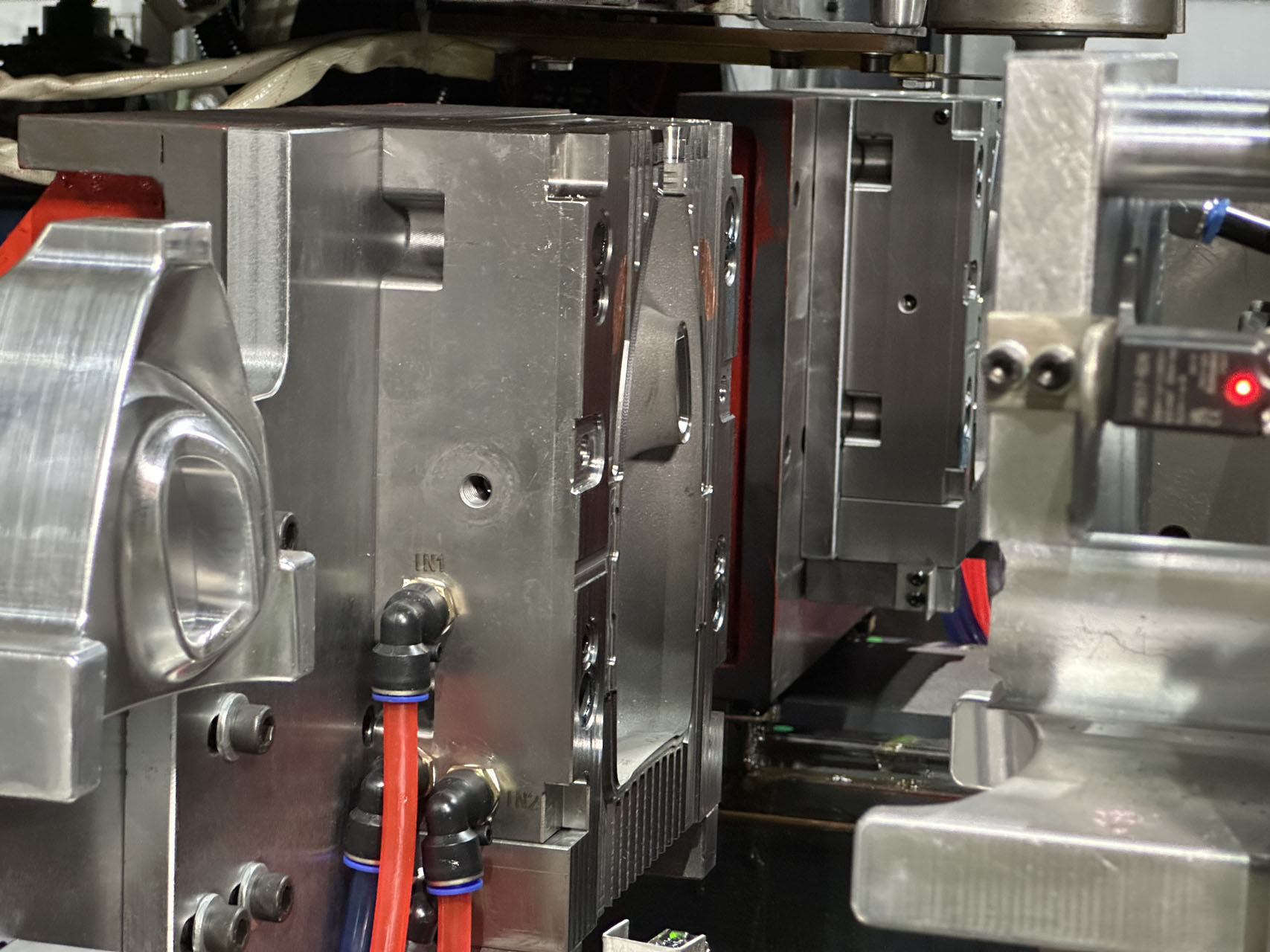
Introduction to PET Lightweighting: Balancing Weight and Quality
“PET lightweighting is a strategic approach to reducing material use in packaging while maintaining structural integrity, offering both cost savings and environmental benefits.”
The demand for lightweight PET packaging has surged as industries seek sustainable and cost-effective solutions. PET lightweighting involves reducing the weight of plastic containers without compromising their functionality or durability. This balance is crucial for brands aiming to meet consumer expectations while adhering to environmental regulations.
One of the key challenges in PET lightweighting is ensuring that thinner walls or reduced material do not affect the container’s strength or shelf appeal. Innovations in design and material science have made it possible to achieve significant weight reductions—sometimes up to 30%—while maintaining performance. For businesses, this translates to lower shipping costs and a smaller carbon footprint.
Sustainable packaging is no longer just a trend; it’s a necessity. Lightweight PET containers help companies align with global sustainability goals by reducing plastic waste and energy consumption during production. Additionally, brands can leverage these improvements in their marketing to appeal to eco-conscious consumers.
Key Benefits of PET Lightweighting
| Benefit | Impact | Industry Benchmark | Lekamachine Solution | Notes |
|---|---|---|---|---|
| Cost Savings | Reduced material use lowers production costs | 15-30% savings | Precision molding technology | Material distribution optimization minimizes waste |
| Sustainability | Lower carbon footprint and less plastic waste | 20% reduction in CO2 emissions | Energy-efficient machine designs | Meets EU and FDA sustainability standards |
| Efficiency | Faster production cycles with consistent quality | 10-25% faster output | Automated blow molding systems | Real-time monitoring ensures uniformity |
| Brand Integrity | Maintains premium look and feel | No visible quality loss | Advanced surface finishing options | Custom molds preserve design aesthetics |
| Regulatory Compliance | Meets safety and performance standards | Full FDA/ISO certification | Rigorous testing protocols | Documentation support for audits |
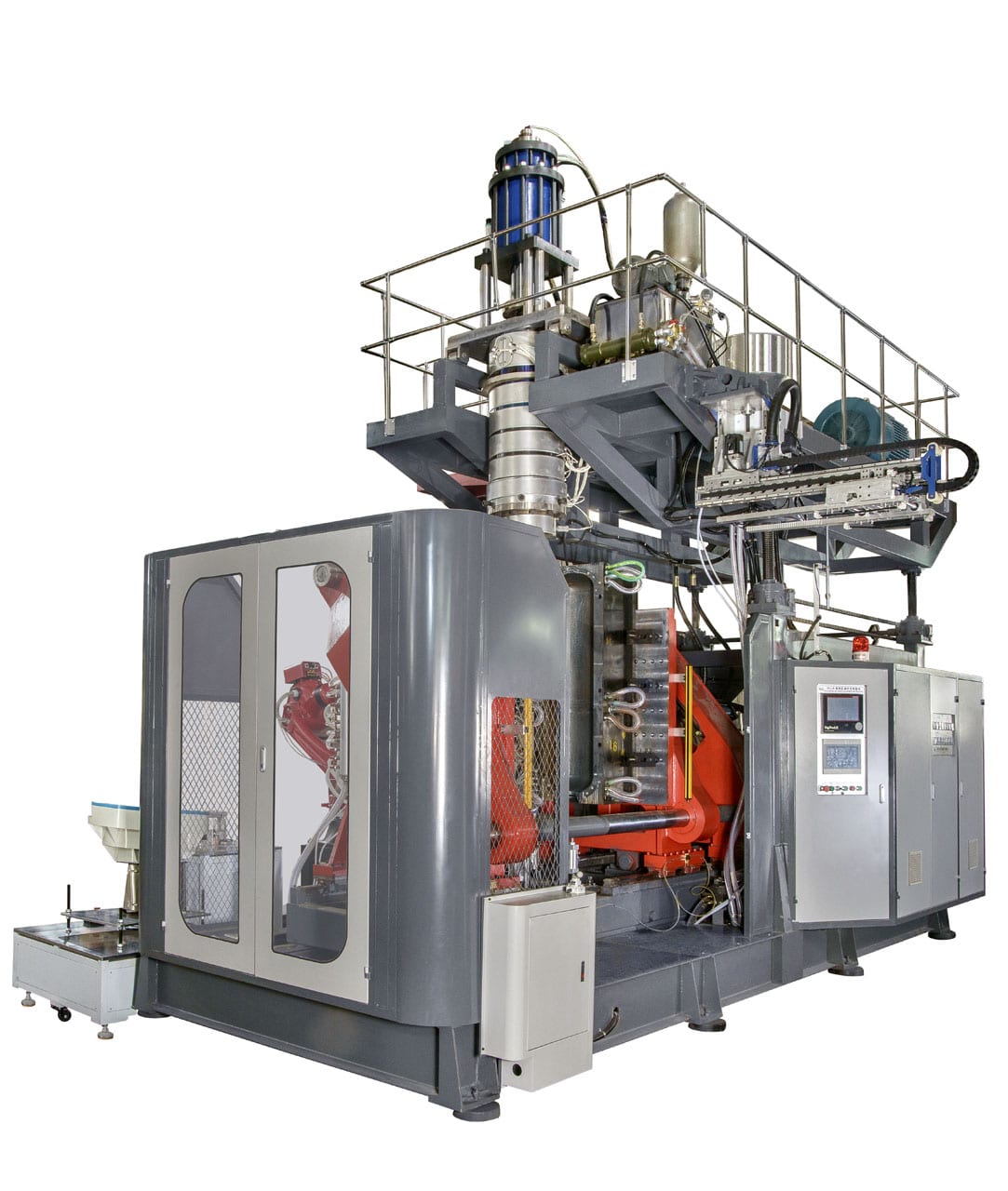
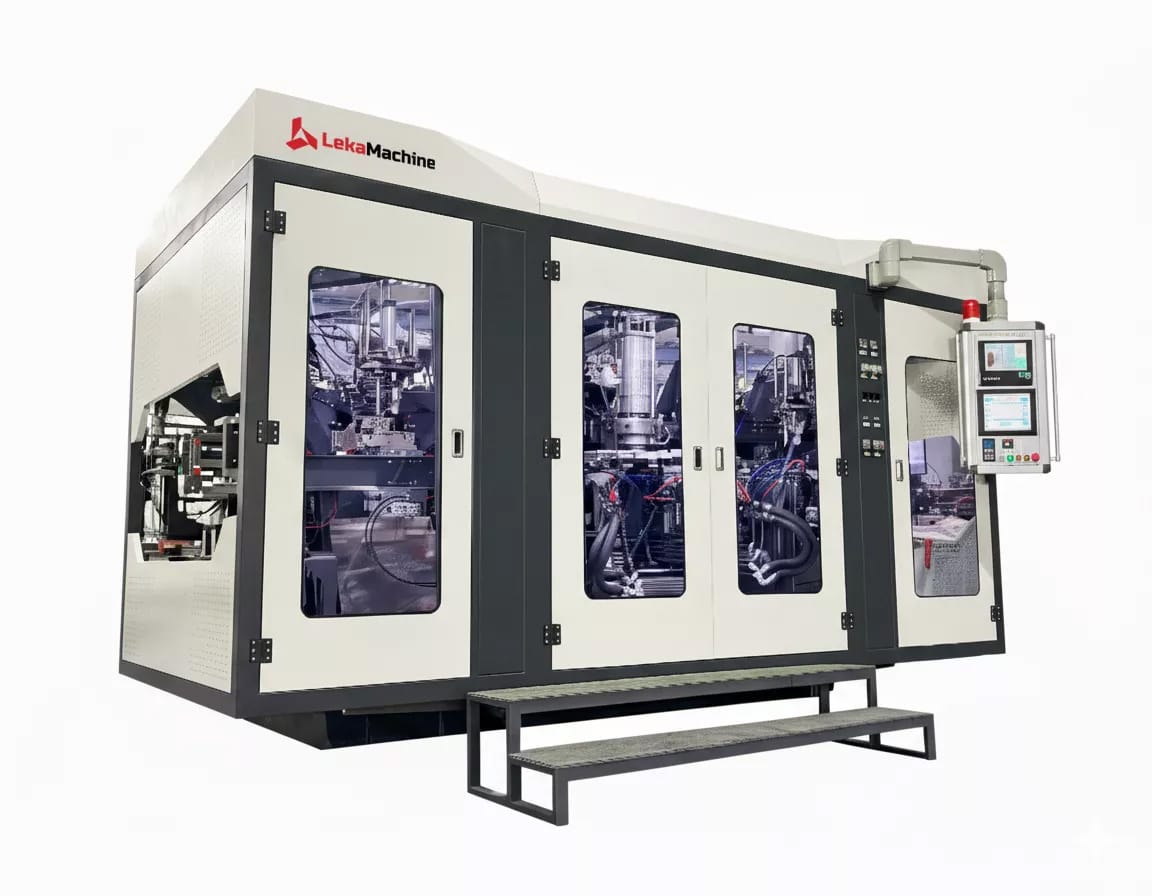
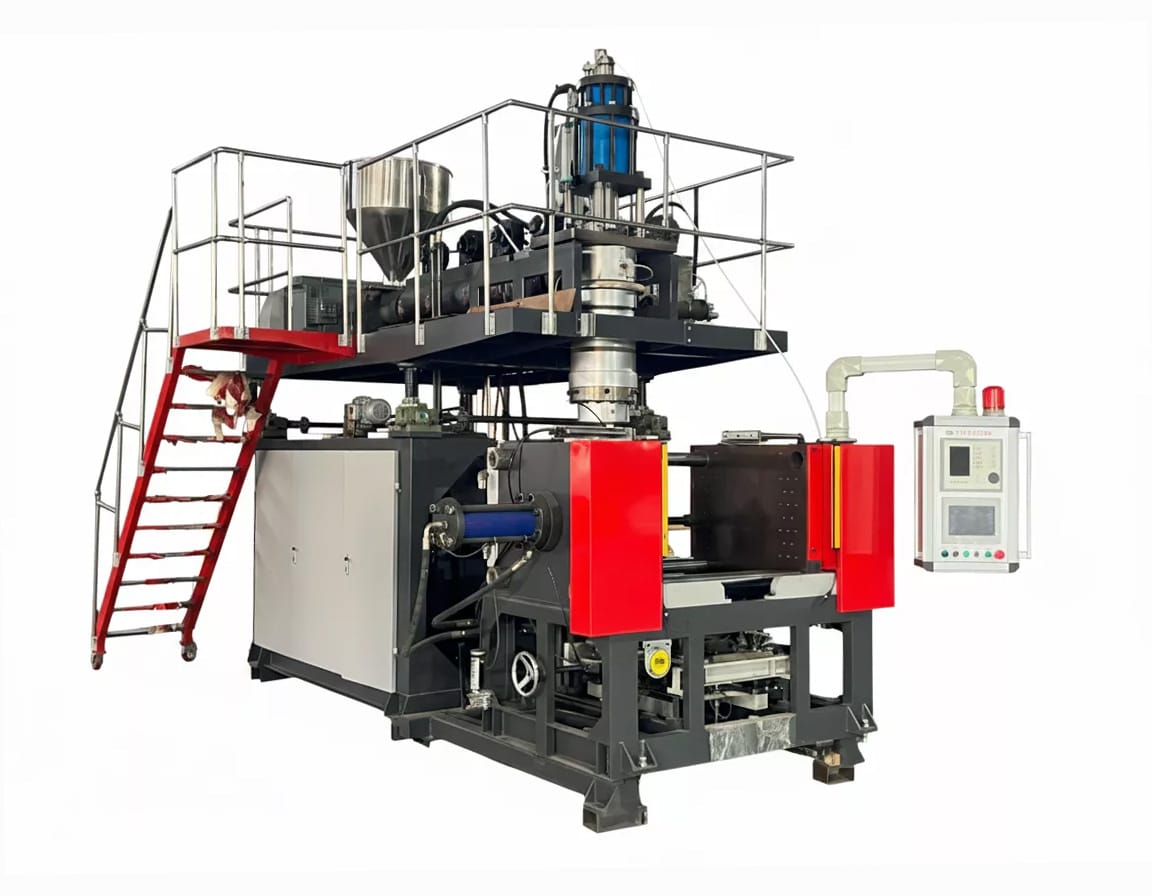
At Lekamachine, we understand how to lightweight PET containers effectively. Our ride-or-die approach combines engineering expertise with material innovation to help clients achieve their weight reduction targets. From cosmetic bottles to pharmaceutical packaging, our machines ensure that lightweighting doesn’t mean compromising on quality or brand value.
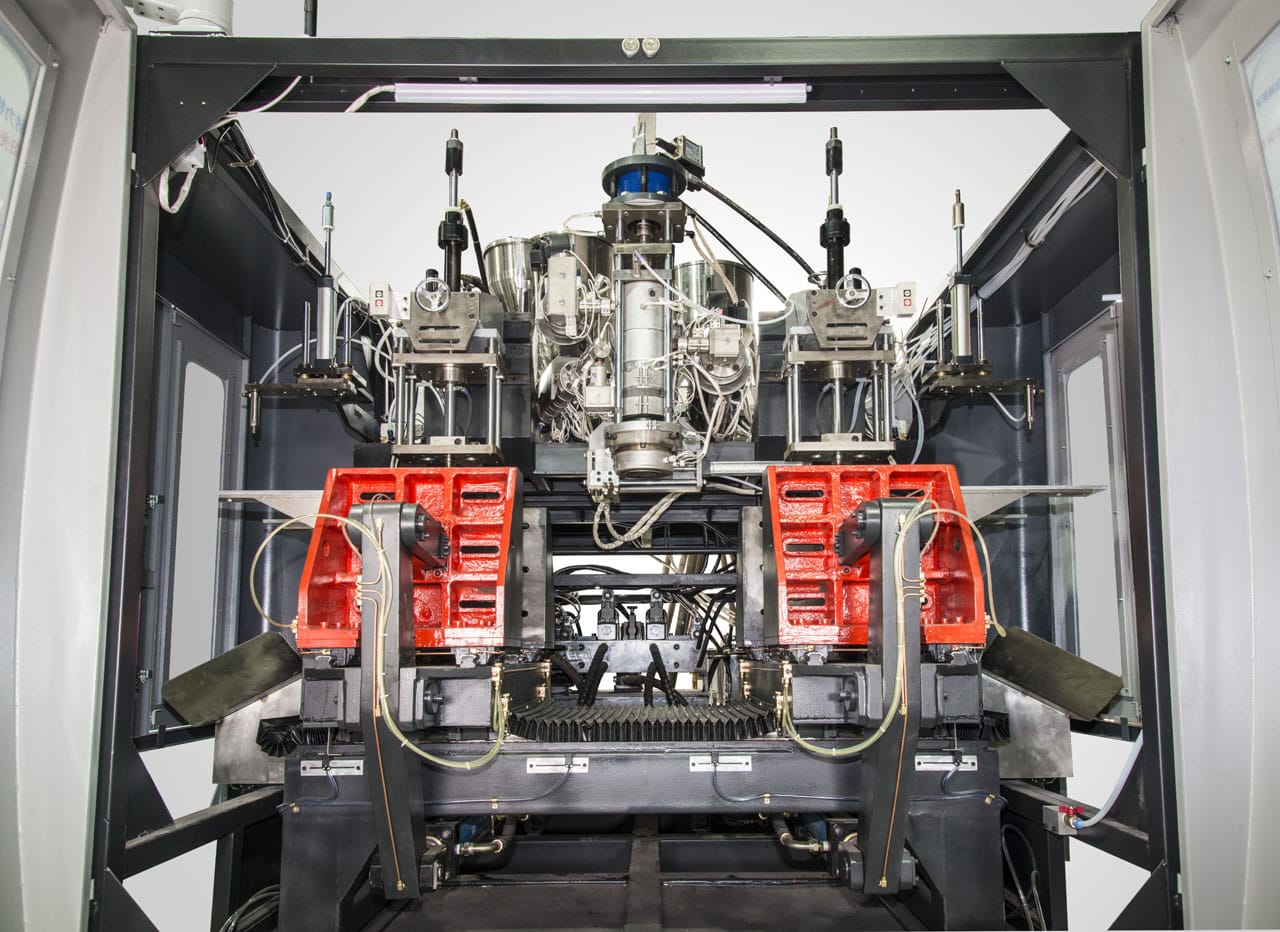
Material Innovations for Lightweight PET Containers
“Advanced PET blends and additives are revolutionizing lightweight packaging, enabling significant material reduction while maintaining critical performance characteristics.”
The quest for the best materials for lightweight PET containers has led to breakthroughs in polymer science. High-performance PET blends now incorporate specialized additives that enhance structural integrity while allowing up to 30% weight reduction. These innovative packaging materials maintain the clarity, barrier properties, and durability that brands require for premium packaging.
PET lightweighting success stories often feature nano-composite additives that reinforce thinner walls without compromising impact resistance. Case studies from leading beverage companies demonstrate how these advanced formulations achieve cost-effective PET design while meeting rigorous drop-test standards. The key lies in precise material engineering that compensates for reduced wall thickness.
Advanced Materials for PET Lightweighting
| Material Innovation | Key Benefit | Weight Reduction Potential | Industry Application | Lekamachine Compatibility |
|---|---|---|---|---|
| Nano-composite PET | Enhanced stiffness and impact resistance | 25-30% | Beverage, Pharmaceutical | Full process optimization |
| Oxygen-scavenging blends | Extended shelf life with thinner walls | 20-25% | Food packaging | Custom barrier solutions |
| Recycled PET hybrids | Sustainability with performance | 15-20% | Cosmetics, Household | rPET processing expertise |
| Nucleating agents | Faster crystallization for cycle time reduction | 10-15% | Industrial containers | Precision temperature control |
| Multi-layer structures | Targeted performance where needed | 18-22% | Pharmaceutical, Specialty | Co-extrusion capabilities |
Lekamachine’s collaboration with leading material scientists has yielded game-changing solutions for brands pursuing PET lightweighting. Our machines are specifically calibrated to handle these advanced materials, ensuring consistent quality across production runs. From high-clarity cosmetic bottles to durable industrial containers, we help clients achieve their sustainability goals without sacrificing performance.

Design Strategies for Lightweight PET Packaging
“Strategic design optimization enables PET lightweighting without compromising functionality, achieving up to 30% material reduction while maintaining brand appeal.”
Effective PET packaging solutions begin with intelligent design approaches that reduce weight while preserving structural integrity. Thin-walled geometries with strategic rib reinforcements allow significant material savings while maintaining necessary rigidity. These eco-friendly packaging design techniques are particularly effective when combined with Lekamachine’s precision single-stage stretch blow molding technology.
Ergonomic considerations play a crucial role in lightweight PET container design. Thoughtful shaping ensures comfortable handling despite reduced material, while optimized base designs maintain stability. Our design tips for lightweighting PET packaging emphasize maintaining consumer-friendly features like easy-grip surfaces and reliable cap engagement, even in pared-down designs.
Design Optimization Techniques for PET Lightweighting
| Design Feature | Weight Reduction Impact | Functional Benefit | Industry Application | Lekamachine Implementation |
|---|---|---|---|---|
| Variable wall thickness | 18-22% | Reinforced stress points | Beverage, Pharmaceutical | Precision parison control |
| Structural ribs | 15-20% | Enhanced sidewall rigidity | Cosmetics, Industrial | Advanced mold cooling |
| Optimized base design | 12-15% | Improved stability | Food packaging | Patented base forming |
| Reduced neck finish | 8-10% | Maintains sealing performance | Pharmaceutical | Precision thread forming |
| Integrated handles | 5-8% | Enhanced ergonomics | Industrial, Household | Specialized mold actions |
PET lightweighting through design innovation represents a smart play for brands seeking sustainability without compromise. Lekamachine’s expertise in mold engineering and material distribution ensures uniform wall thickness and consistent quality across production runs. Our machines transform these advanced design concepts into reality, helping clients achieve their environmental and cost-saving objectives.
Cost and Sustainability Benefits of Lightweighting
“PET lightweighting delivers dual advantages: significant cost savings through material reduction and measurable environmental benefits through lower carbon emissions.”
The economic case for lightweight PET containers begins with direct material savings of 15-30% per unit. These sustainable packaging solutions also reduce production costs through faster cycle times and lower energy consumption. Lekamachine’s cost-effective PET design approach helps manufacturers realize these savings while maintaining product integrity.
Transportation efficiencies create additional value, with lighter containers enabling more units per shipment. Industry studies show PET lightweighting can reduce logistics costs by 12-18% while cutting associated carbon emissions by 20-25%. These environmental benefits complement the superior recyclability of PET, creating a compelling lifecycle advantage.
Comprehensive Benefits of PET Lightweighting
| Benefit Category | Economic Impact | Environmental Impact | Quality Consideration | Lekamachine Solution |
|---|---|---|---|---|
| Material Reduction | 15-30% cost savings | Lower resource consumption | Maintained structural integrity | Precision material distribution |
| Production Efficiency | 10-20% faster cycles | Reduced energy use | Consistent wall thickness | Optimized heating systems |
| Transportation | 12-18% lower costs | 20-25% CO2 reduction | Improved pallet efficiency | Space-optimized designs |
| End-of-Life | Higher scrap value | 98% recyclability | Compatible with recycling streams | Pure material formulations |
| Brand Value | Competitive advantage | Sustainability credentials | Premium appearance maintained | Aesthetic surface finishes |
The impact of PET lightweighting on product quality has been thoroughly validated through rigorous testing. Lekamachine’s advanced blow molding technology ensures that reduced weight doesn’t compromise performance, addressing concerns about the real deal behind sustainability claims. Our solutions help brands achieve their economic and environmental objectives while delivering packaging that meets consumer expectations.
Implementing Lightweighting: Best Practices and Case Studies
“Successful PET lightweighting implementations combine material science, design optimization, and rigorous testing to achieve sustainability goals without compromising performance.”
Transitioning to lightweight PET packaging requires a systematic approach. The process begins with material selection, where innovative packaging materials like high-performance PET blends are evaluated. Next comes design optimization using advanced modeling software to ensure structural integrity despite reduced material. Lekamachine’s PET packaging solutions incorporate these best practices through our 12 years of industry expertise.
Testing protocols are critical when implementing how to implement lightweight PET containers. Leading brands like Coca-Cola and Amcor validate their designs through drop tests, top-load measurements, and long-term storage evaluations. These case studies demonstrate that proper implementation can achieve 20-30% weight reduction while maintaining functionality and brand integrity.
Lightweighting Implementation Roadmap
| Implementation Phase | Key Activities | Industry Benchmark | Potential Challenges | Lekamachine Support |
|---|---|---|---|---|
| Feasibility Study | Material selection, weight reduction targets | 15-30% reduction | Performance trade-offs | Material testing lab |
| Design Optimization | Wall thickness analysis, structural reinforcements | 20% faster iterations | Maintaining brand aesthetics | 3D modeling support |
| Prototyping | Small batch production, initial testing | 3-5 prototype cycles | Tooling adjustments | Rapid prototyping |
| Validation | Mechanical testing, shelf-life studies | 100% pass rate | Meeting industry standards | Testing protocols |
| Full Production | Process optimization, quality control | 99.8% yield | Consistency maintenance | Automated QC systems |
PET lightweighting represents more than material savings—it’s a comprehensive approach to sustainable manufacturing. Our case studies show brands achieving serious gains in both cost efficiency and environmental impact. Lekamachine partners with clients through each implementation phase, from initial consultation to full-scale production, ensuring successful transitions to lightweight solutions.
Conclusion
After years in the blow molding industry, I’ve seen firsthand how PET lightweighting isn’t just about trimming grams—it’s a “game-changer” for brands balancing cost, sustainability, and performance. The right blend of material innovation and precision engineering can deliver containers that are lighter, greener, and just as durable as their heavier counterparts.
At Lekamachine, we’ve helped countless clients navigate this shift, proving that smarter packaging doesn’t mean compromising quality. Whether it’s through advanced PET blends or optimized mold designs, the key is a tailored approach that aligns with your production goals and brand values.
If you’re exploring lightweighting, remember: the best solutions don’t just reduce weight—they elevate your entire packaging strategy. Ready to see how far you can push PET’s potential? The numbers (and the planet) will thank you.
FAQ
-
Q1: What is PET lightweighting?
A1: PET lightweighting refers to the process of reducing the thickness and weight of polyethylene terephthalate (PET) bottles and containers while maintaining their functionality. This method is utilized to decrease material costs, enhance sustainability, and improve recycling efficiency.
-
Q2: How does lightweighting impact production costs?
A2: Lightweighting PET containers can significantly lower production costs. By reducing the material usage without compromising structural integrity, manufacturers can achieve cost savings and enhanced profitability.
-
Q3: What are the environmental benefits of PET lightweighting?
A3: Lightweighting PET bottles reduces the overall carbon footprint by minimizing the amount of plastic used, which leads to lower greenhouse gas emissions during production and transportation. It also improves recycling rates by making containers easier to process.
-
Q4: How has Coca-Cola implemented PET lightweighting?
A4: Coca-Cola has redesigned its small PET bottles, reducing their weight from 21 grams to 18.5 grams in a new initiative, aiming to minimize plastic waste and improve sustainability across its product lines.
-
Q5: What role does design play in PET lightweighting?
A5: The design of lightweight PET containers is crucial, as it involves optimizing the shape and material distribution to ensure strength and durability, while minimizing weight. Effective design can lead to significant reductions in material usage.
-
Q6: Are consumers accepting of lightweighted PET packaging?
A6: Yes, consumer research indicates a positive perception of lightweighted PET bottles. When marketed with an emphasis on environmental benefits, consumers are more likely to support the use of such sustainable packaging options.
-
Q7: What challenges are associated with PET lightweighting?
A7: Challenges include ensuring the containers’ structural integrity and shelf life while reducing weight. Lightweighted PET must also perform adequately throughout the supply chain, from production to the end-user.
-
Q8: How does lightweighting affect recycling processes?
A8: Lightweighting PET containers can enhance recycling efficiencies by making the bottles easier to handle and process while ensuring that they fit better into existing recycling systems, thereby improving recovery rates.
External Links
- How to Reduce Your Costs with Lightweight Preform Design
- Massive Coke PET Bottle Lightweighting Project is ‘First in Decades’
- PDF on Evaluating the Implications of PET Lightweighting
- Does PET lightweighting really reduce the carbon footprint?
- Amcor Rigid Packaging Lightweights PET Bottle Finish by 50%
- Lightweight Bottle: Reducing PET Containers Weight and the Lifecycle
- KHS Develops Extremely Light PET Bottles
- Coca-Cola’s Redesign of Small PET Bottles Pushes Lightweighting Below Prior ‘Floor’


0 Comments