


Introduction
Choosing the wrong blow molding supplier can cost manufacturers thousands in wasted materials, production delays, and compliance headaches. Whether you’re packaging pharmaceuticals requiring sterile precision or cosmetics demanding flawless aesthetics, your supplier’s expertise directly impacts product quality and operational efficiency.
With over two decades in the industry, we’ve seen how niche specialization separates ride-or-die partners from generic vendors. This guide breaks down the seven critical factors—from industry-specific certifications to scalable production capabilities—that ensure you select a supplier capable of meeting your exact standards.

Understanding Blow Molding Fundamentals
“Blow molding is a versatile manufacturing process used to create hollow plastic parts, with applications ranging from medical devices to automotive components, making the choice of a reliable blow molding supplier critical for quality and efficiency.
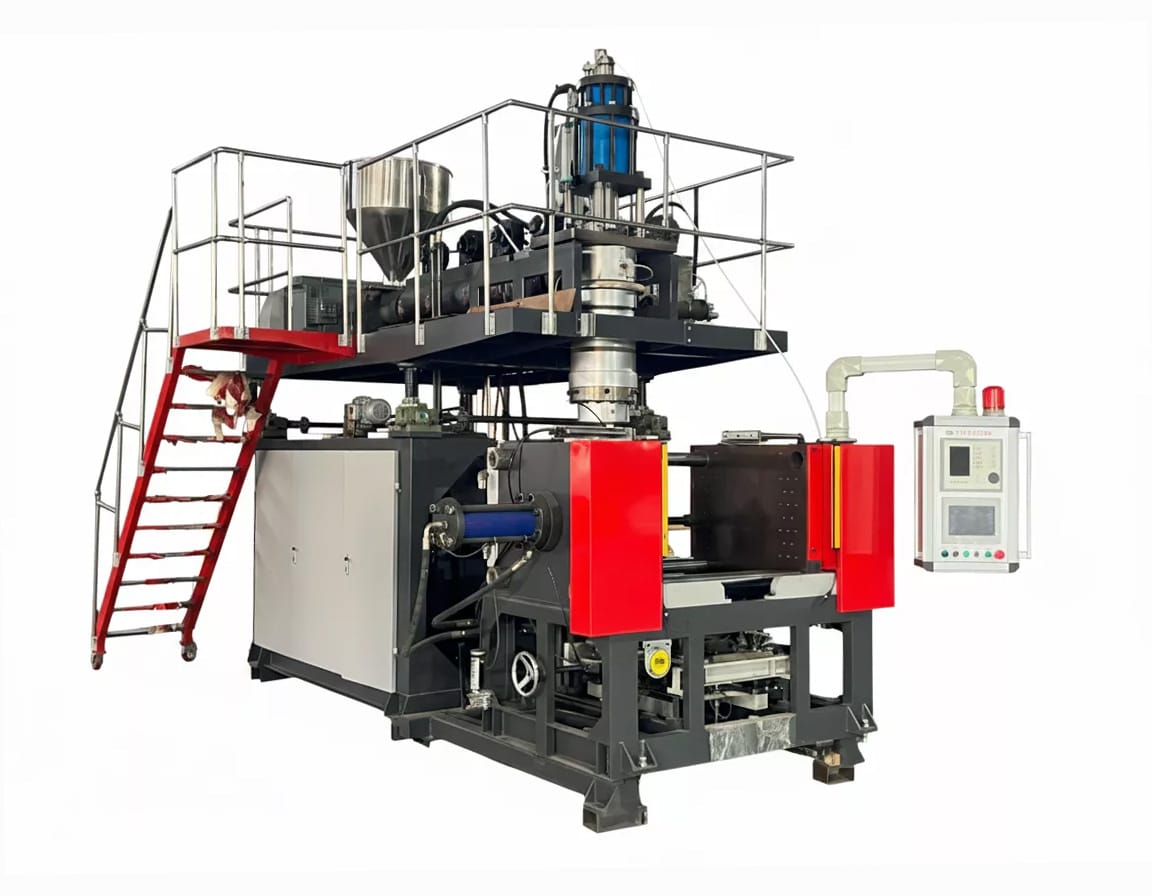
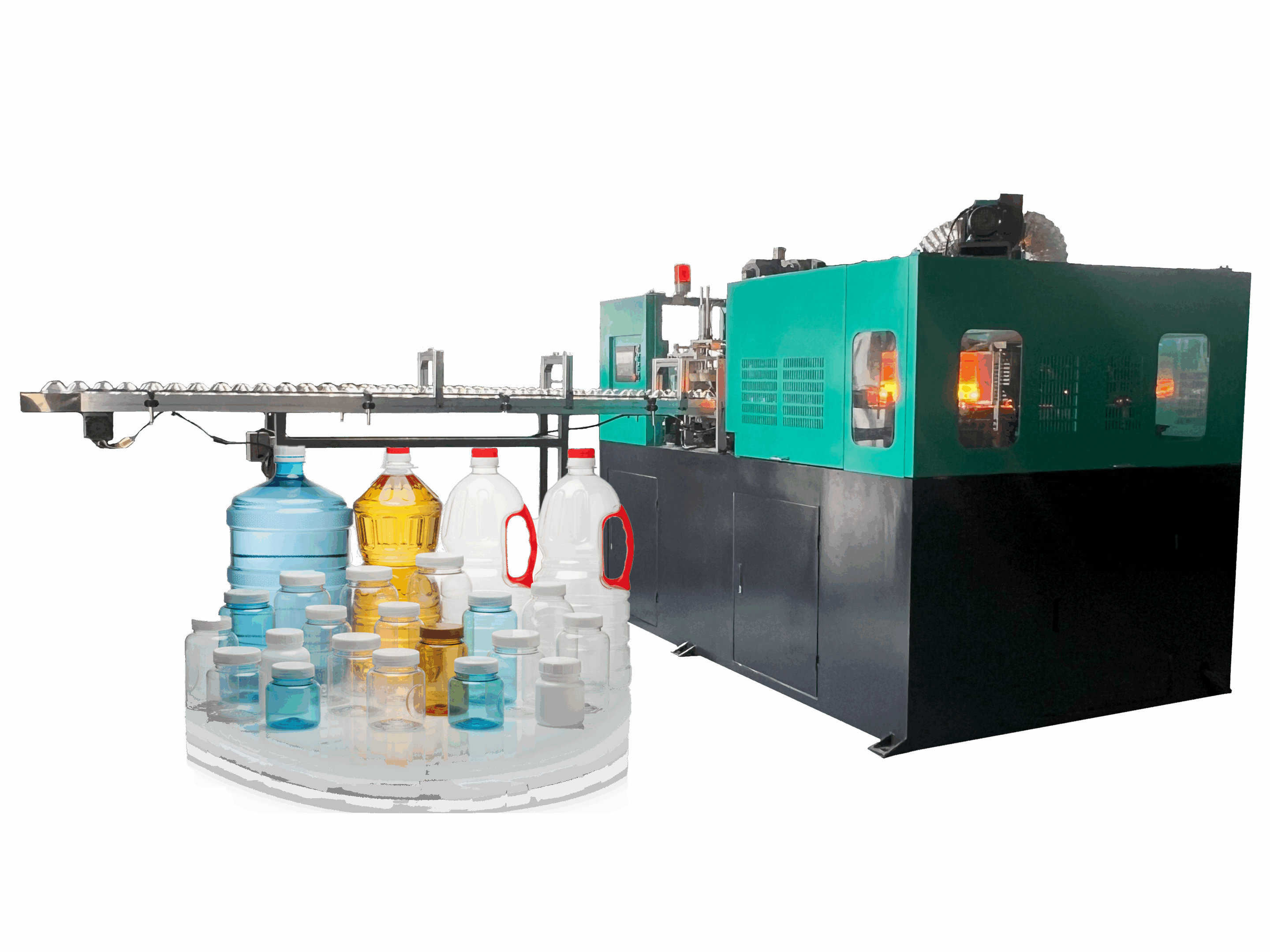
Blow molding is a manufacturing process that shapes hollow plastic parts by inflating heated plastic into a mold. It’s widely used across industries like medical, automotive, and consumer goods. There are three main types: extrusion blow molding, injection blow molding, and stretch blow molding. Each has unique advantages depending on the product requirements.
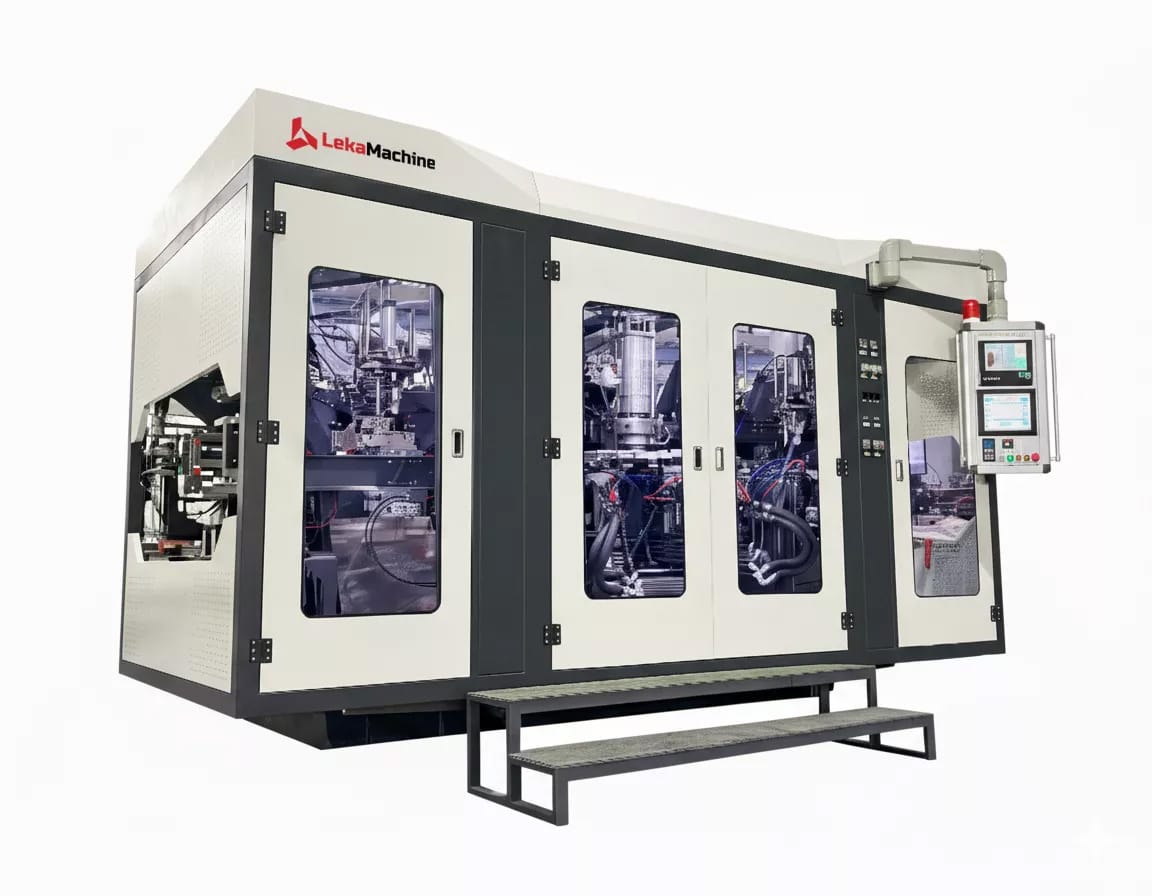
Choosing the right blow molding supplier can make or break your production line. A good supplier doesn’t just provide machines—they offer expertise in material selection, mold design, and process optimization. Lekamachine, for example, specializes in automated solutions tailored for industries like pharmaceuticals and cosmetics, ensuring precision and efficiency.
Blow Molding Process Comparison
| Process Type | Best For | Production Speed | Material Efficiency | Industry Applications |
|---|---|---|---|---|
| Extrusion Blow Molding | Large, hollow containers | Moderate | 85-90% | Industrial packaging, automotive |
| Injection Blow Molding | Small, precise bottles | High | 92-95% | Pharmaceuticals, cosmetics |
| Stretch Blow Molding | PET containers | Very High | 90-93% | Beverage, food packaging |
| Single-Stage (Lekamachine) | High-precision needs | Extremely High | 95-98% | Medical, premium cosmetics |
| Industry Standard | General production | High | 88-92% | Multi-industry |
When evaluating blow molding manufacturers, consider their experience with your specific industry. Medical-grade production requires different standards than automotive parts. Custom blow molding services should offer not just equipment but also material guidance and post-sale support. Lekamachine’s ride-or-die approach includes full training and maintenance, crucial for minimizing downtime.
Understanding how does blow molding work in manufacturing helps in selecting the right partner. Look for suppliers with strong R&D capabilities, as material science and automation are constantly evolving. The best blow molding suppliers will have case studies showcasing their problem-solving abilities across different applications.

Evaluating Supplier Expertise and Industry Experience
“Choosing a blow molding supplier with specialized industry experience and proper certifications ensures product quality and regulatory compliance, particularly in sensitive sectors like pharmaceuticals.”
When selecting a blow molding supplier, industry specialization should be your first consideration. Medical packaging requires different standards than consumer goods, with stricter regulations and quality controls. A supplier experienced in pharmaceutical applications, like Lekamachine with its 12+ years in the field, will understand these nuances better than a generalist provider.
Key Certifications for Blow Molding Suppliers
| Certification | Purpose | Critical For | Verification Method | Industry Benchmark |
|---|---|---|---|---|
| ISO 13485 | Medical device quality management | Pharmaceutical packaging | Audit reports | Global standard |
| FDA CFR 21 | Food/medical material safety | US market products | Compliance documentation | Required for US sales |
| ISO 9001 | Quality management systems | All industries | Certificate validity | Basic requirement |
| CE Marking | EU safety standards | European markets | Technical file review | EU compliance |
| GMP Certification | Good Manufacturing Practices | Medical/pharma | Site inspection | Industry best practice |
Technical staff qualifications are equally important when evaluating industry-specific blow molding capabilities. Ask about the engineering team’s credentials and ongoing training programs. Suppliers with strong R&D departments can offer innovative solutions to complex production challenges, particularly in specialized sectors.
Quality assurance in blow molding goes beyond basic certifications. Look for suppliers with documented processes for material traceability, change control, and validation protocols. These systems become critical when answering what certifications should a blow molding supplier have for regulated industries.
When assessing potential partners, request case studies demonstrating their experience with similar projects. A reliable blow molding supplier should provide references from clients in your specific industry, showing their ability to meet specialized requirements consistently.

Assessing Production Capabilities and Technology
“Evaluating a blow molding supplier’s production capabilities and technological infrastructure is crucial for ensuring they can meet your specific manufacturing requirements and future growth needs.”
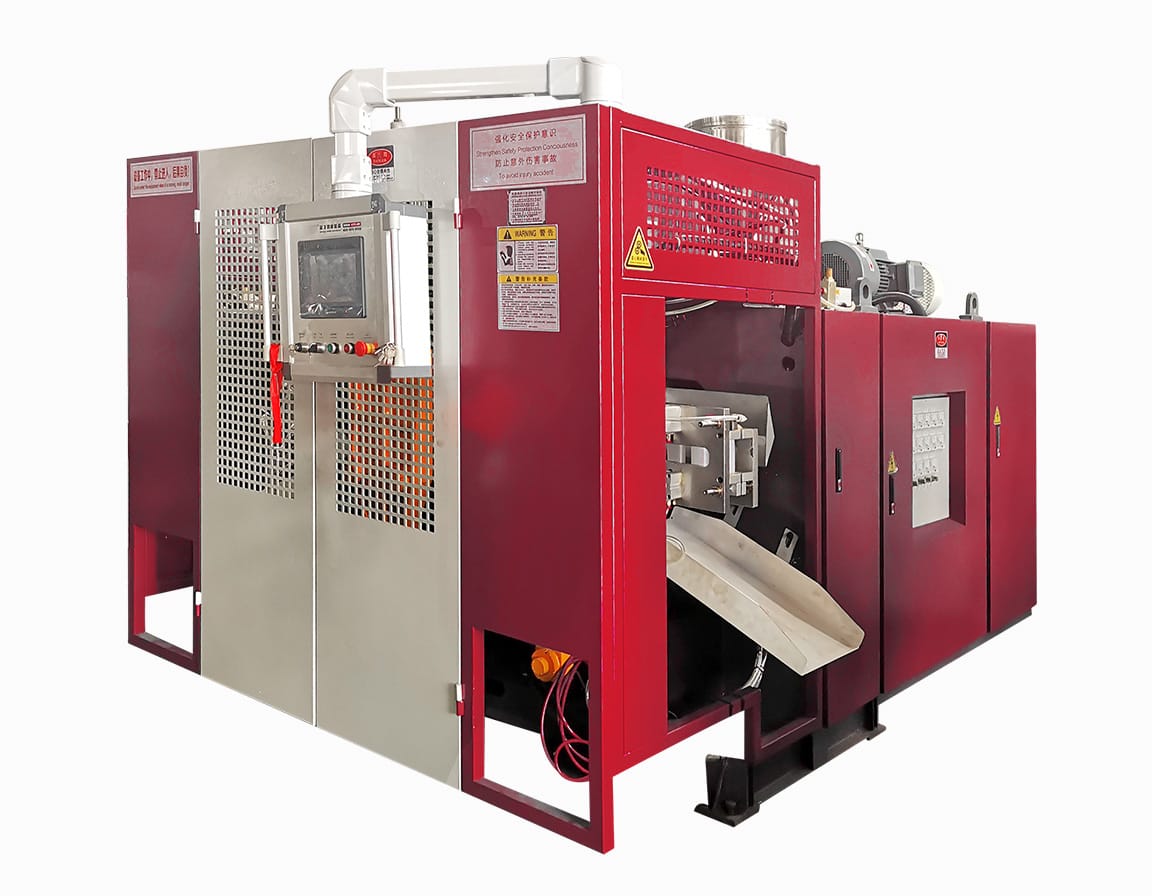
Understanding the different types of blow molding machines is essential when assessing potential suppliers. Single-stage machines offer precision for complex designs, while extrusion machines excel at high-volume production. Reliable blow molding vendors should clearly explain which technology best suits your product requirements and production goals.
Blow Molding Equipment Capabilities Comparison
| Machine Type | Production Speed | Precision Level | Customization Options | Best For |
|---|---|---|---|---|
| Single-Stage | Medium | High | Complex designs | Pharmaceuticals/Cosmetics |
| Extrusion | High | Medium | Size variations | Industrial packaging |
| Multi-Station | Very High | High | Multiple designs | High-volume production |
| Injection | Medium-High | Very High | Precision necks | Beverage containers |
| Industry Standard | High | High | Limited | General production |
When evaluating blow molding capabilities, automation levels directly impact production efficiency and consistency. Ask potential suppliers about their machine’s automation features, including robotic part handling and quality inspection systems. These questions to ask about blow molding equipment will help determine if a supplier can meet your quality and output requirements.
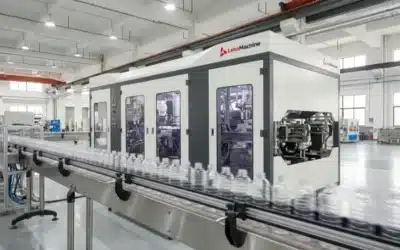
Custom mold development is another critical factor. A capable blow molding supplier should have in-house mold design and manufacturing expertise, reducing lead times and ensuring perfect compatibility with their machines. Lekamachine’s multi-station extrusion systems demonstrate how advanced technology can handle complex production needs while maintaining precision.
Finally, assess scalability. Your supplier should accommodate fluctuating order volumes without compromising quality. Look for evidence of flexible production lines and quick changeover capabilities, especially if you anticipate seasonal demand variations or product line expansions.
Quality Control and Supply Chain Reliability
“A blow molding supplier’s quality control systems and supply chain resilience directly impact product consistency and delivery reliability, making these factors critical in supplier selection.”
Quality assurance in blow molding begins with rigorous standard operating procedures. Reputable blow molding manufacturers implement multiple checkpoints including dimensional verification, wall thickness testing, and leak detection. These processes ensure every product meets specifications, especially crucial for medical and food packaging applications where safety is paramount.
Quality Control Metrics for Blow Molding Suppliers
| Quality Parameter | Testing Method | Acceptance Criteria | Frequency | Industry Benchmark |
|---|---|---|---|---|
| Dimensional Accuracy | Laser scanning/CMM | ±0.1mm tolerance | Per production run | ±0.15mm |
| Leak Testing | Pressure decay | 0% failure rate | 100% inspection | <0.5% |
| Material Purity | FTIR spectroscopy | 99.9% pure | Per material batch | 99.5% |
| Wall Thickness | Ultrasonic testing | ±5% variation | Every 2 hours | ±8% |
| Visual Defects | Automated vision | 0 critical defects | 100% inspection | <0.1% |
Material traceability systems represent another critical quality component. When evaluating how to verify a blow molding supplier’s quality standards, examine their ability to track raw materials from receipt through production. This becomes particularly important for regulated industries requiring documentation for audits and recalls.
Supply chain considerations extend beyond quality to include logistical advantages. Lekamachine’s regional warehouse network demonstrates how strategic location planning can reduce lead times and improve responsiveness. Evaluate potential suppliers’ contingency plans for raw material shortages, equipment failures, and transportation disruptions to ensure business continuity.
Finally, consider certification breadth. While ISO 9001 represents a baseline, industry-specific certifications like ISO 13485 for medical devices or NSF for food contact materials indicate specialized competence. These credentials often separate adequate suppliers from exceptional partners in quality-critical applications.
Vendor Selection Checklist and Decision Framework
“A systematic evaluation framework helps manufacturers objectively compare blow molding suppliers based on technical capabilities, quality systems, and long-term partnership potential.”
Selecting the right blow molding supplier requires careful evaluation across multiple criteria. Our weighted scoring system assigns importance values to key factors: technology (30%), quality assurance (25%), industry experience (20%), supply chain reliability (15%), and cost-effectiveness (10%). This balanced approach ensures you consider both technical capabilities and business factors when comparing reliable blow molding vendors.
Blow Molding Supplier Evaluation Matrix
| Evaluation Criteria | Weight | Scoring (1-5) | Key Questions | Red Flags |
|---|---|---|---|---|
| Technical Capabilities | 30% | Machine specifications, R&D investment | Can they handle your product complexity? | Limited customization options |
| Quality Systems | 25% | Certifications, testing protocols | What certifications should a blow molding supplier have? | No material traceability |
| Industry Experience | 20% | Case studies, client references | Have they served similar companies? | No niche expertise |
| Supply Chain | 15% | Lead times, contingency plans | How resilient is their supply chain? | Single-source materials |
| Cost Structure | 10% | Total cost of ownership | What hidden costs might exist? | Unusually low bids |
When developing your blow molding supplier evaluation checklist, include specific technical requirements in your RFQ. Key specifications should cover production capacity, tolerance levels, material compatibility, and automation features. Lekamachine’s case studies demonstrate how detailed technical alignment leads to successful long-term partnerships in specialized applications.
Watch for proposal red flags like vague quality commitments, limited warranty terms, or reluctance to provide client references. During negotiations, focus on establishing clear service level agreements (SLAs) for maintenance response times, spare parts availability, and technology upgrade paths. These factors often prove more valuable than initial price concessions when working with criteria for selecting blow molding vendors.
Remember that the cheapest option often becomes the most expensive in the long run. A true partnership with a capable blow molding supplier should deliver consistent quality, technical support, and adaptability to your evolving production needs.

Conclusion
After years in the blow molding industry, I’ve learned one thing: choosing the right supplier isn’t just about specs—it’s about finding a partner who gets your vision. Whether it’s pharmaceutical-grade precision or cosmetic packaging that pops, the right equipment should feel like a “ride-or-die” extension of your team.
From material selection to post-sale support, the best suppliers don’t just deliver machines—they solve problems before they happen. If your current setup feels like a compromise, it might be time to rethink. After all, in packaging, consistency isn’t optional—it’s everything.
FAQ
Q1: What should I look for when choosing a blow molding supplier?
A1: When selecting a blow molding supplier, consider factors like their production capabilities, industry experience, quality assurance practices, responsiveness, and delivery times. It’s crucial to ensure they can meet your specific manufacturing needs.
Q2: How can I evaluate the reliability of a blow molding vendor?
A2: To assess the reliability of a blow molding vendor, check their track record, client testimonials, industry certifications, and their ability to meet deadlines. Communication during the initial discussions can also be a key indicator of their reliability.
Q3: What types of products can be manufactured using blow molding?
A3: Blow molding can be used to create a wide variety of products, including bottles, containers, automotive parts, and other hollow plastic items. The method is favored for its efficiency in producing large quantities.
Q4: Are custom blow molding services more expensive?
A4: Custom blow molding services may have a higher upfront cost due to design and setup, but they can lead to cost savings in production if larger quantities are ordered, making them economical in the long run.
Q5: What materials are typically used in blow molding?
A5: Common materials used in blow molding include high-density polyethylene (HDPE), low-density polyethylene (LDPE), and polypropylene (PP). The choice of material depends on the desired properties of the final product.
Q6: What is the lead time for blow molding production?
A6: Lead times for blow molding production can vary depending on factors like order volume and complexity of the design but typically range from a few weeks to several months.
Q7: How do I ensure quality assurance from my blow molding supplier?
A7: To ensure quality assurance, request the supplier’s quality control processes, certifications, and samples of their work. Regular communication and audits can also help maintain quality standards.
Q8: What questions should I ask a blow molding supplier?
A8: You should ask about their manufacturing capabilities, experience in your industry, lead times, pricing structure, and their approach to quality control and customer service.
External Links
- 15 Blow Molding Machinery Manufacturers in 2025
- Custom Blow Molding: Universal Plastics
- Blow Molding Suppliers – Thomasnet
- Blow Molding Manufacturing – Custom-Pak, Inc.
- Blow Molding Services – Valencia Plastics, Inc.
- Plastics Blow Molding Manufacturer
- Full-Service Technical Blow Molding
- Overview of Blow Molding Process


0 Comments