

Introduction
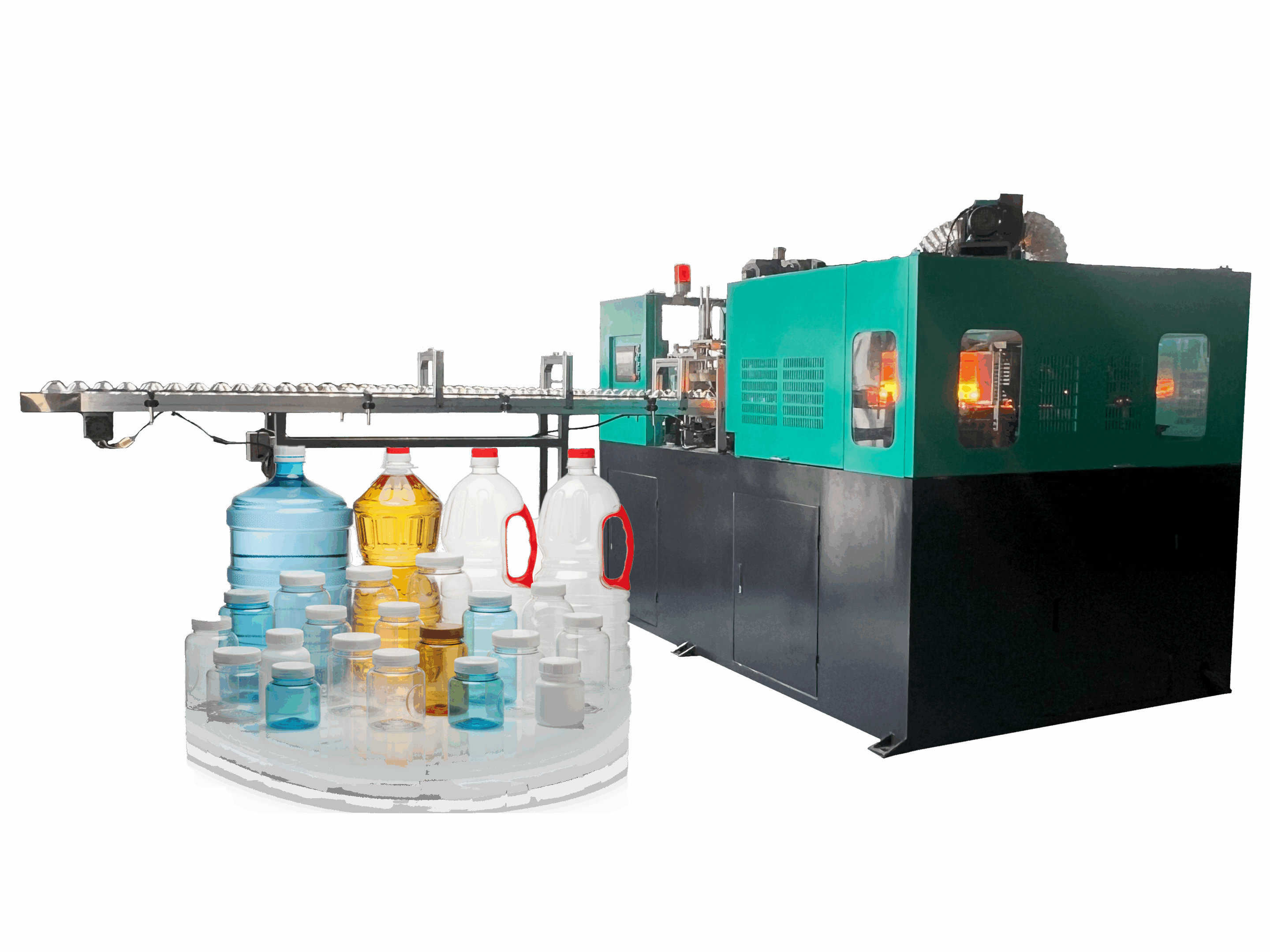
Choosing the wrong blow molding machine can cost manufacturers thousands in wasted materials, production delays, and missed deadlines. With over 60% of packaging defects traced back to improper machine selection, procurement teams face mounting pressure to make the right investment—especially when producing sterile pharmaceutical bottles or high-end cosmetic containers.
This buyer’s guide cuts through the noise, outlining seven critical factors—from machine type selection to post-purchase support—that impact your production efficiency and bottom line. Whether you’re evaluating extrusion blow molding for industrial containers or precision stretch blow molding for PET bottles, these data-backed insights will help you avoid costly mistakes.
Understanding Blow Molding Machine Types and Applications
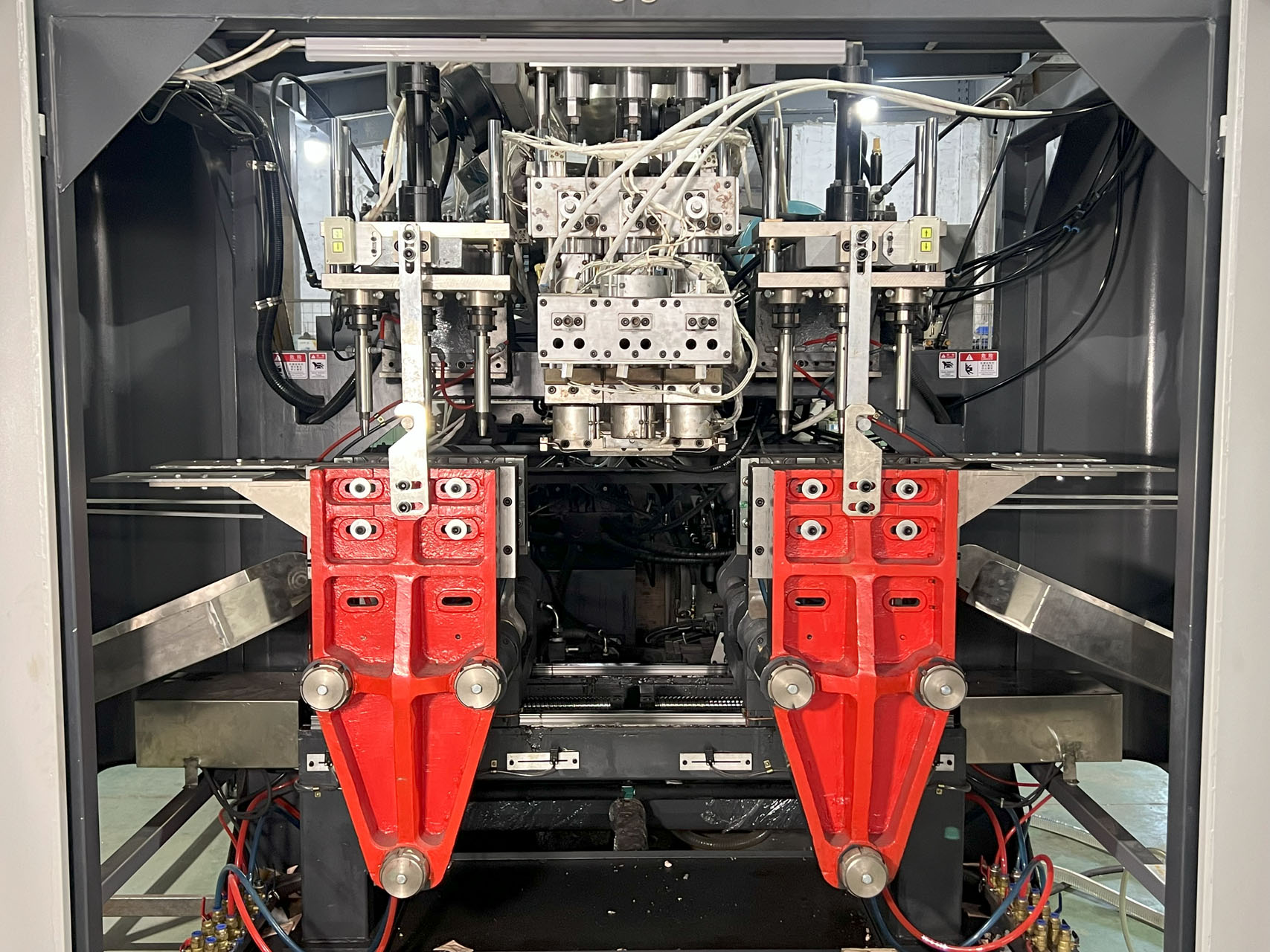
Choosing the right blow molding machine depends on your production needs, material type, and industry standards—matching the right technology can significantly boost efficiency and product quality.
Blow molding machines are essential in plastic manufacturing, shaping materials like PET, PP, and HDPE into containers, bottles, and industrial parts. This blow molding machine buying guide breaks down the core types, their applications, and how to select the best fit for your business.
Extrusion Blow Molding: Versatility for Industrial Containers
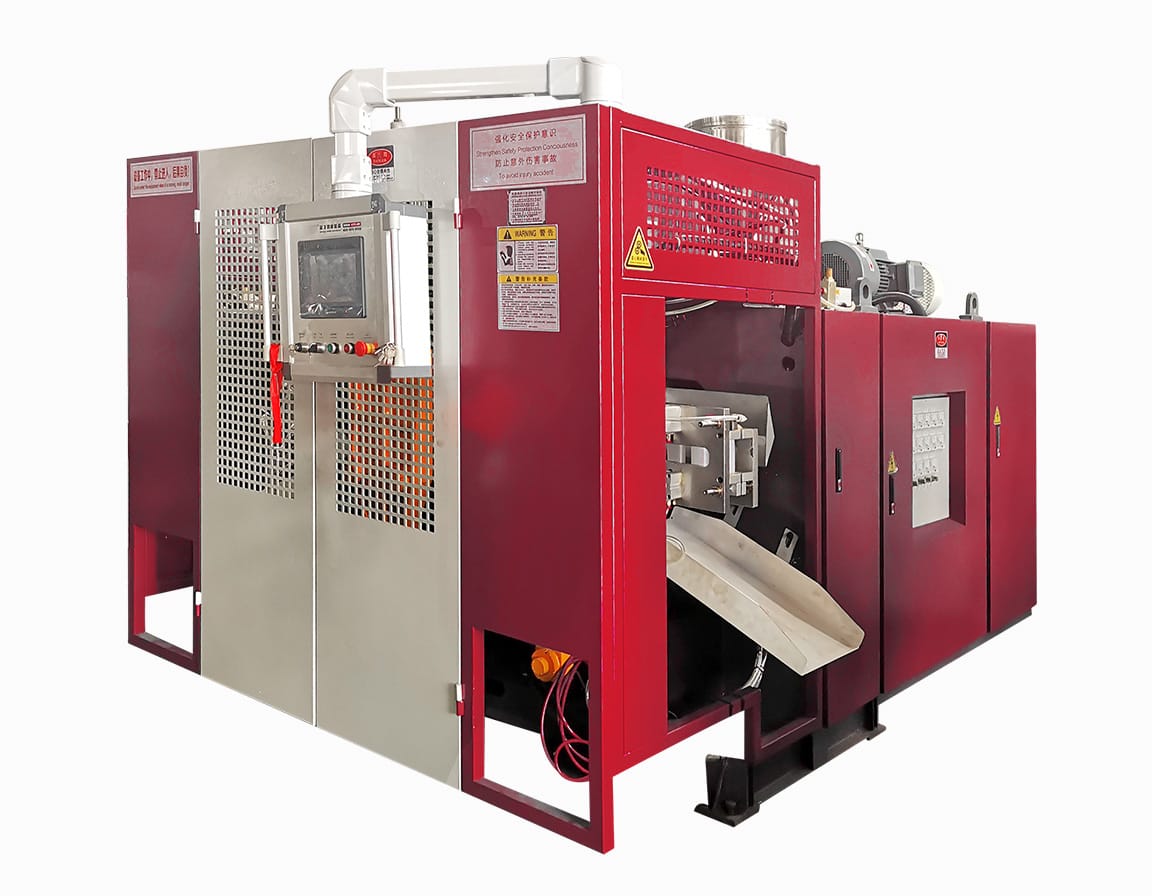
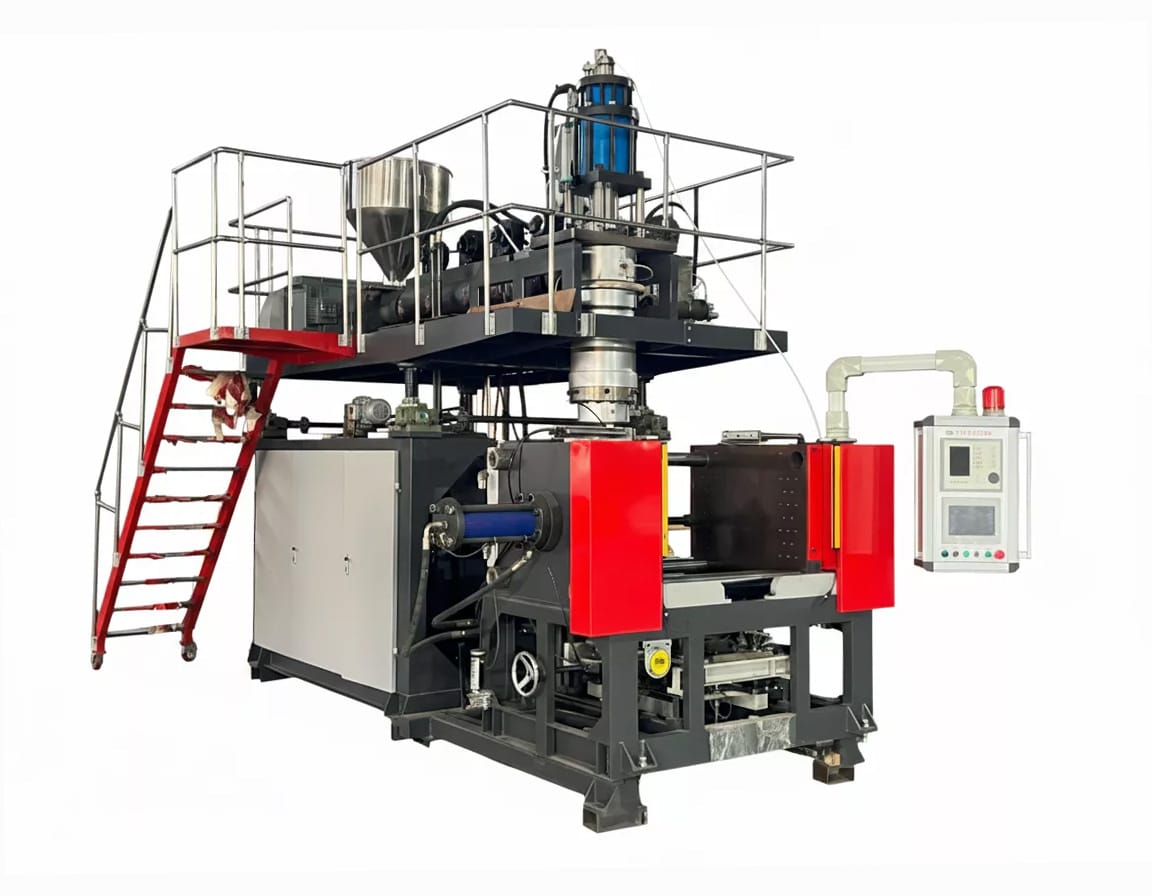
Extrusion blow molding excels in producing large, hollow items like industrial drums, automotive fuel tanks, and bulk containers. It’s a ride-or-die choice for high-volume production due to its ability to handle diverse shapes and sizes. Industries like chemicals and agriculture rely on its cost-effectiveness for sturdy packaging.
Injection Stretch Blow Molding: Precision for Pharma and Cosmetics
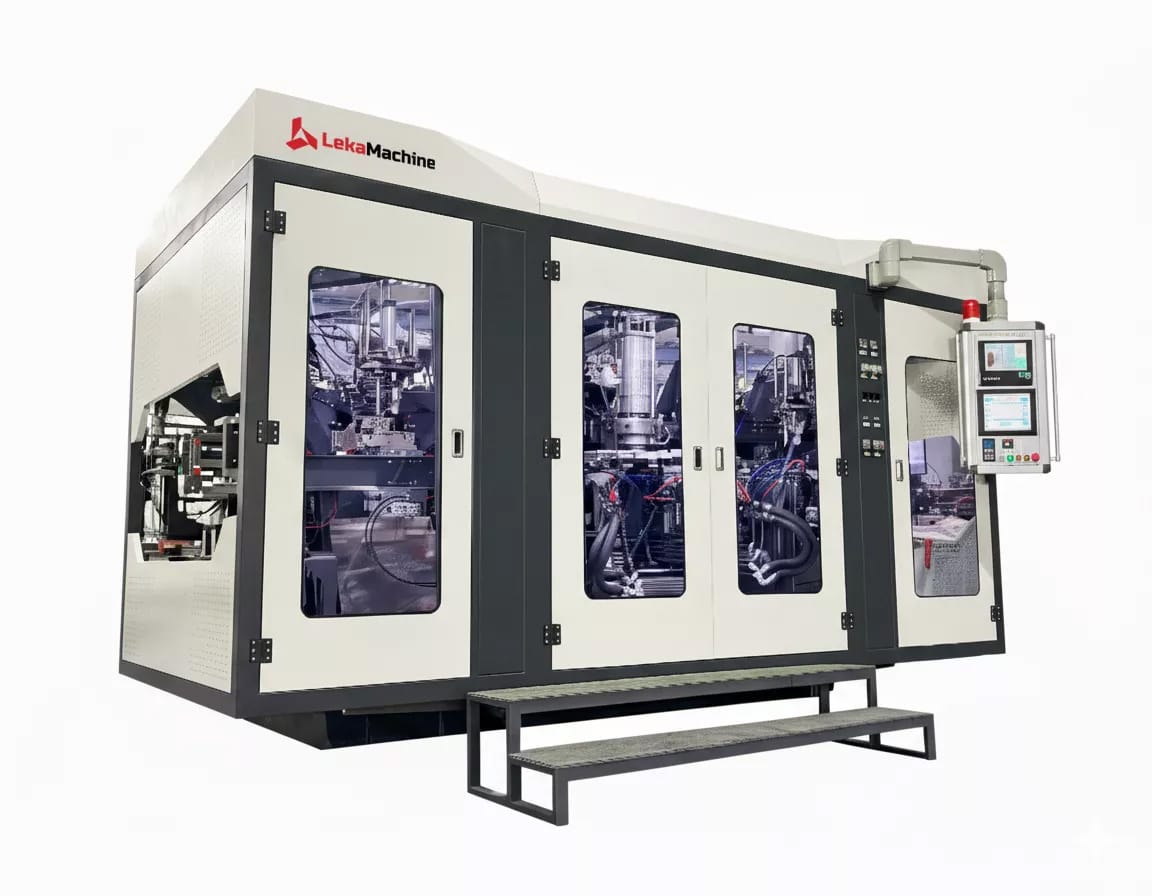
For industries demanding precision—like pharmaceuticals and cosmetics—injection stretch blow molding (ISBM) is ideal. It creates lightweight, high-clarity bottles with tight tolerances, critical for sterile packaging. Lekamachine’s single-stage ISBM solutions, for example, meet stringent FDA and EU standards, ensuring safety for medical and beauty products.
Single vs. Multi-Station Machines: Efficiency Trade-offs
Single-station machines suit small businesses with lower output needs, while multi-station models maximize throughput for large-scale operations. A blow molding machine buying guide should weigh factors like energy use, labor costs, and maintenance—multi-station units often offer faster ROI for high-demand sectors.
Industry Applications: Real-World Case Studies
In pharmaceuticals, ISBM machines produce tamper-evident bottles; cosmetics use them for sleek, branded packaging. Automotive suppliers leverage extrusion molding for durable fluid containers. Each sector benefits from tailored machine features—like Lekamachine’s energy-efficient designs, which reduce costs by 15-20%.
Technological Advancements
Modern machines integrate IoT for real-time monitoring and AI-driven adjustments, minimizing waste. Lekamachine’s latest models, for instance, cut material waste by 30% through precision controls—a key edge over competitors still using older tech.
How to Choose a Blow Molding Machine for Small Business
Start by assessing production volume, material type (PET, PP, etc.), and compliance needs. For limited budgets, semi-automatic machines balance cost and output, while modular designs allow future upgrades.
| Machine Type | Best For | Output (units/hour) | Energy Use (kWh) | Key Advantage |
|---|---|---|---|---|
| Extrusion Blow | Industrial containers | 500-1,000 | 25-40 | High durability |
| Single-Stage ISBM | Pharma/cosmetics | 300-600 | 15-25 | Precision molding |
| Multi-Station ISBM | Large-scale beverage | 1,200-2,000 | 50-70 | High throughput |
| Semi-Automatic | Small businesses | 100-300 | 10-15 | Low upfront cost |
| Fully Automatic | 24/7 production | 2,500+ | 80-100 | Labor savings |
Key Technical Specifications to Evaluate
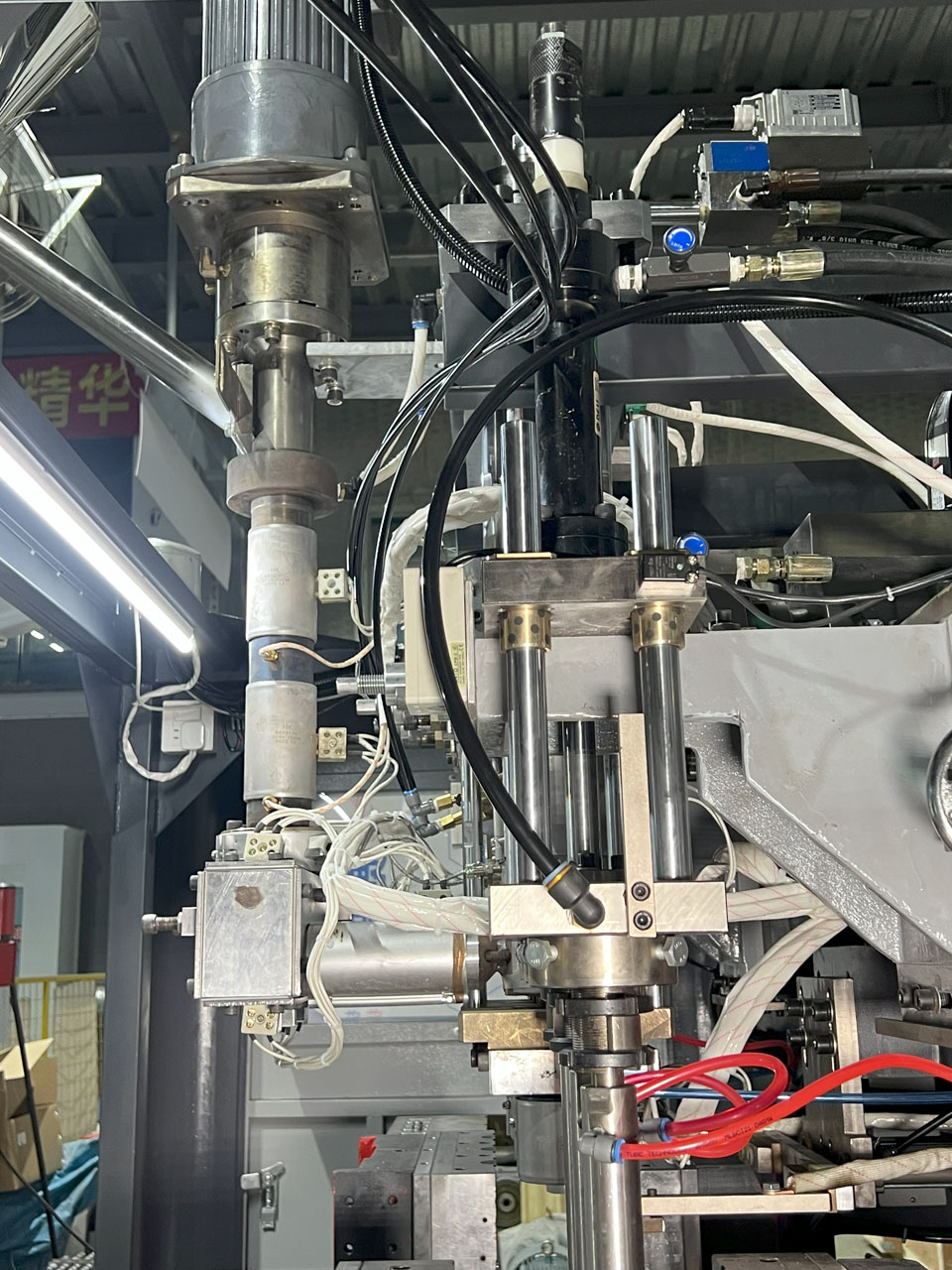
Selecting a blow molding machine requires careful analysis of output capacity, energy efficiency, and automation levels—these factors directly impact your operational costs and return on investment.
When evaluating blow molding machine features, technical specifications determine long-term productivity and profitability. This guide examines critical factors like production capacity, energy systems, and automation to help you choose the best fit.
Production Capacity: Matching Output to Demand
Units-per-hour (UPH) rates vary significantly by machine type. For example:
- Semi-automatic machines: 100-300 UPH (ideal for startups)
- Fully automated systems: 2,000+ UPH (for large-scale production)
Lekamachine’s high-speed models achieve 2,500 UPH with automated blow molding solutions, reducing labor costs by 40% compared to manual operations.
Energy Efficiency: Hydraulic vs. Electric Systems
Electric machines consume 30-50% less energy than hydraulic models (15 kWh vs. 25 kWh per 1,000 units). Lekamachine’s servo-electric drives cut energy use further—saving $18,000 annually for mid-sized plants.
Automation Levels: From Basic to Smart Factories
Modern blow molding machine features include:
- IoT sensors for real-time monitoring
- AI-driven quality control
- Remote diagnostics
These advancements minimize defects by 25% while enabling predictive maintenance.
Mold Changeover Time: Minimizing Downtime
Traditional systems require 2-4 hours for mold swaps. Lekamachine’s quick-change technology reduces this to 45 minutes—critical for affordable blow molding machines with high efficiency in high-mix production.
| Specification | Standard Machine | Advanced Model | Industry Benchmark | Cost Impact |
|---|---|---|---|---|
| Output (UPH) | 800 | 2,500 | 1,200 | +$0.02/unit |
| Energy Use (kWh/1k units) | 25 | 12 | 18 | -$1.8k/month |
| Changeover Time | 120 min | 45 min | 90 min | +5% uptime |
| Defect Rate | 3% | 0.8% | 2% | -$12k/year |
| Automation Level | Semi-auto | IoT-enabled | Full-auto | 2-year ROI |

Cost Analysis: New vs. Used Machines and ROI
Understanding the true cost of blow molding equipment requires evaluating both upfront price and long-term operational expenses—the right choice can mean the difference between profitability and financial strain.
When searching for blow molding machines for sale, manufacturers face a critical decision: invest in new equipment or opt for refurbished models. This analysis breaks down costs, hidden expenses, and ROI scenarios to guide your purchasing decision.
Upfront Costs: New vs. Refurbished Equipment
New machines range from $50,000 for basic models to $500,000+ for advanced automated systems. Refurbished options typically cost 40-60% less ($20,000-$200,000), but may lack modern energy-saving features. Lekamachine’s entry-level models offer cost-effective blow molding machines for startups with payment plans starting at $1,200/month.
Hidden Costs That Impact Your Bottom Line
Beyond purchase price, consider:
- Maintenance: New machines average 2% of purchase price annually vs. 5% for used
- Energy use: Modern electric models save $0.03/unit over hydraulic systems
- Downtime: Older equipment may have 15-20% lower uptime
ROI Case Study: Cosmetics Manufacturer
A mid-sized cosmetics company achieved:
- 24-month payback on a $180,000 ISBM machine
- 35% production increase with automated quality control
- $42,000 annual energy savings vs. their previous system
Lekamachine’s ROI calculator helps project similar savings based on your production volume.
Financing Options: Leasing vs. Purchase
| Option | Upfront Cost | Monthly Payment | Tax Benefits | Best For |
|---|---|---|---|---|
| Full Purchase | 100% | $0 | Depreciation | Established businesses |
| Lease (3yr) | 10% | $3,200 | Operational expense | Cash-flow sensitive |
| Rent-to-Own | 15% | $2,800 | Partial depreciation | Testing equipment |
| Bank Loan | 20% | $2,500 | Interest deduction | Long-term users |
| Government Grant | 0% | $0 | Full subsidy | Eco-friendly upgrades |
Supplier Evaluation and Post-Purchase Support
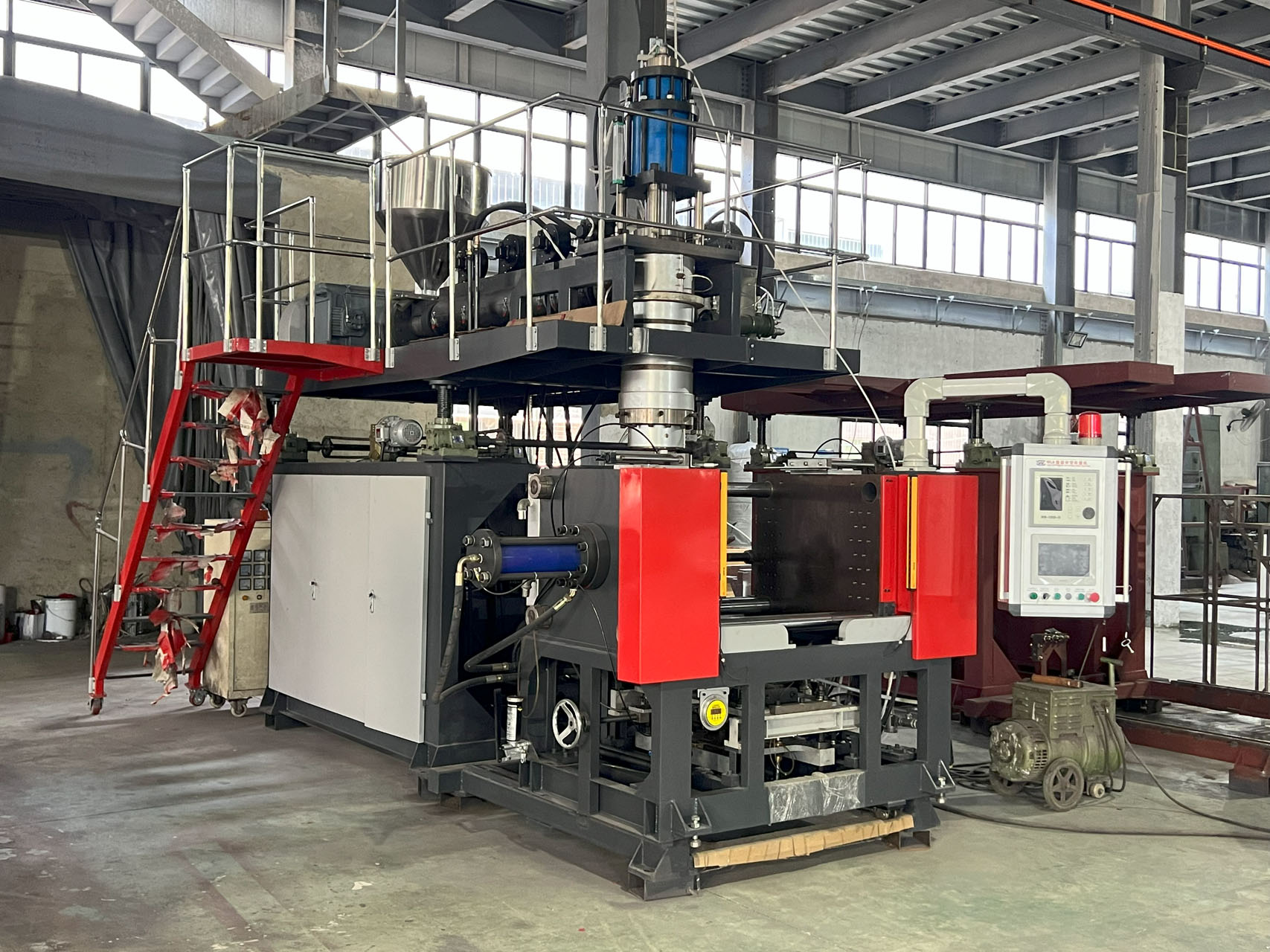
Choosing the right blow molding machine supplier is just as critical as selecting the equipment itself—proper vetting ensures long-term reliability and production efficiency.
This blow molding machine buying guide section focuses on evaluating suppliers and understanding post-purchase support structures. These factors often determine whether your investment delivers sustained value or becomes a costly burden.
Supplier Checklist: Key Reliability Indicators
When buying blow molding machines, verify:
- ISO 9001 certification for quality management
- Minimum 5 years of industry experience
- Active R&D investment (ask for patent documentation)
- Client references in your specific industry
Lekamachine maintains all these qualifications plus FDA-compliant manufacturing facilities.
Lead Time Assessment: Regional vs. Global Suppliers
| Supplier Type | Average Lead Time | Installation Support | Spare Parts Availability | Best For |
|---|---|---|---|---|
| Local (Same Country) | 4-6 weeks | On-site team | 24-hour delivery | Urgent replacements |
| Regional (Same Continent) | 8-10 weeks | Optional | 3-5 days | Balanced cost/speed |
| Global (Overseas) | 12-16 weeks | Remote guidance | 2-4 weeks | Budget-conscious |
| Lekamachine (China-based) | 6-8 weeks | Dedicated installers | 5-day global shipping | Value-focused |
Post-Purchase Support Structures
Top-tier suppliers offer:
- Comprehensive operator training (minimum 40 hours)
- Remote monitoring systems with predictive maintenance
- Guaranteed 72-hour spare parts dispatch
Lekamachine’s AI platform detects 85% of potential failures before they occur, reducing unplanned downtime by 40%.
Warranty Comparisons
Standard 1-year warranties cover basic components only. Extended 3-year plans (like Lekamachine’s premium package) typically include:
- All mechanical and electrical parts
- Priority technical support
- Two annual preventive maintenance visits
This comprehensive coverage adds just 2-3% to total machine cost.
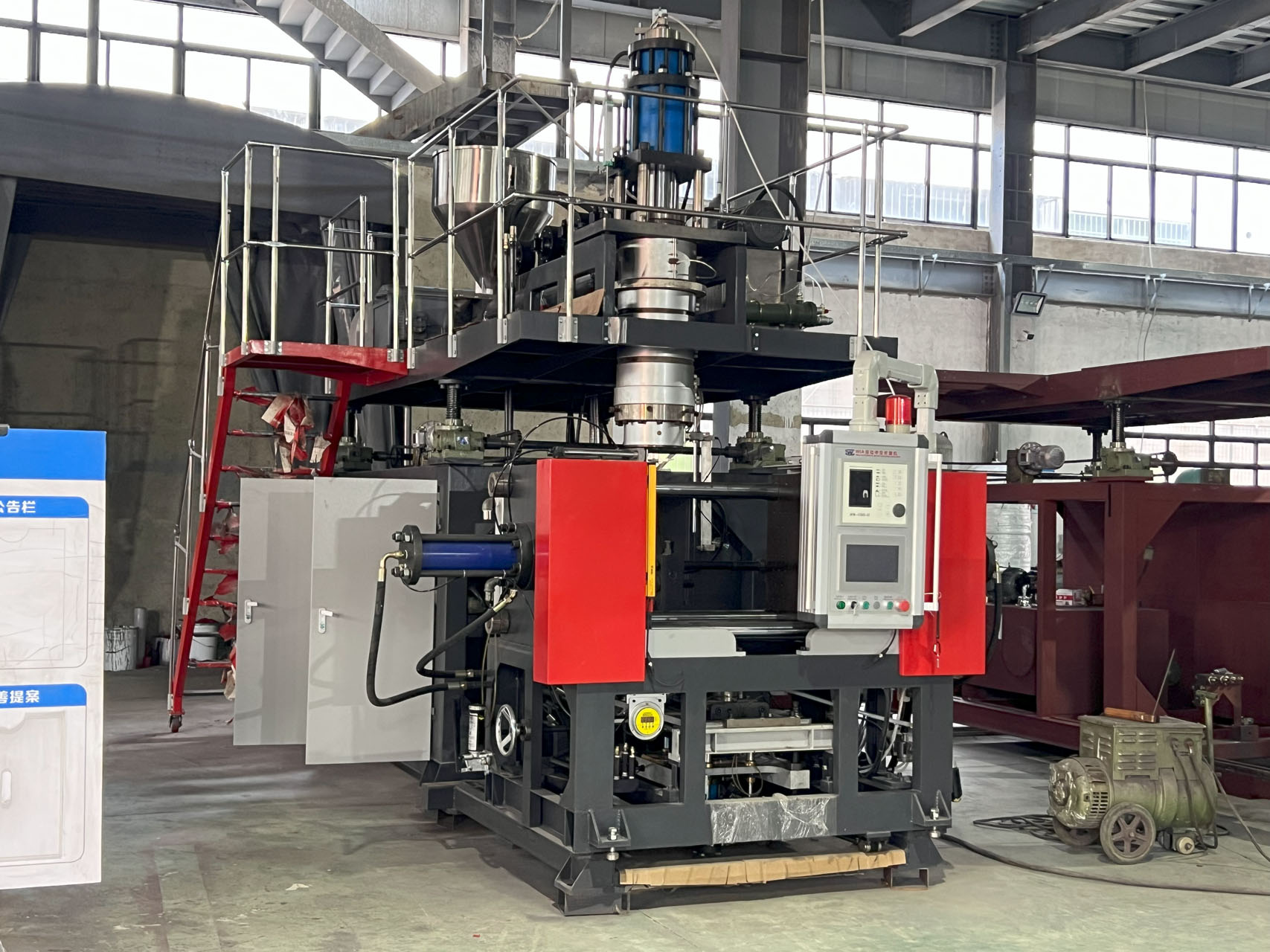
Future-Proofing Your Investment with Smart Technology
Modern blow molding machines equipped with IoT and AI capabilities can reduce defects by 20% while extending equipment lifespan through predictive maintenance.
The latest automated blow molding solutions integrate smart technologies that transform production monitoring and quality control. This section explores how these innovations protect your long-term investment.
IoT Integration: Real-Time Production Intelligence
Connected machines provide:
- Instant alerts for parameter deviations
- Predictive maintenance scheduling
- Energy consumption analytics
Lekamachine’s systems reduce unplanned downtime by 35% through continuous monitoring.
AI-Driven Quality Control
Advanced vision systems:
- Detect micro-defects invisible to human inspectors
- Automatically adjust process parameters
- Learn from historical defect patterns
A pharmaceutical client achieved 18% fewer rejected bottles using Lekamachine’s AI in blow molding machine quality control system.
Modular Upgrade Paths
Older machines can gain smart capabilities through:
- Retrofit sensor packages ($8,000-$15,000)
- Cloud connectivity modules
- Edge computing devices for local AI processing
These upgrades typically pay for themselves within 14 months.
Sustainability Enhancements
Modern automated blow molding solutions incorporate:
- Waste heat recovery (saving 12-18% energy)
- Compatibility with 30-50% recycled material content
- Precision dosing that reduces material waste by 22%
| Technology | Implementation Cost | ROI Period | Quality Improvement | Energy Savings |
|---|---|---|---|---|
| Basic IoT Monitoring | $5,000 | 8 months | 10% | 7% |
| AI Quality Control | $20,000 | 14 months | 20% | 3% |
| Full Smart Retrofit | $45,000 | 22 months | 25% | 15% |
| New Smart Machine | $180,000+ | 36 months | 30% | 22% |
Conclusion
After years in the blow molding industry, I’ve seen firsthand how the right machine can make or break your production line. It’s not just about specs—it’s about finding a solution that aligns with your goals, whether you’re crafting precision pharmaceutical bottles or rugged industrial containers.
The key takeaway? Don’t settle for a one-size-fits-all approach. Your packaging needs are unique, and your equipment should be too. With advancements in IoT and AI, today’s machines offer smarter, more efficient ways to boost output while cutting waste.
If you’re weighing your options, remember: the best investment is one that grows with your business. Choosing a ride-or-die partner who understands your industry can save you headaches—and dollars—down the line.
FAQ
Q1: What factors should I consider when buying a blow molding machine?
A1: When buying a blow molding machine, consider factors such as production capacity, machine speed, ease of operation, maintenance requirements, and the materials you plan to use. Assessing these features will help ensure the machine meets your business needs.
Q2: What are the main types of blow molding machines?
A2: The main types of blow molding machines are extrusion, injection, and stretch blow molding machines. Each type has unique features suited for different manufacturing processes and product specifications.
Q3: How do I determine the right capacity for a blow molding machine?
A3: To determine the right capacity for a blow molding machine, evaluate your production requirements, including the volume of items to be produced and the desired cycle time. This ensures the machine can handle your output needs efficiently.
Q4: What is the difference between automatic and manual blow molding machines?
A4: Automatic blow molding machines are designed for high-volume production and require minimal operator intervention, whereas manual machines often require more hands-on operation and are suited for small-scale production.
Q5: How important is the material used in blow molding?
A5: The material’s quality directly affects the final product’s durability and functionality. Common materials for blow molding include polyethylene and polypropylene, which offer excellent flexibility and strength.
Q6: What is the typical cost range for blow molding machines?
A6: The cost of blow molding machines can vary widely, ranging from a few thousand dollars for small manual machines to over a million dollars for large, fully automated systems. Prices depend on capacity, technology, and manufacturer.
Q7: What maintenance is required for blow molding machines?
A7: Regular maintenance for blow molding machines includes cleaning, lubricating moving parts, checking electrical systems, and ensuring safety features are functional. Following the manufacturer’s guidelines is essential for longevity.
Q8: Can I use a blow molding machine for different types of products?
A8: Yes, blow molding machines can be versatile. While some machines are specialized for specific products, many can be adapted to create various shapes and sizes, depending on their design and capabilities.
External Links
- Blow Molding Machine Buying Guide
- A Comprehensive Guide to Blow Molding Process
- Understanding Blow Molding Technology
- Choosing the Right IBC Blow Molding Machine
- Used Blow Molding Machine Buying Guide
- Blow Molding Machines – KD Capital Equipment
- The Essential Guide to Blow Molding Machines
- Blow Moldable Polyolefins and Applications


0 Comments