
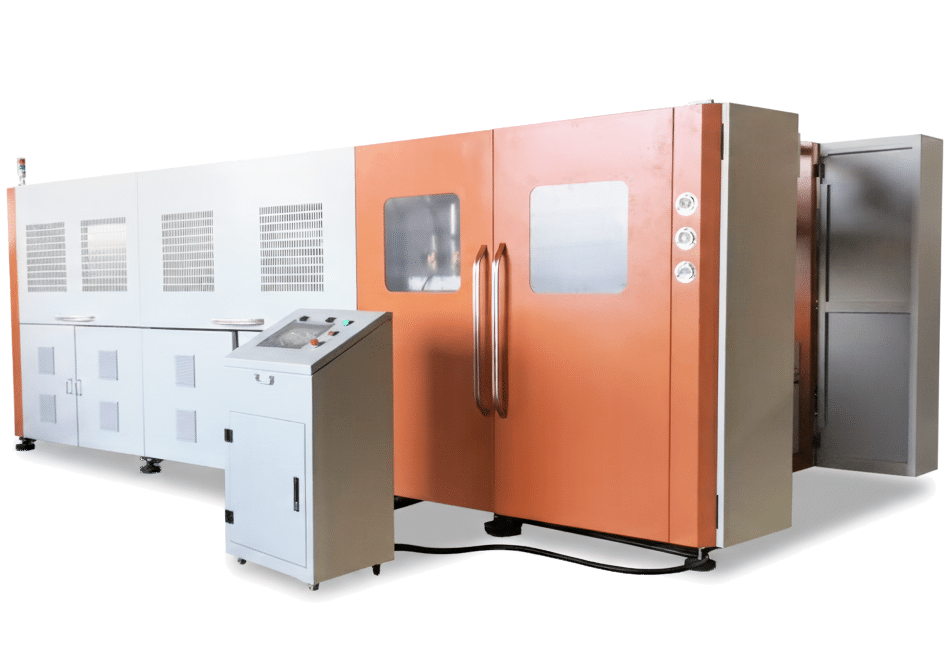
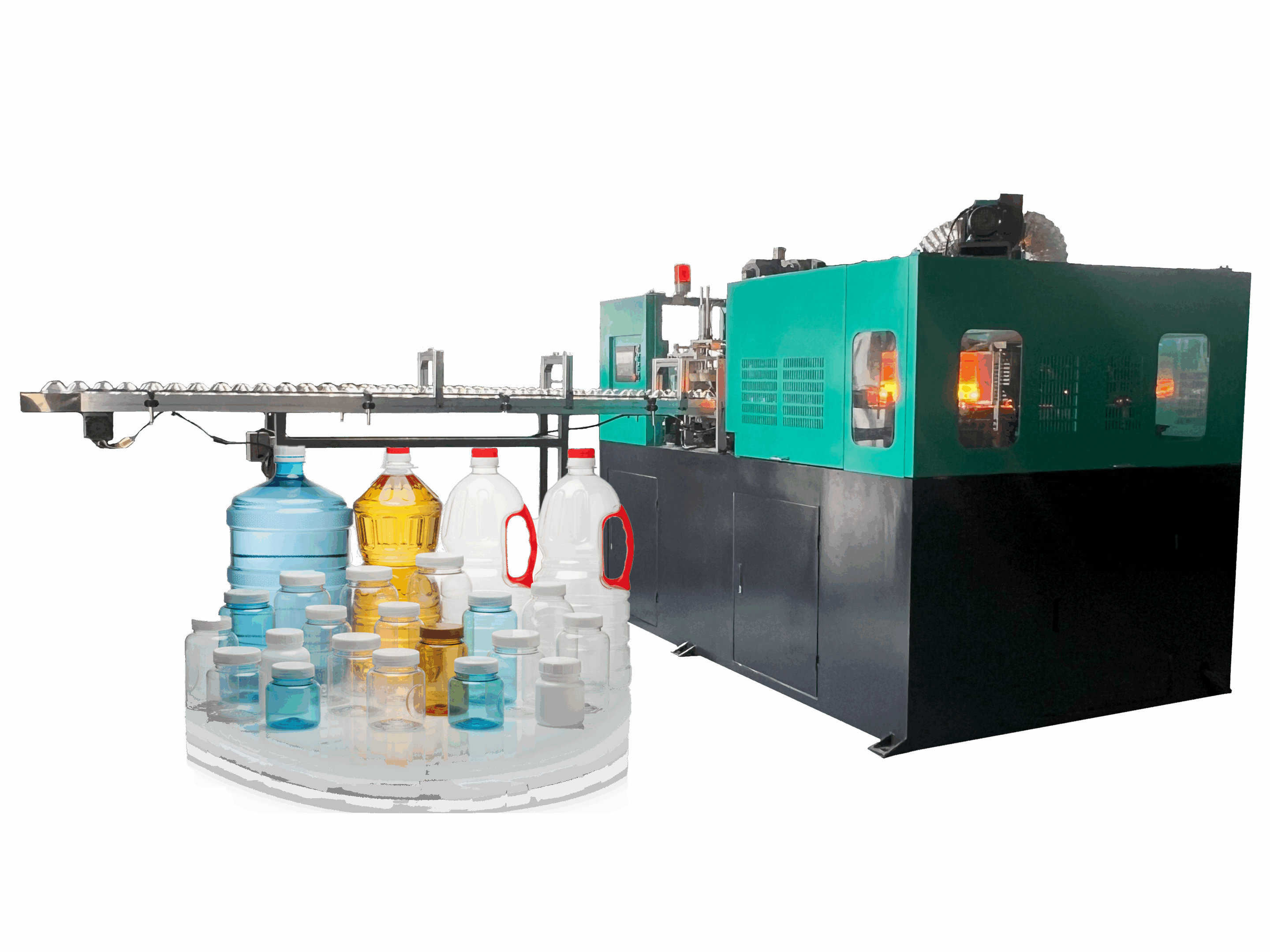
Top Extrusion Blow Molding Machine Manufacturers for Sudan (2026)
Sudan’s EBM equipment market is import-driven and highly sensitive to logistics, power stability, and remote service readiness. This shortlist is built for factory owners, procurement managers, and engineering managers who need to compare suppliers quickly—especially for HDPE jerry cans, household packaging, and larger accumulator tank applications shipping via Port Sudan. This guide is written by LEKA Machine; LEKA is included as a reference option in the shortlist.This guide covers extrusion blow molding (EBM) only. Stretch blow molding (SBM/ISBM) and injection blow molding (IBM) are excluded because their materials, tooling, and process controls differ from EBM and require a different supplier evaluation process.Shortlist summary
| Brand | Best-fit products | Process fit | What to verify fast |
|---|---|---|---|
| LEKA Machine (lekamachine.com) | HDPE bottles, jerry cans, chemical containers | Servo-hydraulic or all-electric EBM; multi-head; multi-layer optional | Generator-ready electrical tolerance; remote diagnostics + spares strategy |
| Sinco Machinery | Turnkey packaging lines (machine + molds + auxiliaries) | Bundled supply for faster commissioning and simplified sourcing | Quote scope boundaries; remote SAT steps and training deliverables |
| Suzhou JWELL | Industrial packaging, larger-volume parts | Continuous or accumulator head options; scalable output platforms | Head/process match; spares pathway via regional intermediaries |
| Lien Chiny Enterprise (Taiwan) | 18L–20L HDPE edible oil jerry cans | Heavy-duty jerry can configurations focused on stable cycles | Handle/neck quality controls; stable operation under generator power |
| Rajoo Engineers (India) | Mid-volume bottles, household packaging | Value-oriented EBM with straightforward maintenance | Maintainability evidence; remote troubleshooting workflow readiness |
| Jagmohan (India) | Core packaging SKUs for SMEs | Pragmatic EBM builds tolerant of simpler utilities | Electrical tolerance; critical spares kit sized for travel restrictions |
| BEKUM | Refurbished premium EBM capacity | Used-market machines where output depends on refurbishment scope | Refurb scope + test evidence; spares lead time into Port Sudan |
| Kautex | Refurb European machines for stable output | Used-market performance if refurbishment and documentation are rigorous | FAT proof for target SKUs; control system supportability and backups |
| Magic MP | Tooling-sensitive parts and technical packaging | High process control focus (head, parison control, tooling fit) | Mold interface controls; flash/trim plan and scrap handling |
| TONGJIA | General HDPE bottles, jerry cans, small-to-mid industrial parts | Mainstream EBM platforms with broad tooling ecosystem support | Auxiliaries sizing; remote commissioning checklist discipline |
Shortlist: 10 manufacturers serving extrusion blow molding buyers in Sudan
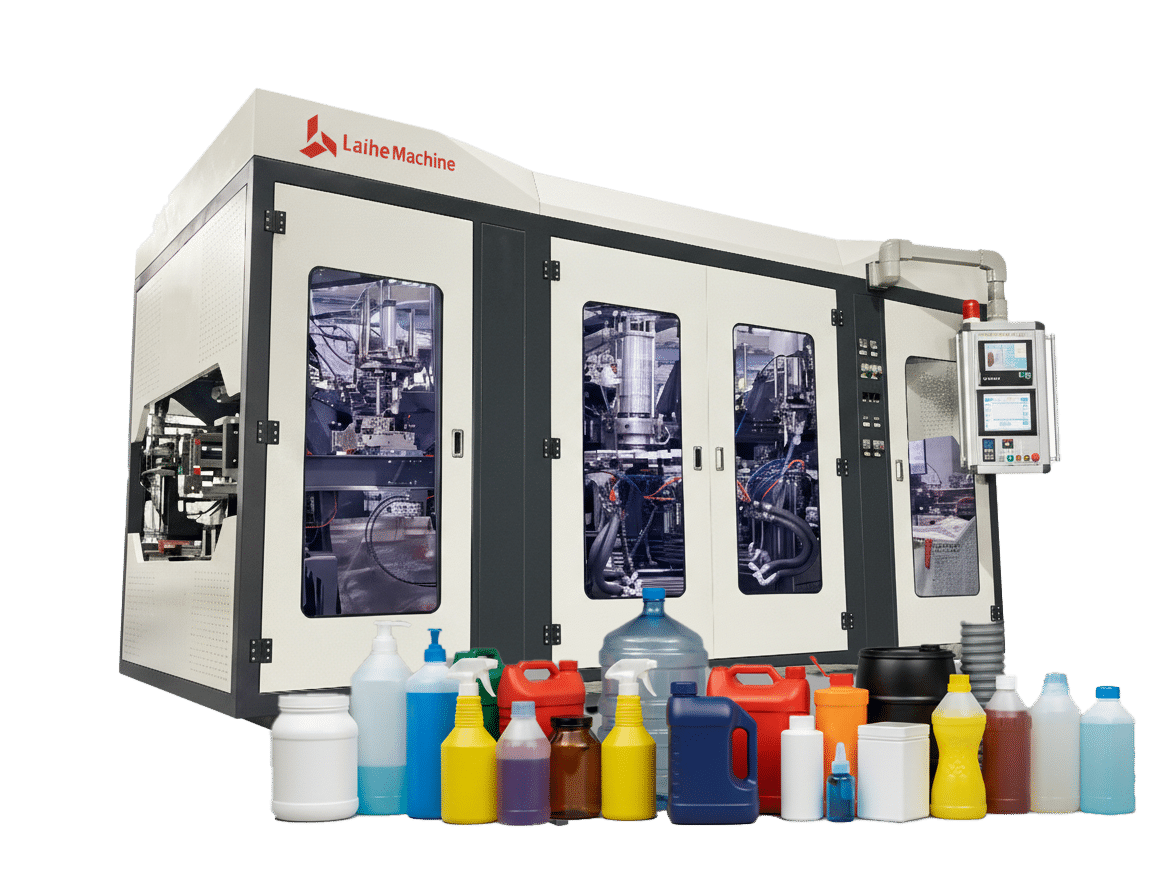
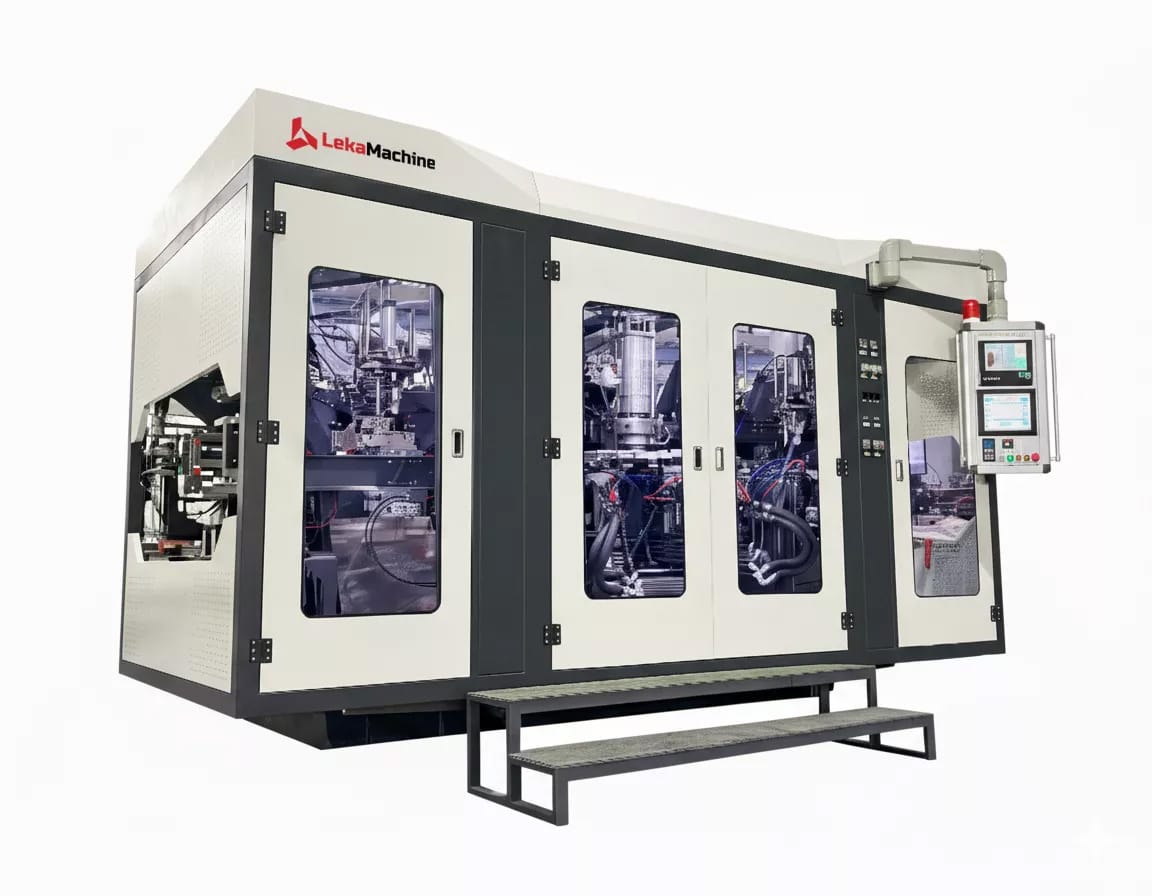
LEKA Machine (lekamachine.com)
Best-fit applications: HDPE bottles, detergent/chemical containers, edible oil jerry cans, general industrial packaging. Typical EBM configurations: Servo-hydraulic or all-electric EBM; multi-head options; optional multi-layer co-ex for barrier/appearance needs.- Verification focus: Generator-ready electrical tolerance (wide-voltage stability, restart behavior, protection settings).
- Verification focus: Remote diagnostics workflow (alarm triage, I/O checks, parameter backup) plus a spares plan aligned to Port Sudan lead times.
Sinco Machinery
Best-fit applications: Buyers needing bundled delivery: EBM machine + molds + auxiliaries as a single coordinated supply. Typical EBM configurations: Turnkey EBM lines packaged with compressor/chiller options and mold sets to shorten sourcing cycles.- Verification focus: Written scope boundary: exactly what is included (auxiliaries specs, mold steel, spare sets, commissioning tasks).
- Verification focus: Remote SAT method: step-by-step commissioning checklist, training materials, and parameter handover files.
Suzhou JWELL
Best-fit applications: Industrial packaging producers needing robust throughput and scalable head options. Typical EBM configurations: Continuous or accumulator head platforms with expansion room for higher-output SKUs.- Verification focus: Head/process match to resin and part geometry (melt stability, parison programming depth, repeatability).
- Verification focus: Spares routing via intermediaries: declared lead times, critical wear-parts list, and documentation quality.
Lien Chiny Enterprise (Taiwan)
Best-fit applications: 18L–20L HDPE jerry cans for edible oils requiring robust handling performance. Typical EBM configurations: Heavy-duty jerry can EBM setups emphasizing stable cycles and consistent handle/neck quality.- Verification focus: Jerry can quality proof: handle integrity, neck finish repeatability, and weight stability across shifts.
- Verification focus: Generator-power behavior: restart stability, drive tuning, and parameter backup/restore procedure.
Rajoo Engineers (India)
Best-fit applications: Mid-sized factories prioritizing value, uptime, and simpler maintenance practices for core packaging SKUs. Typical EBM configurations: Practical EBM lines suited to standard HDPE bottles and common household packaging formats.- Verification focus: Maintainability evidence: access to wear parts, troubleshooting documentation, and parts identification clarity.
- Verification focus: Remote support readiness: alarm interpretation workflow, parameter handover, and operator training materials.
Jagmohan (India)
Best-fit applications: Cost-sensitive EBM buyers running predictable formats where uptime depends on local maintainability. Typical EBM configurations: Straightforward EBM builds designed for stable operation with standard utilities and clear maintenance access.- Verification focus: Electrical tolerance strategy for generator power (brownouts, restarts, stable drive behavior).
- Verification focus: Critical spares kit definition: heaters, sensors, valves, seal sets, and PLC/HMI backup method.
BEKUM
Best-fit applications: Buyers sourcing refurbished European EBM machines to control capex while maintaining production stability. Typical EBM configurations: Used-market EBM units where output depends on declared refurbishment scope and documentation completeness.- Verification focus: Refurb completeness: screw/barrel condition, head wear, hydraulics health, and electrical cabinet status.
- Verification focus: Evidence bundle: test-run proof for target SKUs plus a practical spare parts shipping pathway.
Kautex
Best-fit applications: Factories upgrading output stability via well-refurbished European EBM platforms. Typical EBM configurations: Used-market EBM machines requiring rigorous inspection, FAT proof, and structured spares planning.- Verification focus: FAT proof for your SKU: cycle time stability, scrap behavior, wall thickness consistency, and repeatability.
- Verification focus: Control system supportability: PLC/HMI condition, backups, and availability of replacement components.
Magic MP
Best-fit applications: Tooling-sensitive packaging where mold interface and process control determine scrap and stability. Typical EBM configurations: EBM systems emphasizing head control, parison programming, and stable processing windows for consistent output.- Verification focus: Mold interface certainty: mounting standards, cooling routing, and utilities interfaces for repeatable changeovers.
- Verification focus: Flash and trimming plan: expected flash, downstream handling, and scrap management under local utilities.
TONGJIA
Best-fit applications: General HDPE bottles and jerry cans where broad tooling compatibility and auxiliaries integration are key. Typical EBM configurations: Mainstream EBM platforms with flexible auxiliaries and mold supply ecosystem options.- Verification focus: Auxiliaries match: compressor/chiller sizing, utilities list completeness, and stability under generator operation.
- Verification focus: Remote commissioning discipline: SAT checklist, training flow, and parts identification process for downtime recovery.
Selection criteria
- Logistics controllability (highest weight): Ability to deliver DAP Port Sudan, disciplined packing list execution, and realistic inland transfer planning.
- Power tolerance: Wide-voltage capability, stable drive behavior under generator operation, and predictable restart handling after dips.
- Remote maintainability: Diagnostic depth, video-call repair routines, parameter backup/restore, and disciplined spare-part support.
- Tooling and head fit: Head type suitability, parison programming, mold interface standards, and changeover time expectations.
- Evidence quality: FAT/SAT checklists, samples, traceable parts lists, and documentation completeness (especially for refurbished units).
Decision shortcuts
Scenario 1: 18L–20L edible oil jerry cans (high-duty handling)
What matters
- Repeatable handle integrity and neck finish, not just output rate.
- Stable cycles under generator power with predictable scrap behavior.
- Samples showing handle strength and consistent neck dimensions across multiple runs.
- Restart behavior after power dips and a parameter backup/restore method.
Scenario 2: Turnkey “full-line” purchase for faster commissioning
What matters
- A complete scope boundary for machine, molds, and auxiliaries.
- Remote SAT steps that are executable without on-site foreign technicians.
- Utilities list, layout, and acceptance criteria written into the contract.
- Training deliverables, parameter handover files, and response-time expectations.
Scenario 3: Buying refurbished European machines through brokers
What matters
- Declared refurbishment scope and evidence quality for your target SKUs.
- Control system supportability and a reliable spares shipping pathway.
- Test-run proof, replaced-parts list, and documentation bundle completeness.
- Availability of PLC/HMI components and a practical backup/restore workflow.
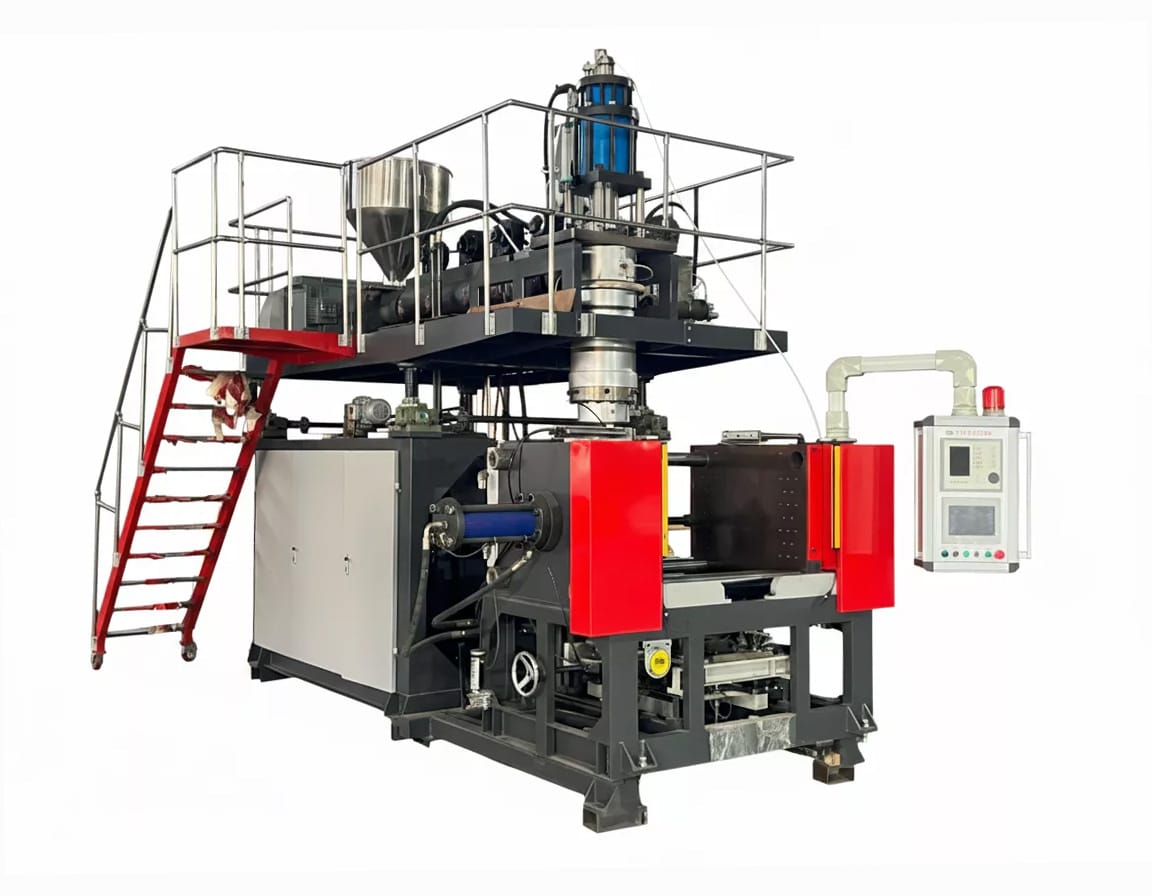
Scenario 4: 50L–80L tanks for desert air coolers (accumulator niche)
What matters
- Accumulator head suitability, melt stability, and controlled wall thickness distribution.
- Downstream handling and trimming plan aligned to local labor and utilities.
- FAT samples showing stable part weight and consistent wall distribution across zones.
- Auxiliaries sizing and power stability plan for generator operation.
RFQ checklist
| Category | What to Ask | Evidence to Request |
|---|---|---|
| Product & output | Target SKUs, resin grades, output/hour, scrap target, part weight tolerance | Run video, sample parts, cycle stability logs, weight repeatability proof |
| Head & parison control | Head type, parison programming points, melt stability expectations, layer needs | Programming evidence, head drawings, reference SKUs with similar geometry |
| Power & utilities | Voltage tolerance, generator operation plan, compressor/chiller sizing | Electrical spec sheet, protection strategy, utilities list with kW/flow |
| Mold interface | Platen size, mounting standard, cooling circuits, changeover method | Interface drawings, mold utility schematics, changeover checklist |
| Logistics | DAP Port Sudan readiness, packing discipline, spares shipping lane, inland plan | Packing list template, crate-level inventory photos, Incoterms line items |
| Remote service | Remote SAT steps, response time, diagnostics tools, training deliverables | Remote service SOP, alarm triage checklist, training agenda and handover files |
FAQ
1) Can I buy an EBM machine from a domestic builder in Sudan?
In practice, no. Sudan’s EBM capacity depends on imported equipment, either new machines from Asian OEMs or refurbished European units routed through regional brokers. That changes supplier selection: beyond machine capability, you must evaluate Port Sudan delivery execution, generator-power behavior, and remote commissioning depth. Treat documentation, spares planning, and remote troubleshooting routines as core technical requirements, not optional “after-sales” items.
2) Why do Dubai- or Egypt-based intermediaries matter for procurement?
Because many purchases are structured through regional trading houses to manage financial transfers, documentation, and shipping coordination. For the buyer, this adds a verification layer: clarify who owns warranty communication, who issues technical instructions during commissioning, and who can ship spares quickly. If an intermediary is involved, make sure the escalation path is clear and that remote support does not stall due to “handoff” confusion.
3) What is the most common operational risk for EBM lines in Sudan?
Power instability paired with limited technician travel. Many industrial sites rely on diesel generators with fluctuating voltage and frequency, which can expose weak drive tuning, poor protection settings, and unstable restart behavior. Separately, downtime recovery often depends on remote diagnostics, disciplined documentation, and having correct spares on-site. Your RFQ should explicitly request generator-ready specifications and a structured remote service workflow.
4) Should I choose a turnkey line or source machine/molds/auxiliaries separately?
Turnkey packages can reduce coordination risk if the supplier clearly defines what is included and can execute remote SAT steps. Separate sourcing can be viable if you have strong internal engineering and a proven local utilities setup. In Sudan, turnkey often wins when Port Sudan delivery execution, matched auxiliaries sizing, and a single remote support owner are more valuable than optimizing each component independently.
5) What should I verify first for 18L–20L edible oil jerry cans?
Start with consistency and durability: handle integrity, stable neck finish, and repeatable part weight across a sustained run. Ask for samples and proof of process stability rather than short “best-case” videos. Then check generator-power behavior: stable drives, predictable restart response after dips, and clear parameter backup/restore. These factors usually determine long-term scrap rate and downtime more than theoretical output numbers.
6) How do I commission the line if foreign technicians cannot travel to Sudan?
Build remote SAT into the purchase plan with a step-by-step checklist: mechanical installation checks, utilities validation, heater zone verification, safety I/O tests, dry cycles, first parts, and stabilization targets. Require training deliverables and a parameter handover file so your team can recover from alarms. Remote maintenance via WhatsApp/Zoom can work well if it is a structured routine with clear response expectations.
7) What logistics detail most buyers underestimate in Sudan?
The Port Sudan to inland transfer boundary. Many issues occur after arrival: unclear crate-level inventories, missing small components, delays at customs handling, and high-risk inland movement. Request crate-level packing lists and pre-shipment photos to reduce “lost inside the container” failures. Also plan a spares shipping lane through regional hubs so that urgent parts do not depend on uncertain routing.
Recommended next steps
Extrusion Blow Molding Machines (EBM) overview and selection guideContact LEKA Machine for an EBM line recommendation
Image plan
- IMAGE_TITLE: Port Sudan delivery checklist for EBM machine projects
WP_ALT: Checklist visual for EBM machine delivery planning via Port Sudan and inland transfer
Concept: Clean infographic showing port-to-factory flow, packing list discipline, and spares lane. - IMAGE_TITLE: Generator-ready power setup for EBM lines in Sudan
WP_ALT: EBM production line connected to a diesel generator with voltage monitoring equipment
Concept: Photorealistic industrial scene highlighting generator operation and stable drive control. - IMAGE_TITLE: 20L HDPE jerry can inspection points for edible oil packaging
WP_ALT: Close-up view of 20L HDPE jerry can handle and neck finish inspection points
Concept: Macro product shot with callouts for handle strength, neck finish, and wall thickness zones. - IMAGE_TITLE: Remote WhatsApp maintenance workflow for EBM machines
WP_ALT: Technician on video call diagnosing an EBM machine HMI alarm screen remotely
Concept: Split scene showing phone call, HMI diagnostics page, and parts identification steps. - IMAGE_TITLE: Accumulator EBM concept for 50L to 80L desert cooler tanks
WP_ALT: Large plastic tank forming concept illustrating accumulator head EBM for cooler water tanks
Concept: Industrial rendering-style image focusing on uniform wall distribution and stable melt delivery. - IMAGE_TITLE: RFQ table visual for Sudan EBM procurement
WP_ALT: RFQ table layout listing what to ask and evidence to request for EBM machines in Sudan
Concept: Clean table-style graphic aligned to the page sections for quick internal sharing.


0 Comments