
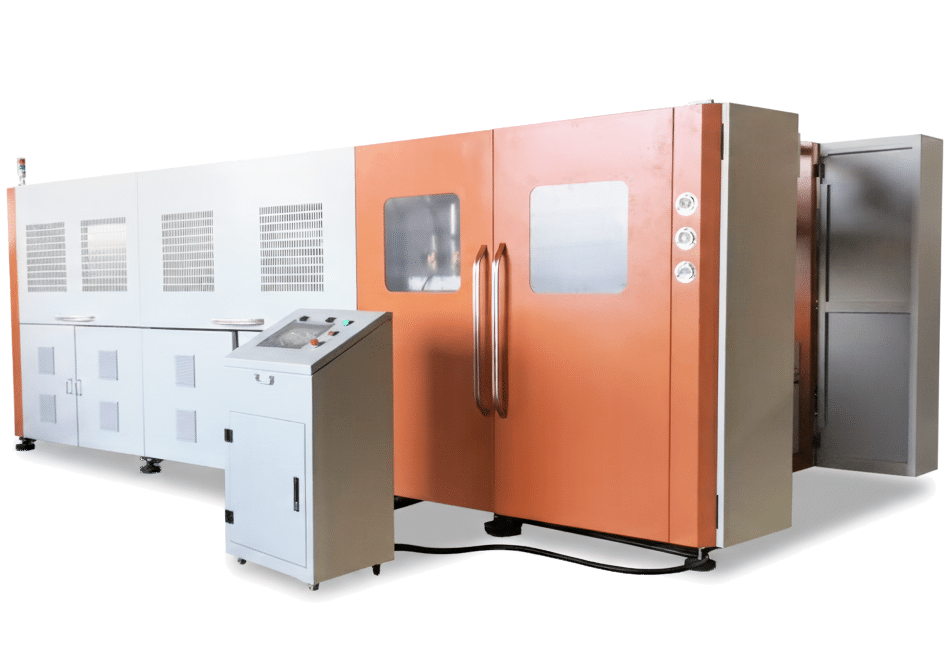
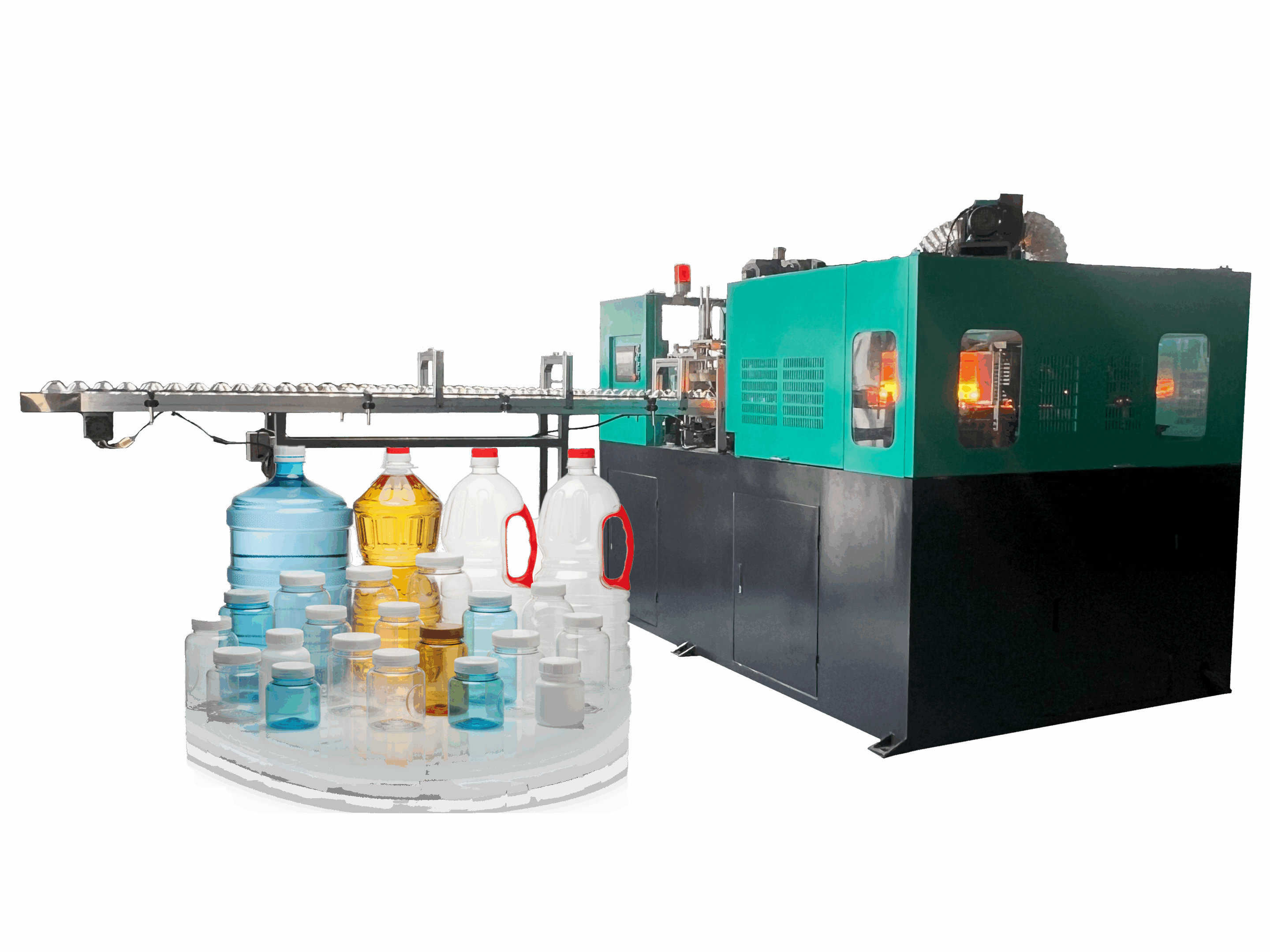
Introduction
Choosing the wrong plastic forming method can cost manufacturers thousands in wasted materials, delayed timelines, and subpar product quality. Whether you’re producing automotive components or pharmaceutical packaging, selecting between vacuum forming, pressure forming, and other techniques directly impacts your bottom line and product performance.
Plastic sheet forming offers manufacturers a versatile solution, but navigating material options and process differences requires expertise. With sustainable materials like bioplastics gaining traction and thermoforming emerging as a cost-effective alternative to injection molding, understanding these methods is more critical than ever.
This guide breaks down the key plastic sheet forming processes, material considerations, and industry-specific applications to help you optimize production efficiency while meeting quality standards. We’ll explore how modern thermoforming techniques balance precision with affordability for mid-volume runs – a “no-brainer” for manufacturers seeking to reduce tooling costs without compromising output.
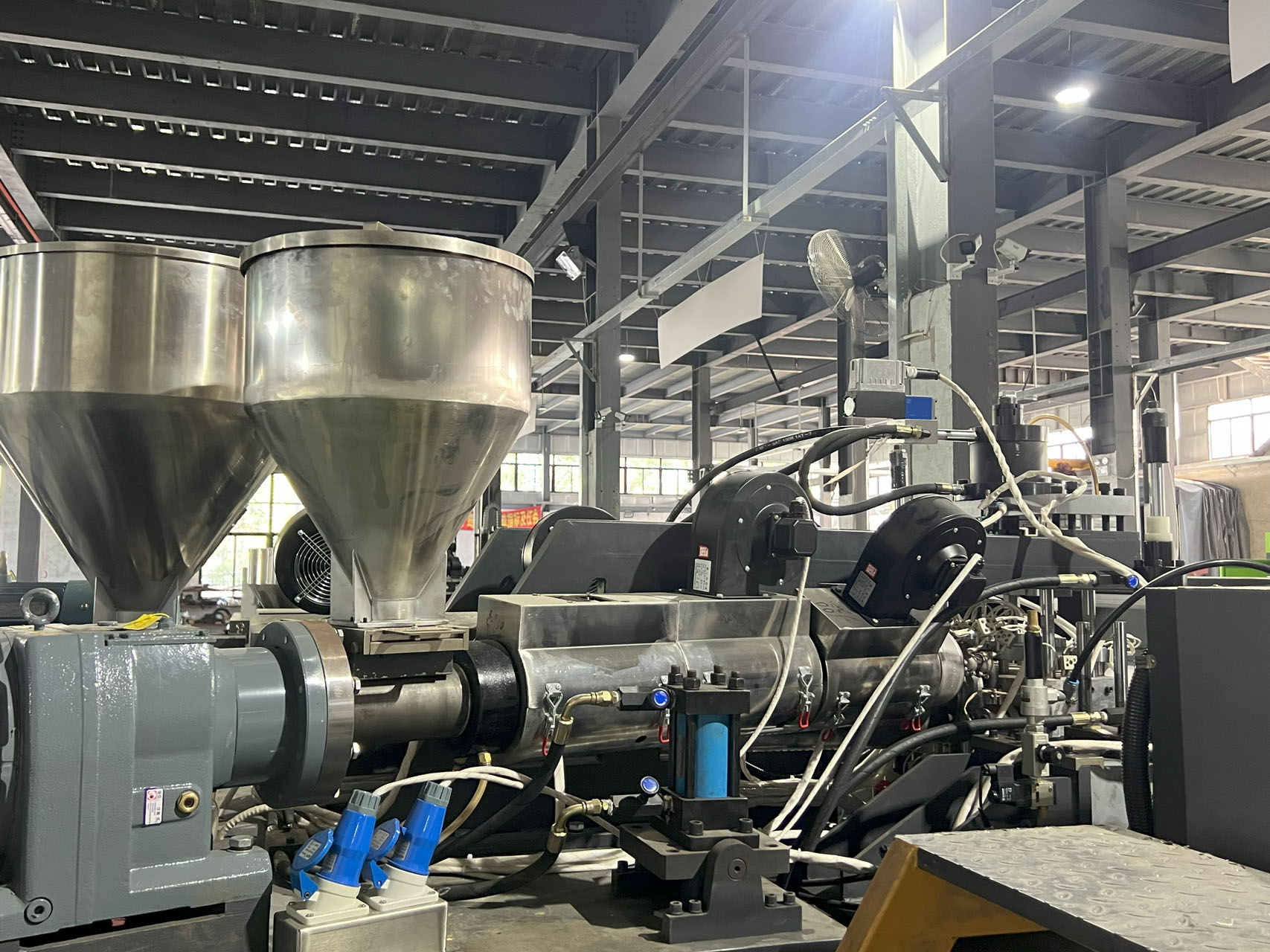
Introduction to Plastic Sheet Forming
“Plastic sheet forming is a versatile manufacturing process that transforms flat plastic sheets into custom shapes, offering cost-effective solutions for industries ranging from packaging to automotive.”
Plastic sheet forming is a widely used manufacturing technique that involves heating and shaping plastic sheets into desired forms. This process is essential in modern production lines due to its efficiency and adaptability. From creating durable packaging to intricate automotive components, plastic sheet forming plays a critical role in various sectors.
Definition and Overview
Plastic sheet forming, also known as thermoforming, involves heating a plastic sheet until it becomes pliable and then molding it into a specific shape using vacuum forming or pressure. This method is ideal for producing lightweight, durable, and customizable products. Industries such as food packaging, medical devices, and consumer goods rely heavily on this process.
Importance in Modern Manufacturing
The thermoforming process is a game-changer for manufacturers looking to reduce costs while maintaining high-quality output. Unlike traditional methods, plastic sheet forming allows for rapid prototyping and mass production with minimal waste. Its ability to work with recyclable materials also aligns with the growing demand for sustainable manufacturing practices.
Key Benefits for Manufacturers
One of the biggest advantages of vacuum forming is its cost-effectiveness. The process requires less energy and tooling compared to injection molding, making it accessible for small and medium-sized businesses. Additionally, plastic sheet forming offers design flexibility, enabling manufacturers to create complex geometries without compromising strength or durability.
Plastic Sheet Forming Performance Comparison
| Feature | Thermoforming | Injection Molding | Blow Molding | Industry Standard |
|---|---|---|---|---|
| Production Speed (units/hour) | 200-500 | 100-300 | 150-400 | 250 |
| Tooling Cost ($) | 5,000-20,000 | 20,000-100,000 | 15,000-50,000 | 10,000-30,000 |
| Material Waste (%) | 5-10 | 1-5 | 10-20 | 8-15 |
| Design Flexibility | High | Medium | Low | Medium |
| Sustainability | High (recyclable materials) | Medium | Low | Medium |
The table above highlights how plastic sheet forming compares to other common manufacturing methods. Its lower tooling costs and high design flexibility make it an attractive option for businesses looking to optimize production. Additionally, the ability to use recyclable materials addresses the increasing interest in eco-friendly manufacturing.
For those wondering how to perform plastic sheet forming, the process typically involves selecting the right material, heating the sheet, and using a mold to shape it. Advanced techniques like vacuum forming ensure precise results, making it a preferred choice for high-detail applications.
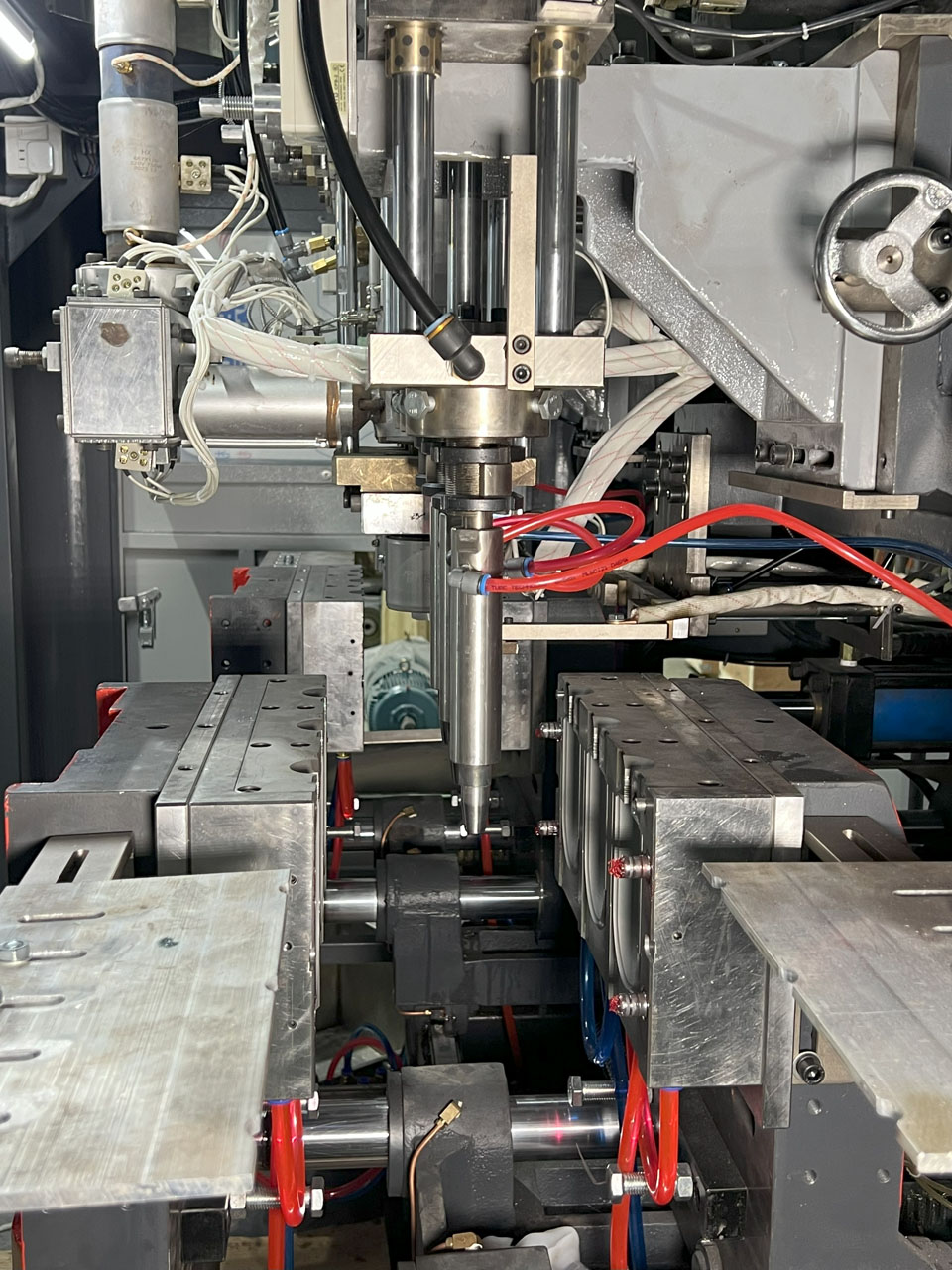
Methods of Plastic Sheet Forming
“Plastic sheet forming offers three primary methods – thermoforming, vacuum forming, and pressure forming – each with distinct advantages for different manufacturing needs.”
Thermoforming: Process and Applications
Thermoforming is the most common plastic sheet forming method, where heated plastic is stretched over a mold. This process excels in mid-volume production runs (1,000-5,000 units), offering better cost efficiency than injection molding. Applications range from food packaging to automotive components, particularly when design flexibility is crucial.
Vacuum Forming: Cost-Effective Solutions
Vacuum forming uses suction to shape heated plastic sheets against a mold, making it ideal for simpler geometries. With lower tooling costs (typically 30-50% less than thermoforming), it’s perfect for prototyping and short runs. The benefits of plastic sheet forming through vacuum methods include rapid production cycles and easy mold modifications.
Pressure Forming: High-Detail Applications
Pressure forming applies additional air pressure (5-10 psi) to create sharper details and smoother finishes than standard thermoforming. This method is preferred for cosmetic parts requiring tight tolerances (±0.005 in) or textured surfaces, though with 15-20% higher equipment costs.
Comparison of Plastic Sheet Forming Methods
| Method | Tooling Cost | Cycle Time | Detail Level | Best For | Sustainability |
|---|---|---|---|---|---|
| Thermoforming | $5,000-$20,000 | 30-60 sec | Medium | Mid-volume runs | Good (recyclable materials) |
| Vacuum Forming | $2,000-$10,000 | 45-90 sec | Basic | Prototypes/short runs | Excellent (low energy use) |
| Pressure Forming | $8,000-$30,000 | 60-120 sec | High | Premium finishes | Fair (higher energy) |
The table demonstrates how each plastic sheet forming method serves different production needs. Thermoforming strikes the best balance for most manufacturers, while vacuum forming offers the most sustainable option with its energy-efficient process. Pressure forming delivers superior aesthetics when product appearance is critical.
Materials Used in Plastic Sheet Forming
“The right material selection in plastic sheet forming can significantly impact product performance, cost efficiency, and environmental sustainability.”
Common Plastics: PET, PP, HDPE
Plastic sheet forming primarily utilizes three key materials: PET (Polyethylene Terephthalate) for its clarity and barrier properties, PP (Polypropylene) for chemical resistance, and HDPE (High-Density Polyethylene) for strength. These materials account for approximately 75% of all thermoformed products in packaging applications. Each offers distinct advantages in terms of formability, durability, and cost-effectiveness for different types of plastics used in forming processes.
Sustainable Materials: Bioplastics and Recycled Polymers
The industry is witnessing a 20% annual growth in sustainable materials for plastic forming, with PLA (Polylactic Acid) bioplastics and rPET (recycled PET) leading the trend. These eco-friendly alternatives maintain 85-90% of conventional plastics’ performance while reducing carbon footprint by 30-50%. Many manufacturers now offer materials with 25-100% recycled content without compromising quality standards.
Plastic Material Properties Comparison
| Material | Tensile Strength (MPa) | Heat Resistance (°C) | Recyclability | Cost ($/kg) | Common Applications |
|---|---|---|---|---|---|
| PET | 55-75 | 70-85 | Fully Recyclable | 1.20-1.50 | Food containers, blister packs |
| PP | 30-40 | 100-120 | Recyclable | 1.00-1.30 | Medical trays, automotive parts |
| HDPE | 20-32 | 90-110 | Fully Recyclable | 0.90-1.20 | Industrial packaging, bins |
| PLA | 50-70 | 50-60 | Compostable | 2.50-3.50 | Disposable tableware, eco-packaging |
| rPET | 50-70 | 65-80 | Recyclable | 1.40-1.80 | Sustainable packaging |
Material Selection Based on Application
Choosing materials for plastic forming requires balancing technical requirements with economic factors. For food-grade applications, PET remains the gold standard, while PP dominates medical applications due to sterilization compatibility. The table demonstrates how material properties directly influence plastic sheet forming outcomes, with newer sustainable options gradually closing the performance gap with traditional plastics.
Applications and Industry-Specific Solutions
Plastic sheet forming delivers tailored solutions across industries, optimizing performance while reducing production costs by 15-30% compared to traditional methods.
Automotive Components
The automotive sector utilizes plastic sheet forming for lightweight interior panels, dashboards, and protective housings. These thermoformed products reduce vehicle weight by 20-40% compared to metal alternatives, contributing to improved fuel efficiency. The industry is increasingly adopting recycled PET materials for sustainable manufacturing.
Pharmaceutical Packaging
Plastic manufacturing for pharmaceuticals requires precision and sterility. Blister packs, clamshells, and medical device trays produced through plastic sheet forming maintain drug integrity while offering tamper-evident features. Recent innovations include antimicrobial coatings and RFID-enabled packaging.
Industry-Specific Solutions Comparison
| Industry | Common Products | Material Preference | Cost Savings | Sustainability Features |
|---|---|---|---|---|
| Automotive | Interior panels, consoles | ABS, PC/ABS blends | 25-35% | Recycled content up to 40% |
| Pharmaceutical | Blister packs, trays | PET, PVC | 15-25% | PLA alternatives emerging |
| Industrial | Protective cases, bins | HDPE, PP | 30-45% | 100% recyclable designs |
| Consumer Goods | Appliance housings | HIPS, ABS | 20-30% | Post-consumer recycled content |
Customized Solutions
Applications of thermoformed products span from food-safe packaging to aerospace components. The table demonstrates how plastic sheet forming adapts to diverse requirements, with material selection and design optimization creating industry-specific advantages. Custom tooling and rapid prototyping capabilities enable manufacturers to respond quickly to market demands.
Featured Image Reference: Side-by-side comparison of plastic sheet formed products across different industries (automotive, medical, industrial, consumer goods).
Advantages and Future Trends
“Plastic sheet forming delivers 30-50% cost savings over traditional manufacturing while enabling sustainable production through material efficiency and energy conservation.”
Cost and Efficiency Benefits
The thermoforming process reduces production costs by minimizing material waste (typically 5-8% versus 15-20% for injection molding) and requiring less expensive tooling. Plastic sheet forming enables rapid prototyping with lead times 60-70% shorter than conventional methods, allowing manufacturers to respond quickly to market demands.
Energy Efficiency and Sustainability
Modern plastic manufacturing through sheet forming consumes 30-40% less energy than alternative processes. The industry is shifting toward bioplastics and recycled materials, with 65% of manufacturers now offering sustainable options. Advanced machines incorporate energy recovery systems that reduce power consumption by up to 25%.
Future Trends in Plastic Sheet Forming
| Trend | Impact | Adoption Rate | Key Benefits | Implementation Challenges |
|---|---|---|---|---|
| Smart Manufacturing | 30-50% productivity increase | 35% of manufacturers | Real-time quality control | High initial investment |
| Advanced Materials | 20-30% lighter products | 45% of applications | Improved sustainability | Limited supply chains |
| Automation | 60-80% labor reduction | 55% of facilities | Consistent quality | Workforce retraining |
| Circular Economy | 40-60% waste reduction | 25% of companies | Regulatory compliance | Collection infrastructure |
The future of plastic sheet forming lies in integrated smart factories combining IoT-enabled equipment with sustainable materials. End-to-end support from machine providers will be crucial for manufacturers transitioning to these advanced systems. As shown in the table, adoption varies by technology, but the overall direction points toward greater automation and environmental responsibility.
Conclusion
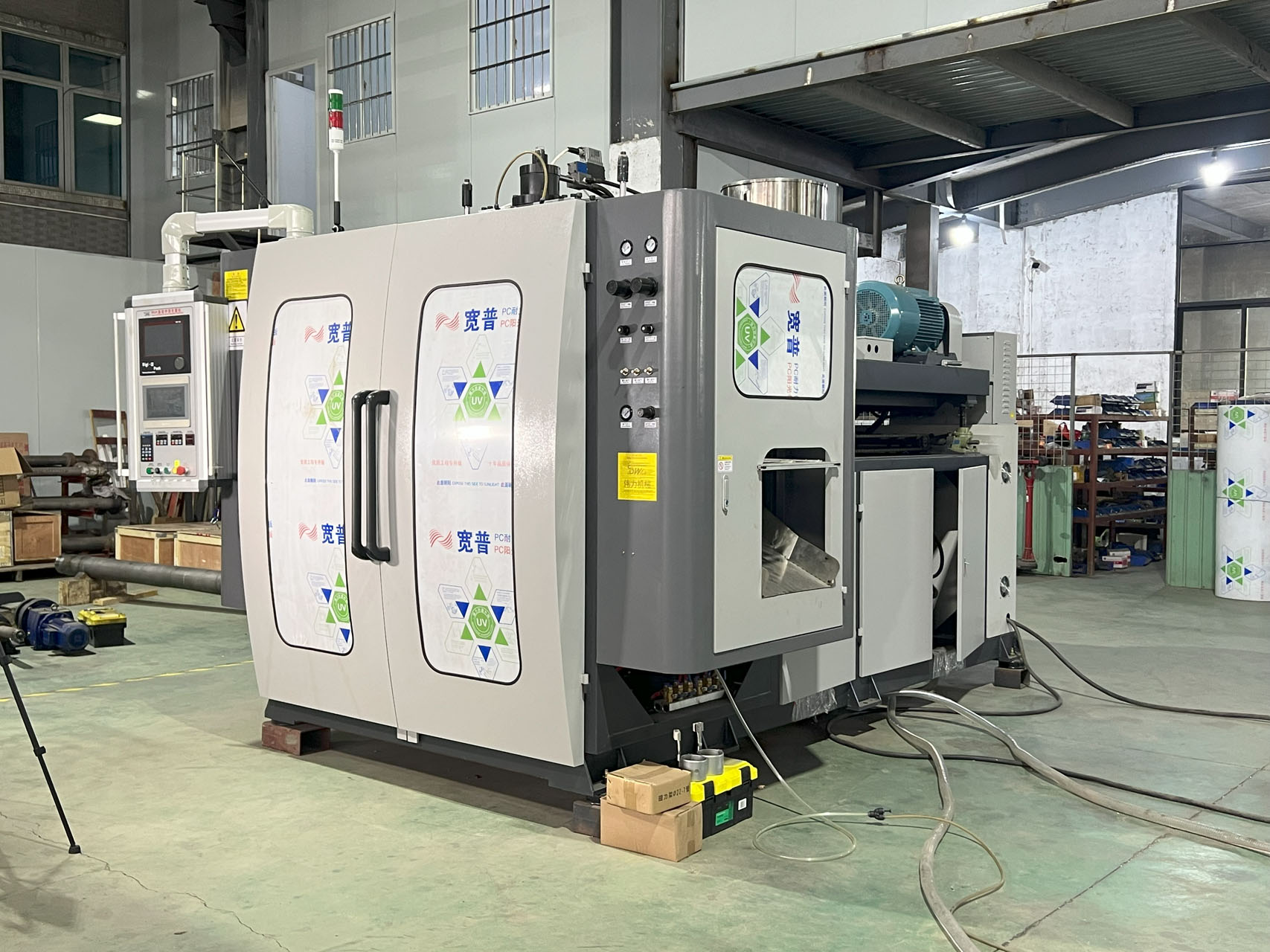
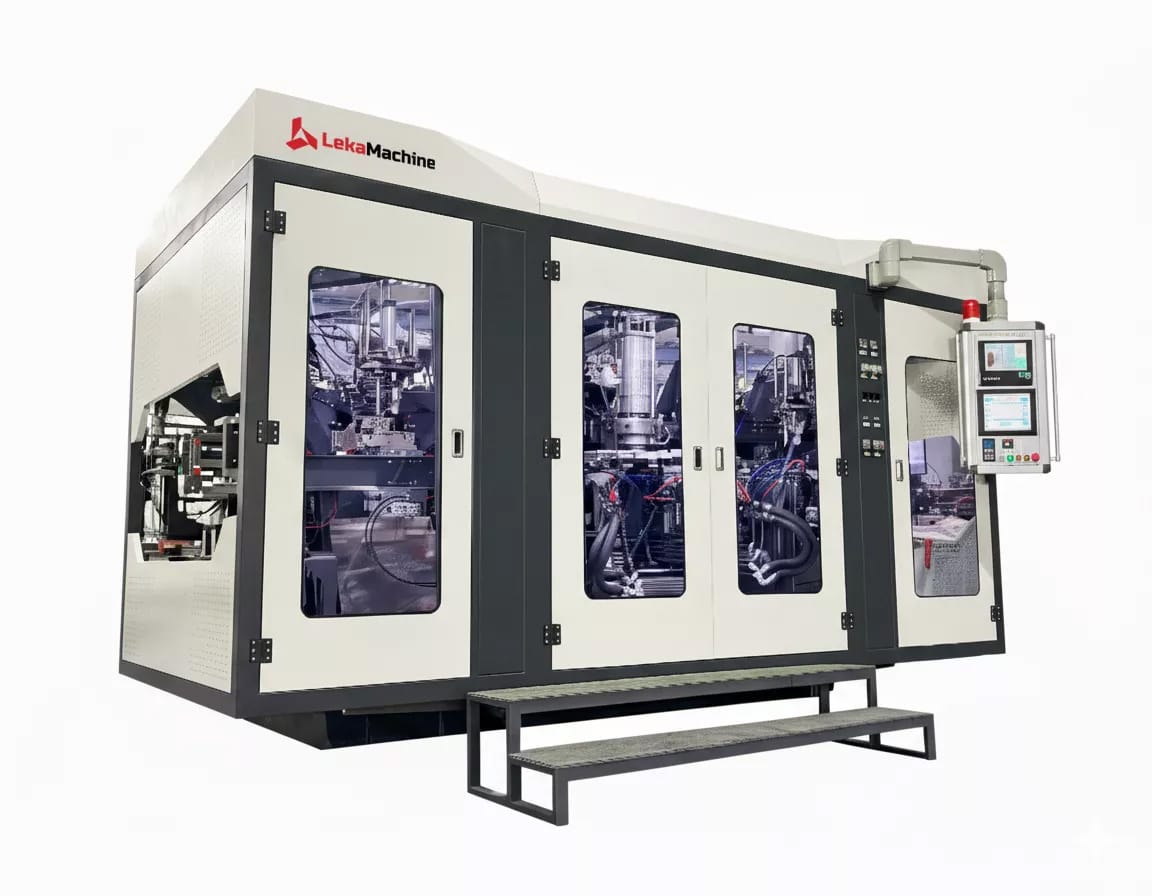
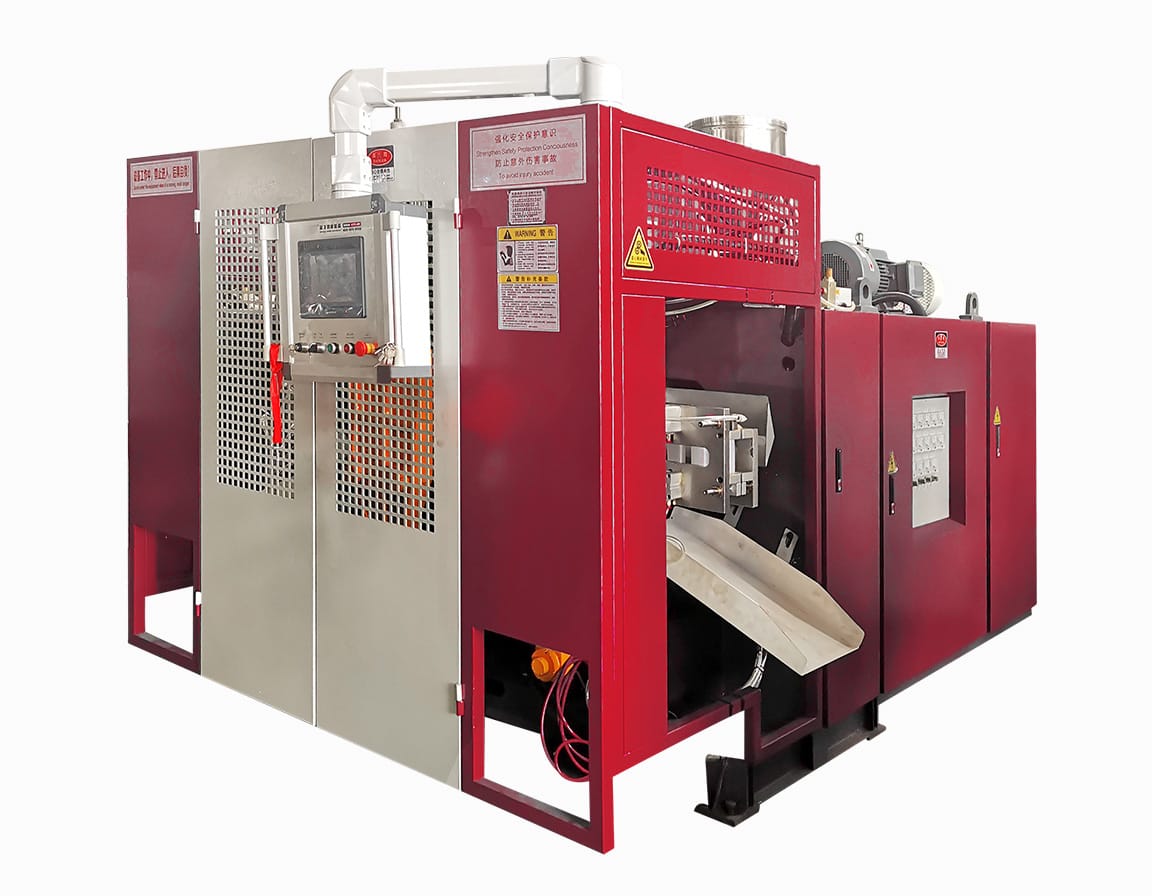
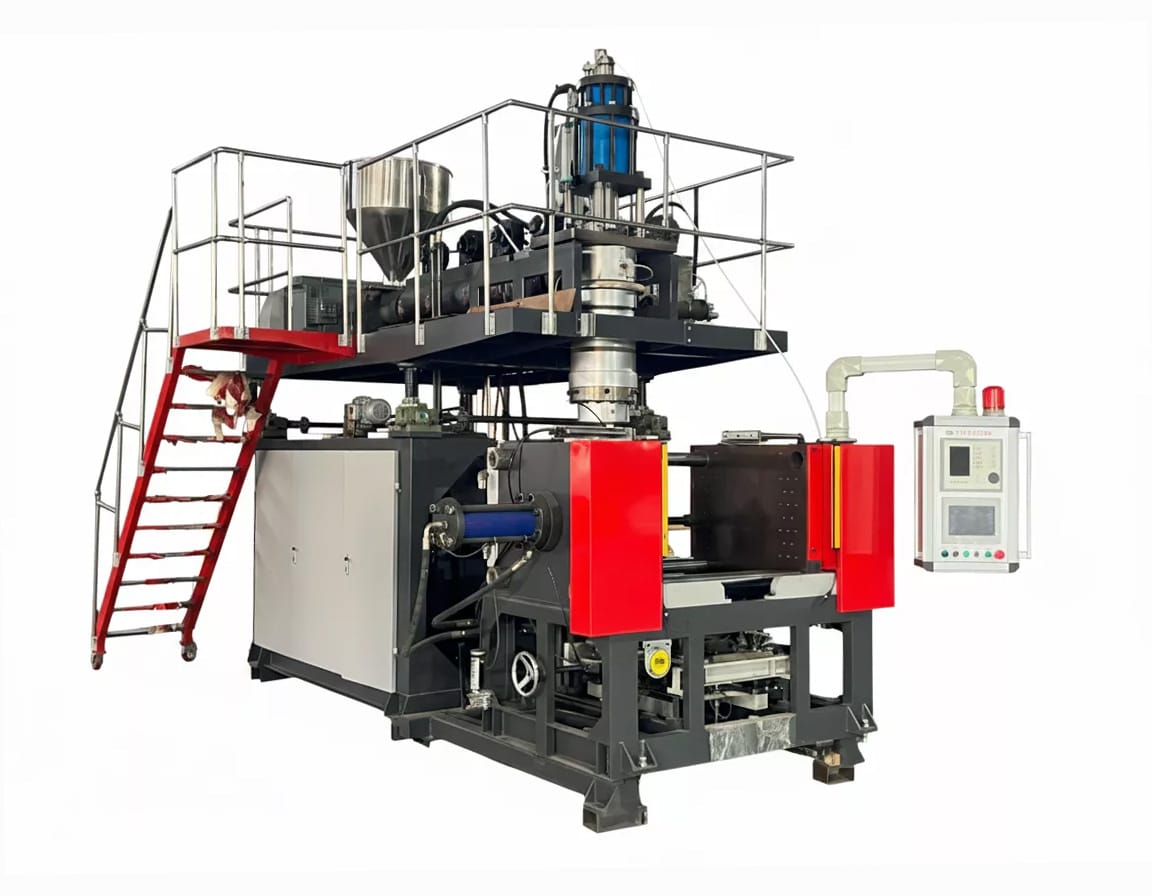
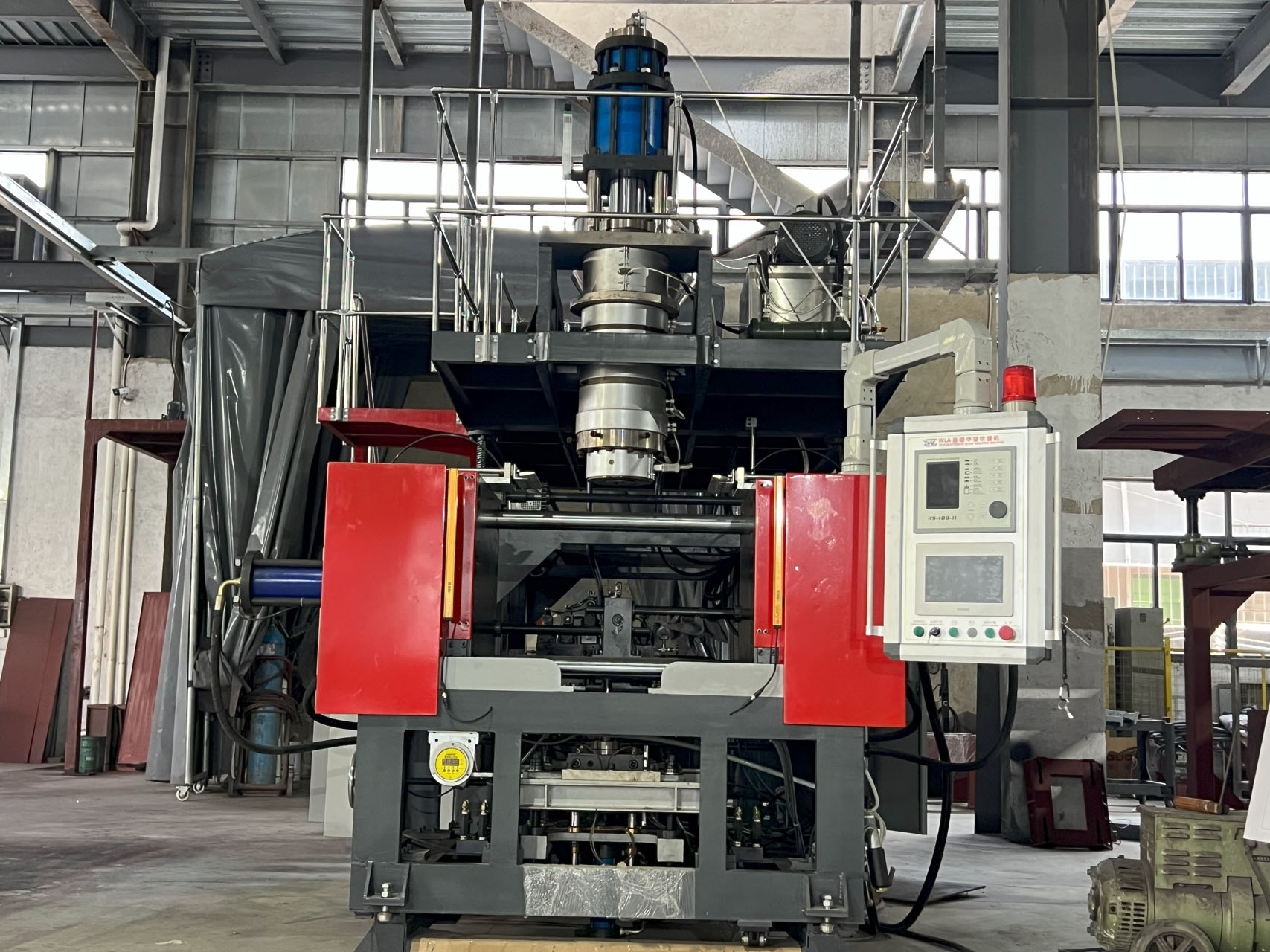
After years in the blow molding industry, I’ve seen firsthand how the right machinery can transform production lines. It’s not just about speed—it’s about precision, sustainability, and delivering “ride-or-die” reliability for your packaging needs.
From cosmetics to pharmaceuticals, the difference between a good product and a great one often comes down to the forming process. Whether you’re optimizing for cost, material efficiency, or design flexibility, the right approach can make all the difference.
If you’re weighing your options, remember: the best solutions aren’t just about today’s output—they’re about building a foundation for tomorrow’s success.
FAQ
Q1: What is plastic sheet forming?
A1: Plastic sheet forming is a manufacturing process where a plastic sheet is heated until pliable, then shaped over a mold to create a desired product. It includes techniques like thermoforming, vacuum forming, and pressure forming.
Q2: What are the types of plastic sheet forming processes?
A2: The main types of plastic sheet forming processes are thermoforming, vacuum forming, and pressure forming. Each method varies in technique and result, catering to specific manufacturing needs.
Q3: What materials are used in plastic sheet forming?
A3: Common materials used in plastic sheet forming include ABS, clear polycarbonate, PETG, and acrylic. Each material has distinct properties that influence its suitability for different applications.
Q4: What are the benefits of plastic sheet forming for manufacturers?
A4: Benefits of plastic sheet forming for manufacturers include cost-effectiveness, versatility in design, and the ability to produce complex shapes efficiently. It also allows for quick production with minimal waste.
Q5: How does the thermoforming process work?
A5: During the thermoforming process, a plastic sheet is heated to a pliable state, stretched over a mold, and then cooled to retain its shape. This process is commonly used to create a wide range of plastic products.
Q6: What is the difference between vacuum forming and pressure forming?
A6: Vacuum forming uses atmospheric pressure to draw a heated plastic sheet against a mold, while pressure forming applies additional air pressure to the heated sheet, allowing for more intricate designs and details.
Q7: What factors should manufacturers consider when using plastic sheet forming?
A7: Manufacturers should consider material costs, machine fit, speed of production, and design complexity when opting for plastic sheet forming processes.
Q8: What are common applications for thermoforming?
A8: Common applications of thermoforming include packaging trays, appliance housings, automotive parts, and medical devices, making it widely used across various industries.
External Links
- Thermoforming – Wikipedia
- Plastic Pressure Forming | Thermoforming – Universal Plastics
- Vacuum-Forming Plastics – Professional Plastics
- Thermoforming: A Guide to Plastic Manufacturing – STM Plastics
- What is Thermoforming – Productive Plastics Inc.
- Thermoforming Plastic Manufacturing, Explained – Lacerta
- Plastic Vacuum Forming | Thermoforming – Universal Plastics
- Easy to Thermoform Plastic Sheet Materials – Curbell Plastics


0 Comments