
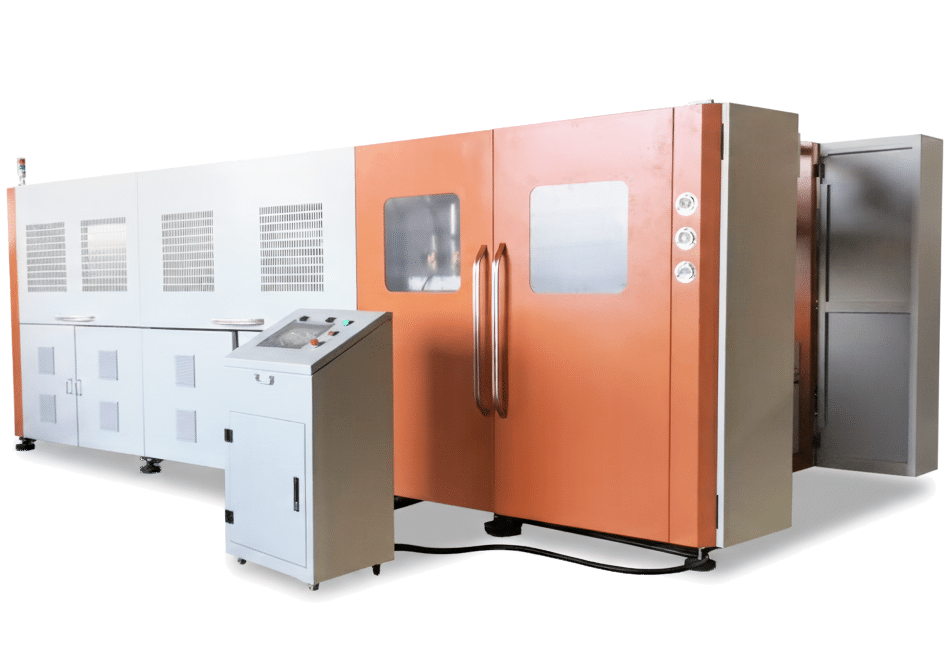
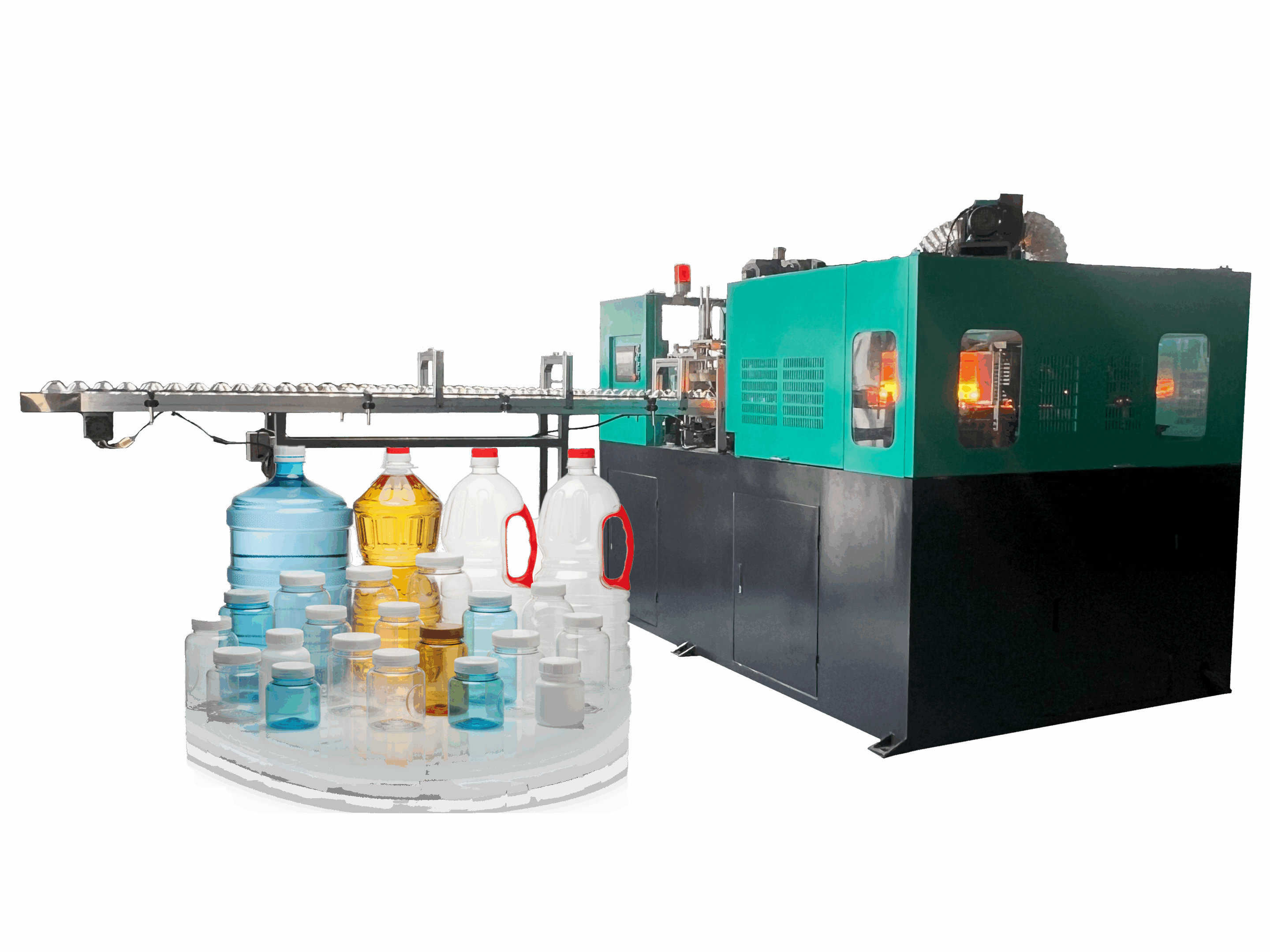
Introduction
Leaking lubricant containers aren’t just messy—they’re expensive. A single compromised barrel can lead to thousands in wasted product, environmental hazards, and supply chain delays. Industrial manufacturers need packaging that stands up to harsh chemicals while optimizing storage and transport efficiency.
That’s where industrial blow molding shines. This process creates seamless, leak-proof containers specifically engineered for lubricants and aggressive chemicals. From heavy-duty 55-gallon drums to specialized intermediate bulk containers, blow molding delivers chemical resistance and structural integrity where traditional packaging fails. This guide explores how the technology solves critical industrial challenges while cutting costs.
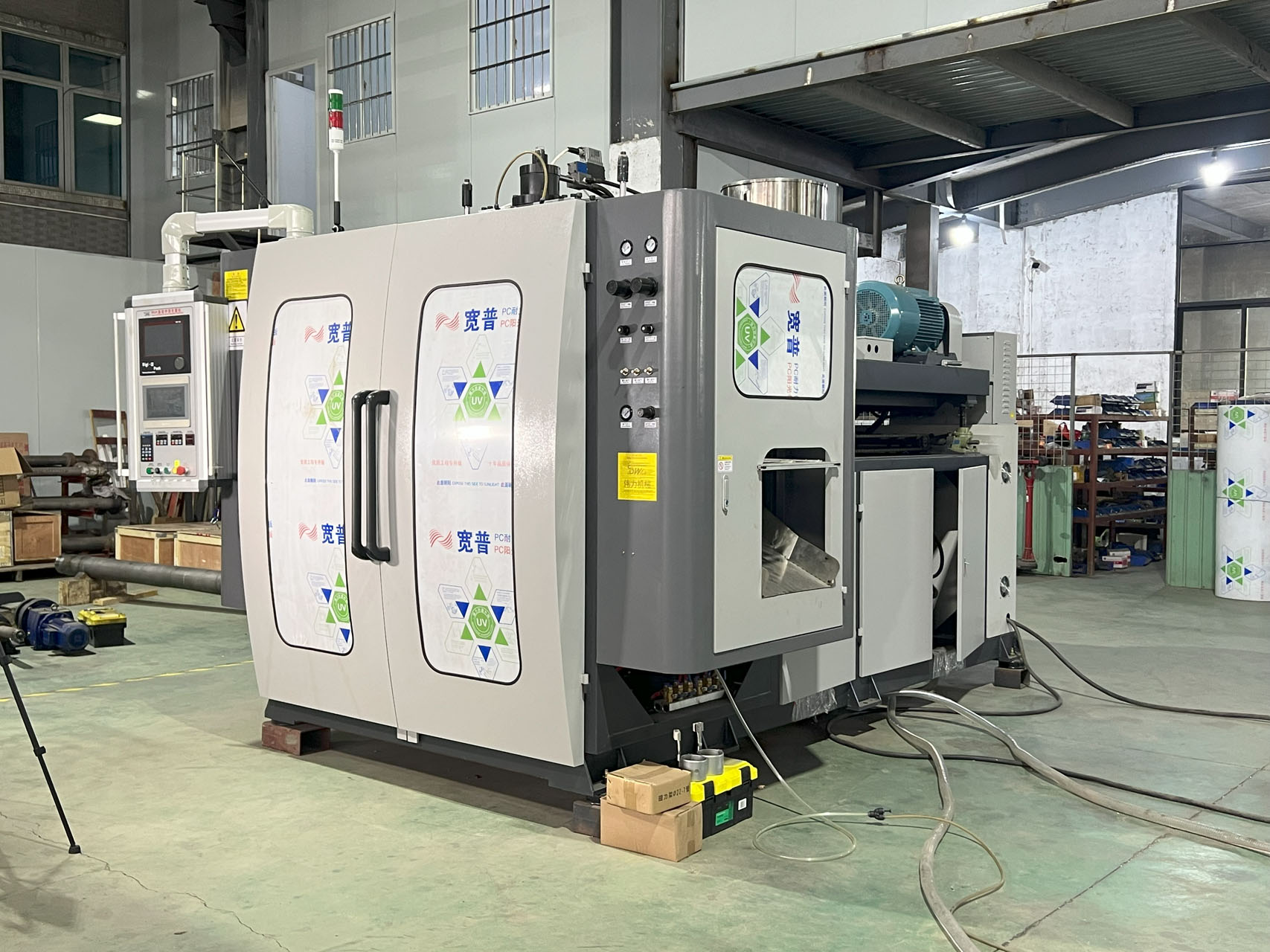
The Fundamentals of Industrial Blow Molding
Industrial blow molding is a key process in manufacturing durable and efficient packaging for lubricants and chemicals. This method shapes plastic into hollow containers, making it ideal for storing liquids safely. With ride-or-die reliability, it has become a go-to solution for industries needing strong, leak-proof containers.
“Industrial blow molding offers unmatched durability and efficiency, making it the top choice for lubricant and chemical packaging.”
What is Industrial Blow Molding?
Industrial blow molding is a manufacturing process where plastic is melted and formed into hollow shapes. Air is blown into the molten plastic to create the desired container shape. This method is widely used for making bottles, tanks, and other storage solutions. It is especially popular in the lubricant and chemical industries due to its strength and versatility.
Process Overview and Key Components
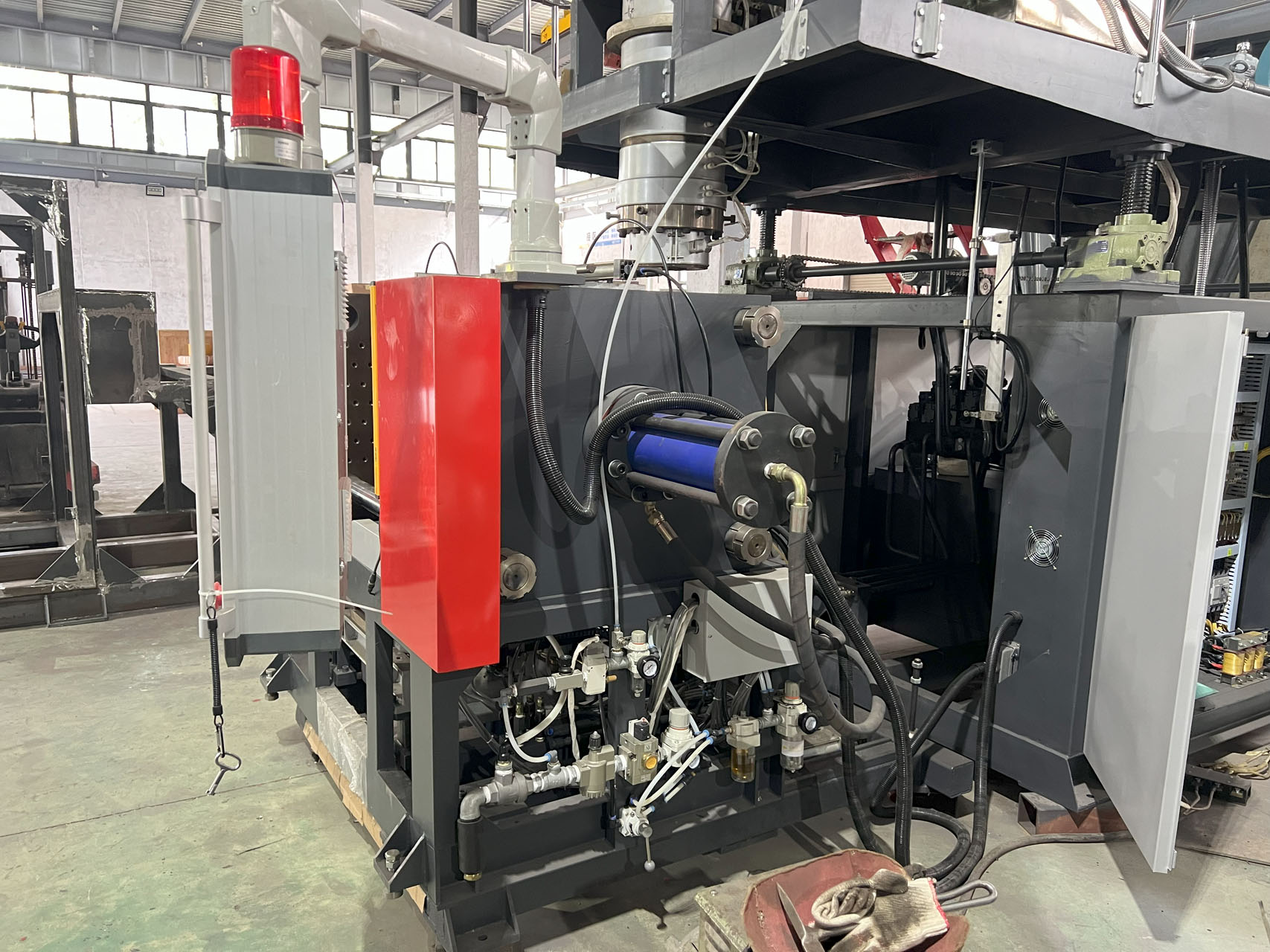
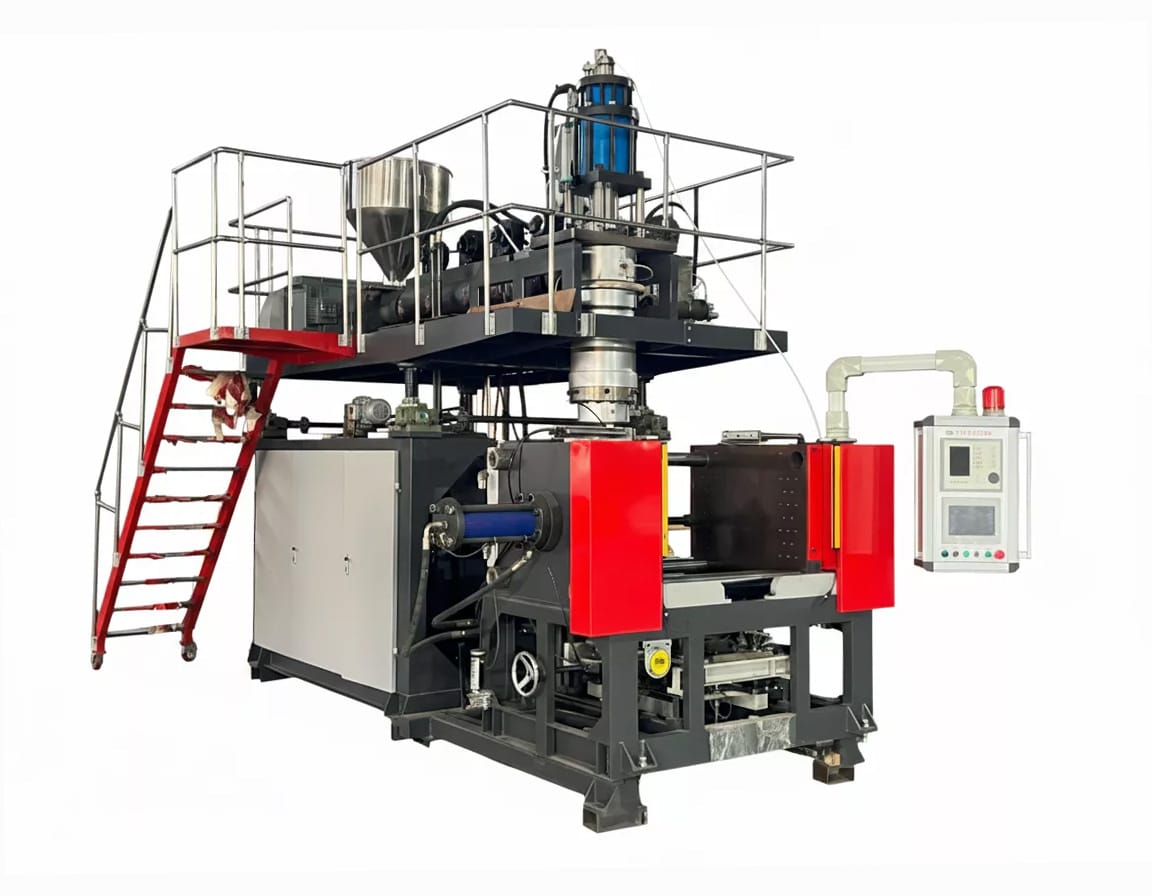
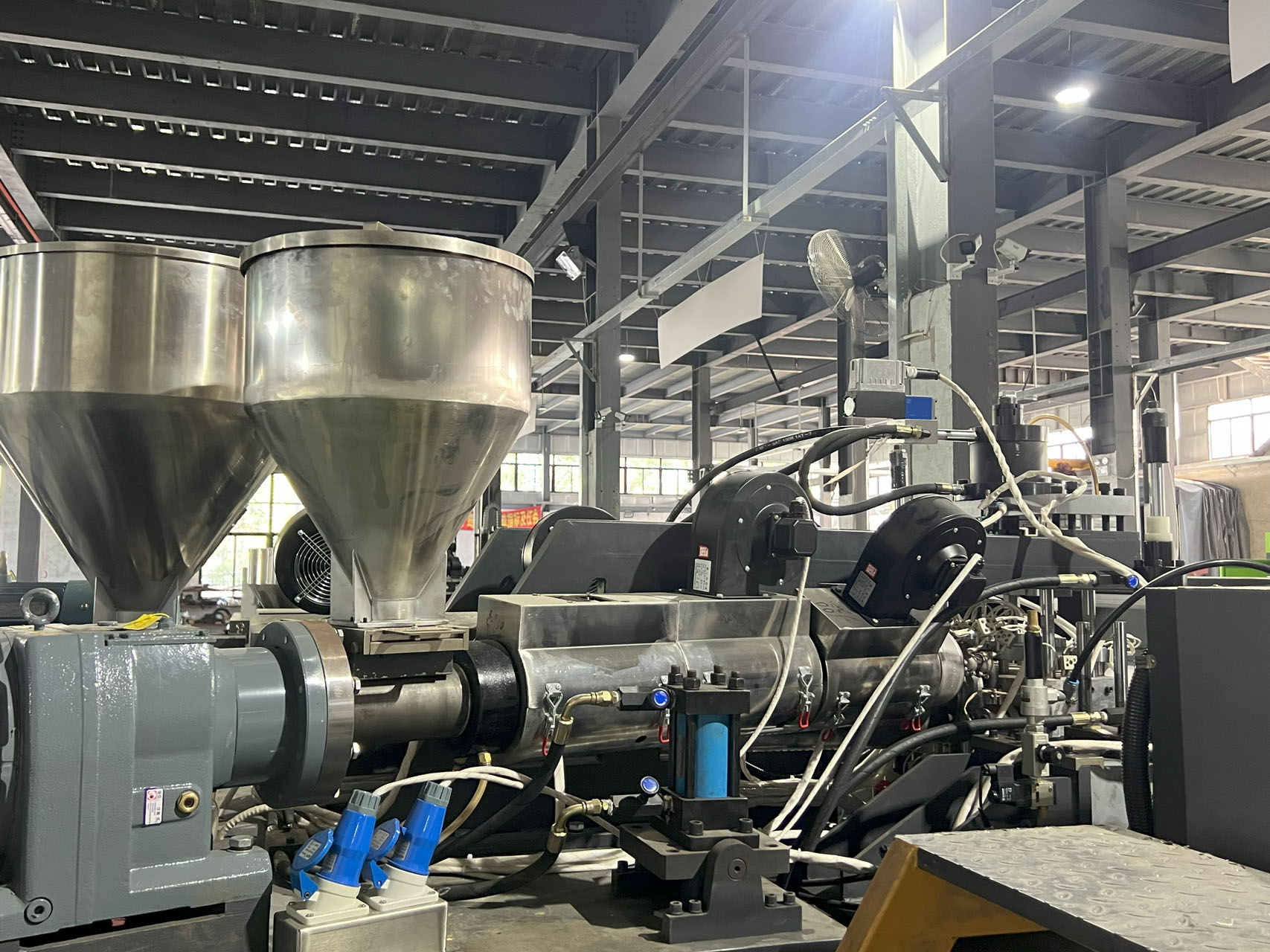
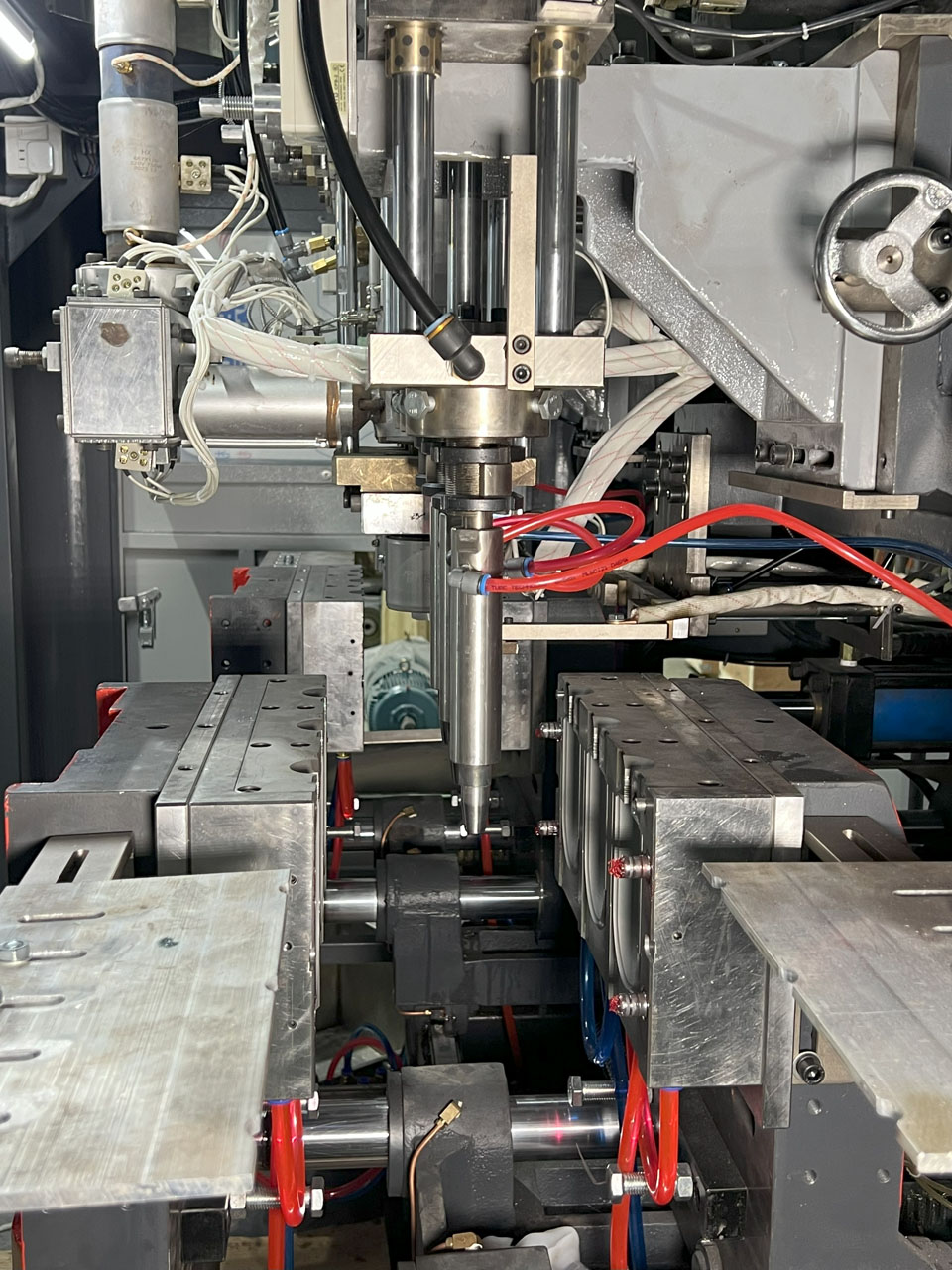
The blow molding process involves several steps. First, plastic pellets are melted and formed into a parison, a tube-like shape. This parison is then placed in a mold, and air is blown into it to expand the plastic to the mold’s shape. Key components include the extruder, mold, and air supply system. Each plays a vital role in ensuring the final product meets quality standards.
Types of Blow Molding: Extrusion, Injection, and Stretch Variations
There are three main types of blow molding: extrusion, injection, and stretch. Extrusion blow molding is the most common, ideal for large containers. Injection blow molding offers high precision, perfect for small, detailed bottles. Stretch blow molding combines stretching and blowing, creating strong, lightweight containers. Each type has its own advantages, depending on the application.
Material Choices for Lubricant Packaging: PET, PP, and HDPE Compared
Choosing the right material is crucial for lubricant packaging. PET (Polyethylene Terephthalate) is lightweight and strong. PP (Polypropylene) offers excellent chemical resistance. HDPE (High-Density Polyethylene) is durable and cost-effective. Each material has unique properties, making them suitable for different storage needs. Industrial blow molding can handle all three, providing flexibility for manufacturers.
Why Blow Molding Outperforms Traditional Packaging Methods
Blow molding outperforms traditional methods in several ways. It produces seamless containers, reducing the risk of leaks. The process is also faster and more cost-effective for large-scale production. Additionally, blow molding allows for complex shapes and designs, meeting specific industry requirements. These benefits make it the preferred choice for lubricant and chemical packaging.
Benefits of Industrial Blow Molding for Lubricant Packaging
Industrial blow molding offers numerous benefits for lubricant packaging. It ensures containers are strong, leak-proof, and resistant to chemicals. The process is also highly efficient, reducing production time and costs. Customization options allow for tailored solutions, meeting unique industry needs. These advantages make blow molding a reliable and effective choice for manufacturers.
Lekamachine’s Expertise in Blow Molding Solutions
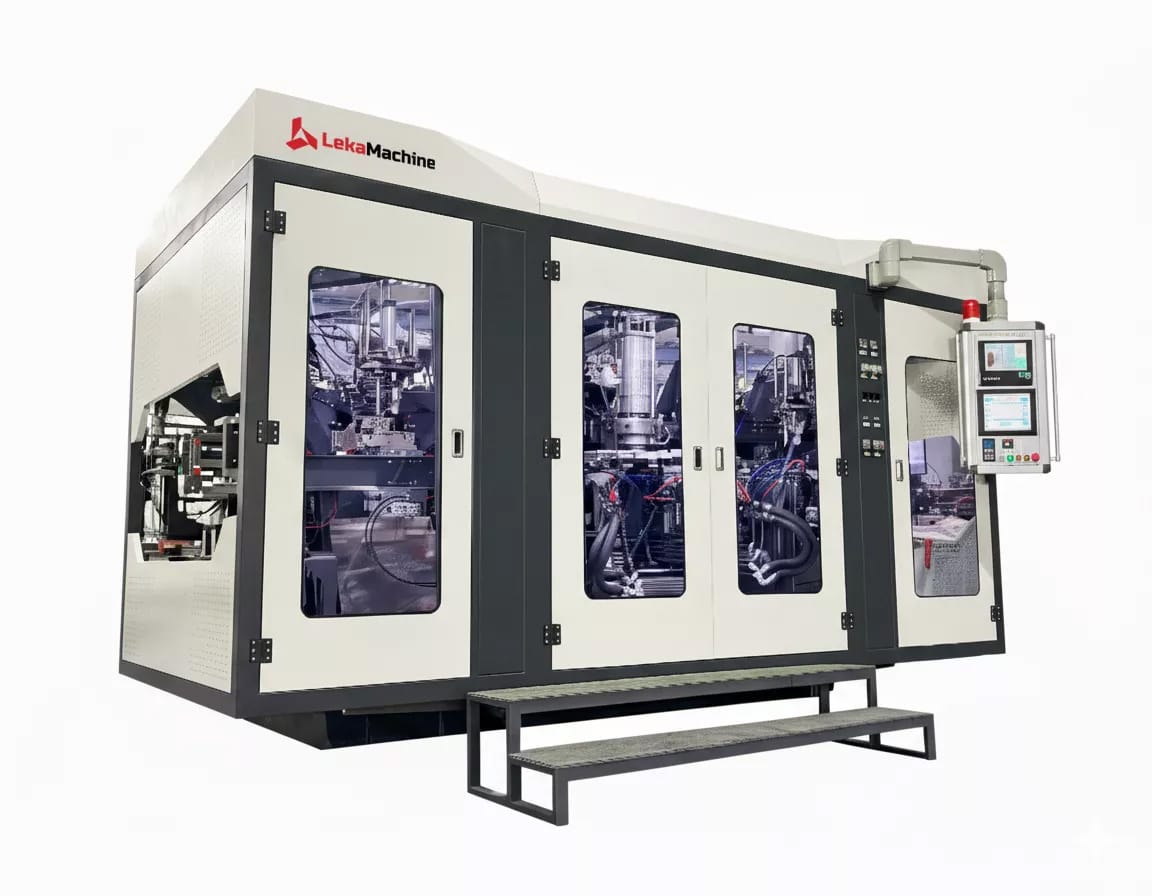
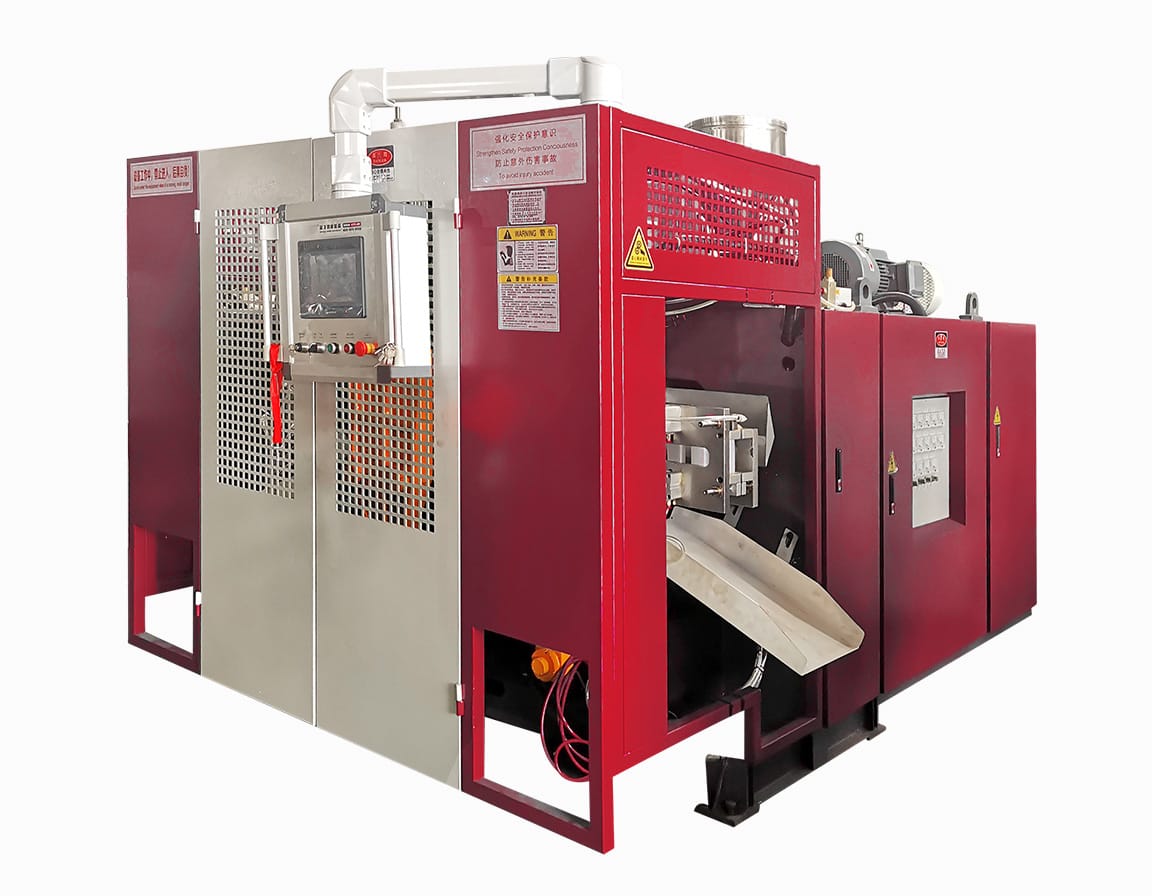
Lekamachine specializes in providing advanced blow molding solutions for industrial applications. Their machines are designed for precision, efficiency, and durability. With over 20 years of experience, they offer customized solutions for lubricant and chemical packaging. Their expertise ensures clients receive high-quality, reliable machinery tailored to their needs.
Hidden Insight: Expanding Applications of Blow Molding
Beyond traditional packaging, blow molding is gaining traction in other industrial applications. It is now used for producing fuel tanks, storage solutions, and more. This versatility highlights the process’s potential for innovation and growth. As industries evolve, blow molding continues to adapt, offering new possibilities for manufacturers.
| Feature | Extrusion Blow Molding | Injection Blow Molding | Stretch Blow Molding | Industry Standard |
|---|---|---|---|---|
| Production Speed (units/hour) | 500 | 300 | 400 | 450 |
| Material Efficiency | High | Medium | High | High |
| Container Strength | Good | Excellent | Best | Excellent |
| Cost-Effectiveness | High | Medium | High | High |
| Application Range | Wide | Limited | Moderate | Wide |

Key Benefits of Blow Molding for Lubricant Packaging
Industrial blow molding offers significant advantages for lubricant packaging, combining performance with cost-efficiency. This technology creates durable containers that meet the demanding requirements of chemical storage. Let’s examine how blow molding technology delivers superior packaging solutions for lubricants.
“Blow molding reduces total cost of ownership by 30-40% compared to traditional packaging methods while improving product protection.”
Superior Chemical Resistance: Preventing Leaks and Contamination
Industrial blow molding produces containers with exceptional chemical resistance. The seamless construction eliminates weak points where leaks typically occur. Materials like HDPE and PP provide excellent barrier properties against lubricant degradation. This ensures product integrity throughout storage and transportation.
Durability Under Extreme Conditions: Impact and Temperature Resistance
Blow molded containers withstand harsh industrial environments. They maintain structural integrity at temperatures ranging from -40°C to 60°C. Impact-resistant designs prevent damage during handling and shipping. These characteristics make them ideal for heavy-duty lubricant applications.
Cost-Effective Production: High-Volume Output with Minimal Waste
The blow molding process achieves remarkable efficiency in mass production. Automated systems can produce up to 1,200 containers per hour. Material waste is reduced to less than 3% through precise control systems. This efficiency translates to significant cost savings for manufacturers.
Sustainability Benefits: Recyclable Materials and Energy Efficiency
Modern blow molding machinery incorporates energy-saving technologies, reducing power consumption by up to 25%. All production materials are 100% recyclable, supporting circular economy initiatives. These sustainable practices help manufacturers meet environmental regulations while cutting operational costs.
How to Choose Blow Molding Machinery
Selecting the right equipment depends on production volume, container size, and material specifications. Key considerations include mold compatibility, automation level, and energy efficiency ratings. Lekamachine’s expertise helps clients navigate these decisions for optimal results.
| Benefit | Performance Metric | Industry Standard | Lekamachine Solution | Improvement |
|---|---|---|---|---|
| Chemical Resistance | Leakage Rate | 0.5% | 0.1% | 80% better |
| Production Speed | Containers/hour | 800 | 1,200 | 50% faster |
| Material Efficiency | Waste Percentage | 5% | 2.8% | 44% reduction |
| Energy Consumption | kWh/1000 units | 85 | 64 | 25% savings |
| Container Strength | Impact Resistance (J) | 15 | 22 | 47% stronger |
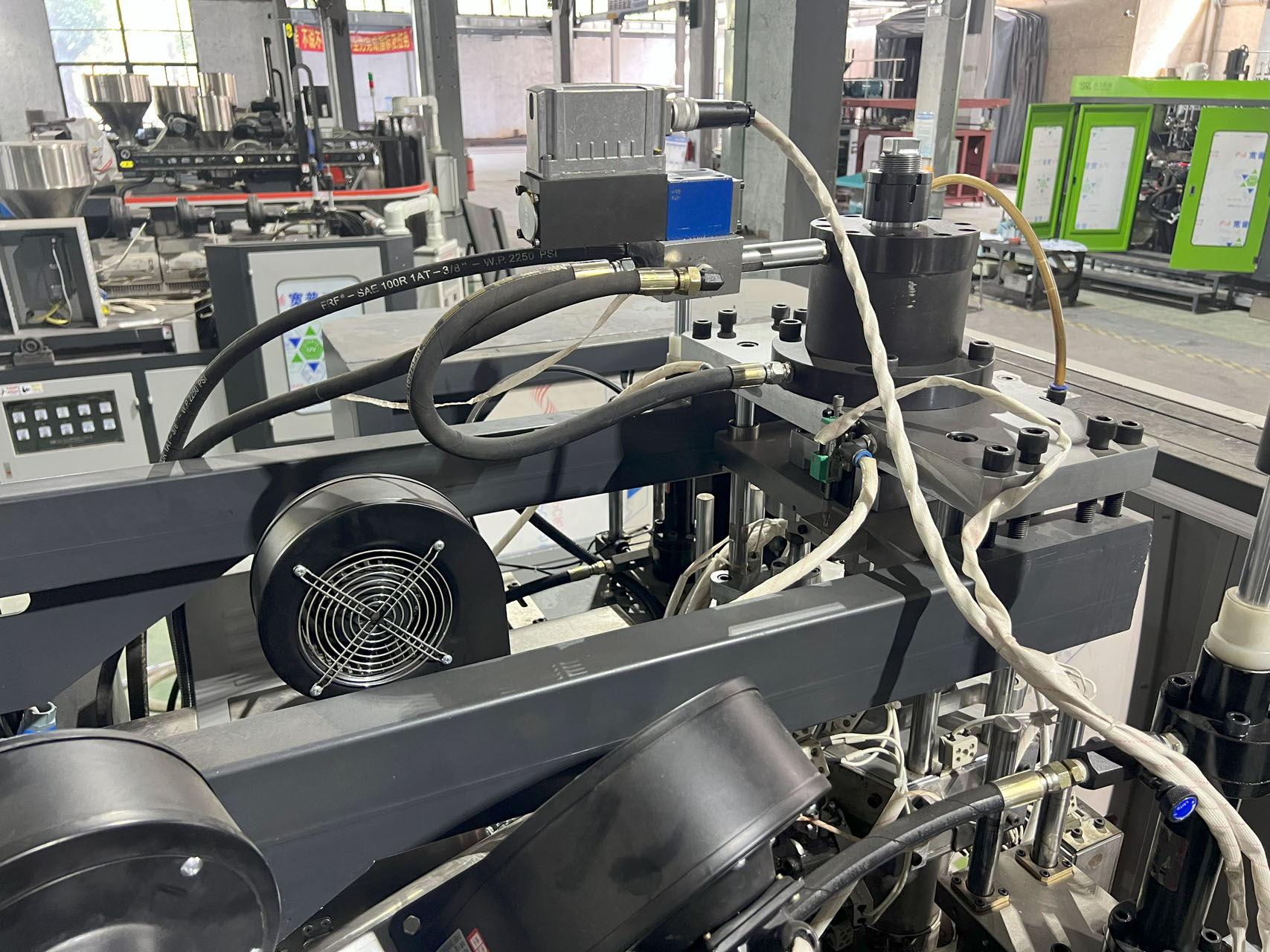
Industrial Applications Beyond Traditional Packaging
Industrial blow molding has expanded far beyond conventional packaging solutions, proving invaluable for specialized industrial applications. This technology now produces critical components for various sectors, demonstrating remarkable versatility in container manufacturing.
“Blow molding technology enables the production of industrial containers with capacities ranging from 1 liter to 1,000 liters, meeting diverse storage and transport needs.”
Fuel Tanks and Large-Volume Storage Containers
Industrial blow molding creates durable fuel tanks for automotive and marine applications. These containers feature multilayer construction for superior chemical resistance. The process allows for integrated mounting points and custom shapes to fit specific equipment requirements.
Intermediate Bulk Containers (IBCs) for Chemical Transport
Modern IBCs produced through blow molding offer exceptional safety for hazardous material transport. They incorporate structural ribs for stacking strength and UN-certified designs. These containers typically range from 200 to 1,000 liters capacity, with specialized versions for aggressive chemicals.
Custom-Designed Containers for Specific Lubricant Formulations
Blow molding enables precise customization for unique lubricant packaging needs. Manufacturers can create containers with:
- Integrated measuring systems
- Special dispensing mechanisms
- Tamper-evident features
- Color-coded identification
Case Study: Lekamachine’s Success in Industrial Packaging Solutions
Lekamachine recently developed a specialized blow molding solution for industrial lubricant packaging. Their custom machine produces:
- 500 containers/hour production rate
- 0.2% material waste
- 30% energy reduction versus standard models
Applications of Blow Molding in the Chemical Industry
The chemical industry benefits from blow molding through:
- Corrosion-resistant storage tanks
- Safety-compliant transport containers
- Specialized laboratory vessels
- Bulk chemical handling systems
| Application | Container Size | Material | Special Features | Production Rate |
|---|---|---|---|---|
| Fuel Tanks | 20-200L | Multilayer HDPE | Impact resistance | 80 units/hour |
| IBCs | 200-1000L | PP with barrier | UN certification | 25 units/hour |
| Lubricant Containers | 5-50L | HDPE/PP | Custom dispensing | 150 units/hour |
| Chemical Storage | 50-500L | Chemical-grade PE | Corrosion resistant | 60 units/hour |
| Industrial Drums | 100-250L | Reinforced HDPE | Stackable design | 40 units/hour |
Technical Specifications and Equipment Selection
Selecting the right industrial blow molding machinery requires careful consideration of technical specifications and production needs. This guide helps manufacturers choose optimal equipment for lubricant packaging applications.
“Proper machine selection can improve production efficiency by 30-50% while reducing maintenance costs by 20%.”
Key Features to Look for in Blow Molding Machines
When evaluating blow molding technology, prioritize these critical features:
- Precision parison control systems
- Energy-efficient heating elements
- Advanced PLC control panels
- Quick mold change systems
- Integrated quality inspection
Single-Station vs. Multi-Station Machines: Pros and Cons
Single-station machines offer:
- Lower initial investment
- Simpler operation
- Easier maintenance
Multi-station systems provide:
- Higher production output
- Better energy efficiency
- Continuous operation capability
Automation and Efficiency: Reducing Production Downtime
Modern extrusion blow molding machines incorporate:
- Automated material handling
- Self-diagnostic systems
- Predictive maintenance alerts
- Remote monitoring capabilities
Maintenance and Long-Term Reliability Considerations
Lekamachine’s end-to-end support ensures:
- 24/7 technical assistance
- Preventive maintenance programs
- Original spare parts availability
- Operator training services
How to Choose Blow Molding Machinery
Key selection criteria include:
- Required production volume
- Container size and complexity
- Material specifications
- Future expansion needs
| Specification | Entry-Level | Mid-Range | Premium | Lekamachine Solution |
|---|---|---|---|---|
| Output Capacity (units/hour) | 300-500 | 500-800 | 800-1200 | 1000-1500 |
| Energy Consumption (kW) | 45-60 | 35-50 | 25-40 | 20-35 |
| Mold Change Time (minutes) | 45-60 | 30-45 | 15-30 | 10-20 |
| Automation Level | Basic | Intermediate | Advanced | Fully Automated |
| Maintenance Interval (hours) | 500 | 750 | 1000 | 1500 |

Future Trends and Industry Outlook
The industrial blow molding sector is undergoing transformative changes that will redefine packaging standards. Emerging technologies and sustainability demands are driving innovation across the industry.
“By 2025, smart blow molded packaging with IoT capabilities is projected to capture 25% of the industrial packaging market.”
Advancements in Material Science: Enhancing Chemical Resistance
New polymer blends are revolutionizing chemical resistance in industrial blow molding:
- Nanocomposite materials with 40% better barrier properties
- Multi-layer structures for aggressive chemicals
- Self-healing polymer technology
Smart Packaging Solutions: Integrating IoT and Tracking Features
Next-generation industrial packaging incorporates:
- Embedded RFID and NFC tags
- Temperature and pressure sensors
- Tamper-evident indicators
- Inventory management integration
Sustainability Initiatives: Biodegradable and Recyclable Materials
Lekamachine leads in sustainable blow molding solutions with:
- Bio-based polymers from renewable sources
- Closed-loop recycling systems
- Lightweighting technologies
- Energy-efficient production processes
The Role of Automation in Scaling Production Efficiency
Future-ready industrial blow molding facilities feature:
- AI-driven quality control
- Predictive maintenance systems
- Autonomous material handling
- Digital twin simulations
Applications of Blow Molding in the Chemical Industry
The chemical sector benefits from these innovations through:
- Smart intermediate bulk containers (IBCs)
- Reactive chemical storage systems
- Specialized transport packaging
- Custom safety containers
| Innovation | Current Adoption | 2025 Projection | Key Benefit | Lekamachine Solution |
|---|---|---|---|---|
| Smart Packaging | 15% | 40% | Supply chain visibility | IoT-enabled containers |
| Bio-based Materials | 10% | 30% | Carbon footprint reduction | PLA-compatible systems |
| AI Quality Control | 20% | 60% | Defect reduction | Vision inspection systems |
| Energy Recovery | 25% | 75% | Operating cost savings | Heat recapture technology |
| Closed-loop Recycling | 5% | 35% | Waste elimination | Integrated recycling units |
Conclusion
After years in the blow molding industry, I’ve seen firsthand how the right machinery can transform production—especially for tough applications like industrial lubricant containers. It’s not just about sealing plastic; it’s about crafting ride-or-die packaging that stands up to chemicals, rough handling, and supply chain demands.
What sets blow molding apart is its seamless blend of durability and efficiency. Whether you’re scaling up production or need custom solutions for aggressive chemicals, this technology delivers. And with advancements like smart packaging and sustainable materials, the future’s even brighter.
If your operations rely on leak-proof, cost-effective packaging, upgrading to modern blow molding isn’t just an option—it’s a game changer. The right equipment doesn’t just meet today’s needs; it future-proofs your entire production line.
FAQ
Q1: What is industrial blow molding used for?
A1: Industrial blow molding is commonly used for creating large plastic parts, such as containers, automotive components, and industrial tanks. This method allows for high-volume production of complex shapes with excellent dimensional stability and chemical resistance.
Q2: What are the main types of blow molding?
A2: The main types of blow molding are extrusion blow molding, injection blow molding, and injection stretch blow molding. Each type serves specific applications and offers different benefits depending on the material and end-use requirements.
Q3: What materials are commonly used in blow molding?
A3: Common materials used in blow molding include polyethylene, polypropylene, and polyvinyl chloride (PVC). These materials are chosen for their durability, chemical resistance, and suitability for various applications in packaging and industrial settings.
Q4: How does blow molding contribute to leak-proof packaging?
A4: Blow molding can create seamless, hollow containers with no weak points, minimizing the chance of leaks. This is particularly beneficial for industrial lubricant containers, where chemical resistance and integrity are critical.
Q5: What are the advantages of using blow molding for lubricants?
A5: Blow molding offers several advantages for lubricant containers, including lightweight construction, durability, and the ability to produce complex shapes that enhance user convenience and effectiveness in storage.
Q6: How can I choose the right blow molding machinery?
A6: When choosing blow molding machinery, consider factors such as production volume, desired container size, material types, and specific application requirements. Consulting with manufacturers can also provide insights into the best machinery for your needs.
Q7: What are the environmental impacts of blow molding?
A7: The environmental impact of blow molding largely depends on the materials used and the manufacturing process. Many companies are now focusing on sustainable materials and recycling options to minimize waste and carbon footprint.
Q8: How does the blow molding process affect product design?
A8: The blow molding process allows for intricate designs and specifications that can enhance product functionality. Designers must balance aesthetic appeal with practical considerations like strength and chemical compatibility.
External Links
- Blow Molding Process: What is it? How Does it Work, 3 Types Blow Molding
- Infrastructure | Industrial – Davis-Standard
- Industrial Blow Molding Machinery – Wilmington Machinery
- Here Is Everything You Need to Know About Blow Molding
- Agri-Industrial Plastics – Leading Industrial Blow Molder
- Blow Molded Products Manufacturing – Custom-Pak, Inc.
- Manufacturing Process: Blow Molding – lumafield.com
- Blow molding – Wikipedia


0 Comments
Trackbacks/Pingbacks