
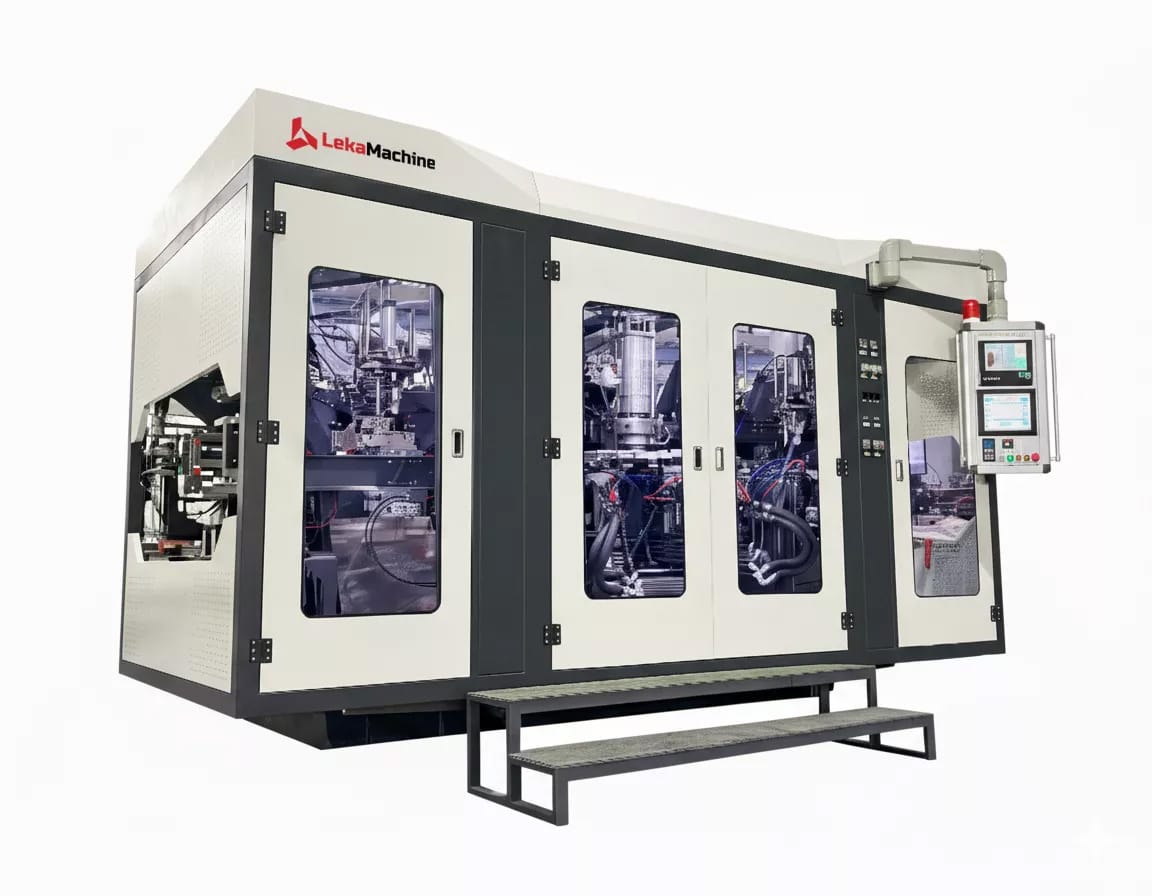
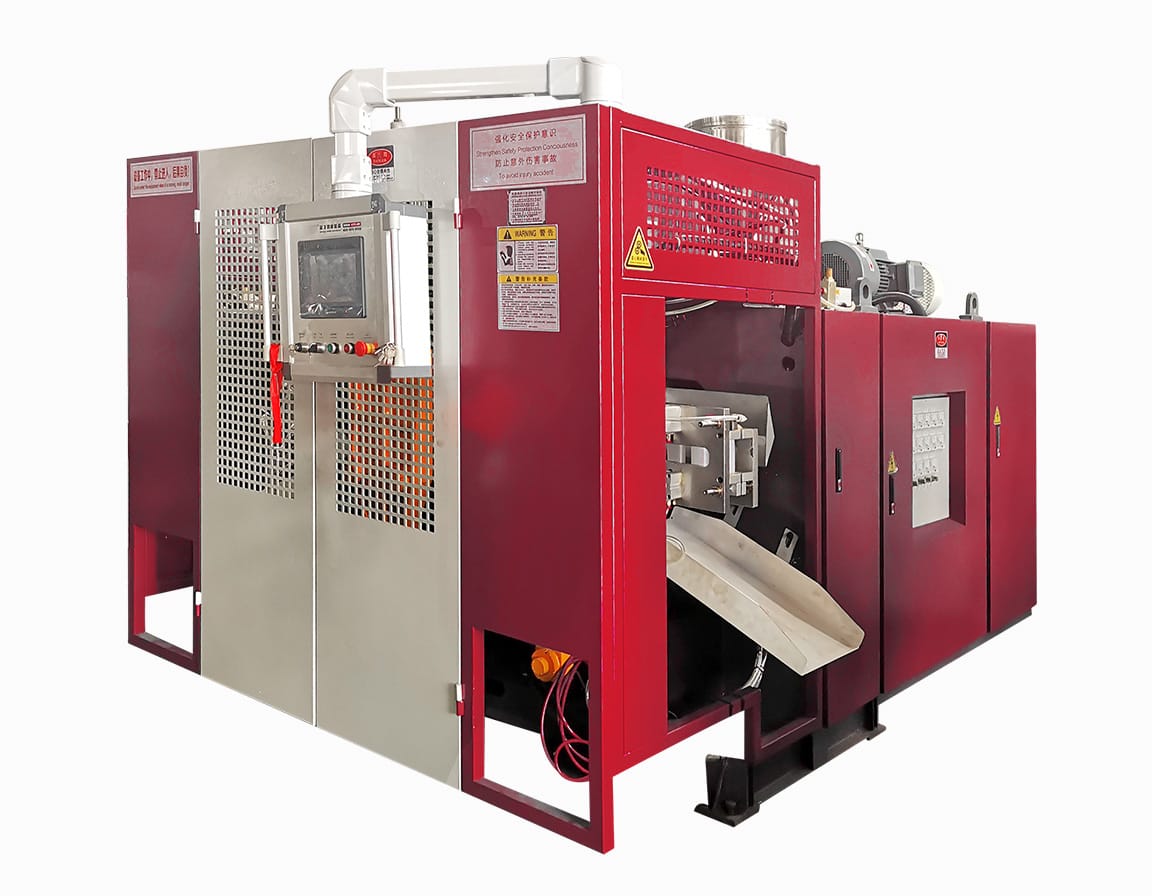
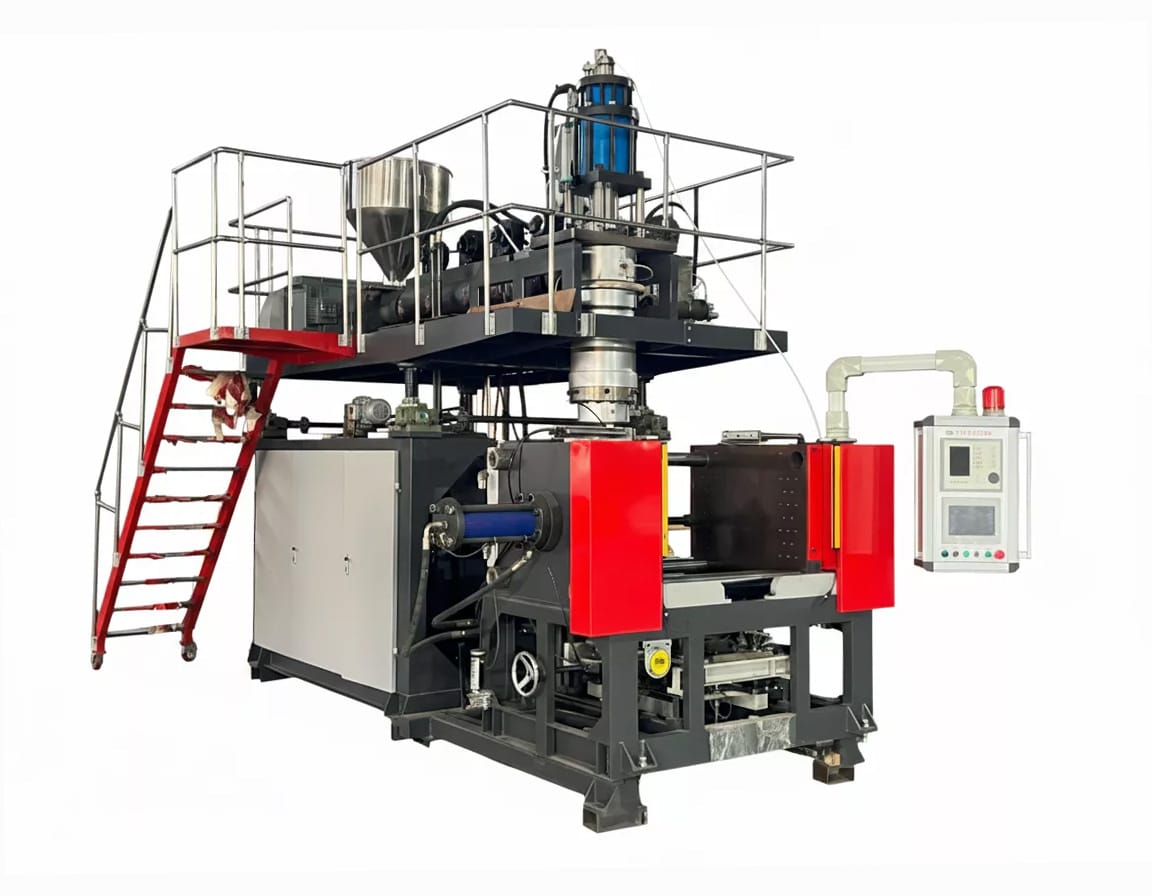
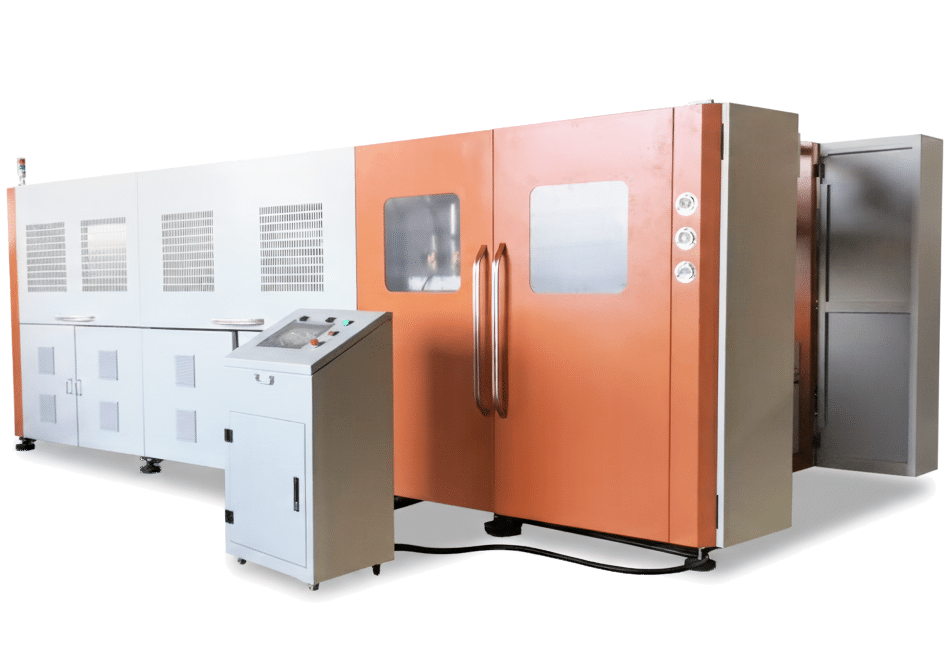
How do I verify the sensitivity of liquid level alarms on an all-electric blow molding machine?
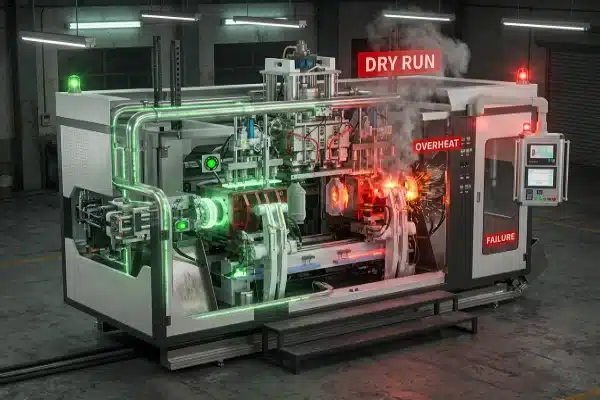
At our production facility, we know that a missed low-level alarm can cause catastrophic downtime instantly. If sensors fail to trigger during a leak, your production halts unexpectedly, potentially destroying profit margins and damaging internal components.
To confirm sensitivity, physically trigger sensors to verify the "Dual-Stage" logic separates warnings from critical stops. Simulate faults by closing valves to test if the PLC logs the event within seconds. Ensure the HMI records precise timestamps, proving the system reacts before dry-running damages expensive components.
Let’s examine the specific testing protocols we recommend to ensure your machine’s safety systems are foolproof.
capacitive sensors 1
How can I simulate a low lubrication level to test the alarm response time?
When we calibrate machines before shipment, we see that relying solely on software indicators is dangerous. A real-world simulation is the only way to guarantee safety, especially since all-electric machines utilize heavy grease rather than fluid oil.
superior reliability 2
You must physically lower the grease follower plate or drain the reservoir to trigger the sensor. Watch the HMI to ensure the "Low Level Warning" activates immediately, followed by a machine stop if the level drops further. This confirms the sensor’s "Debounce" timer prevents false alarms without delaying critical protection.
industrial automation leaders 3
The Challenge of "Grease Tunneling"
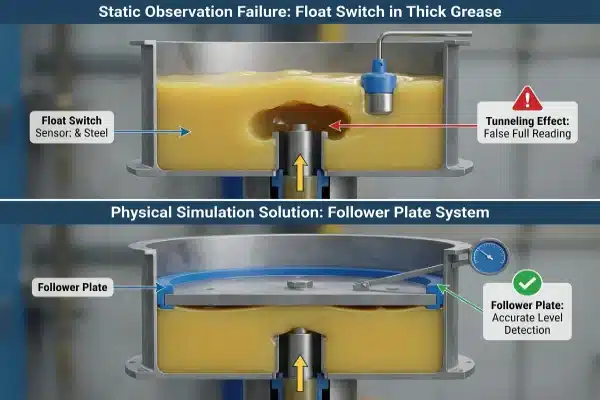
In our engineering analysis, we often find that standard float switches—common on hydraulic machines—are utterly useless for the automatic lubrication systems found on all-electric blow molding machines. All-electric toggles require NLGI Grade 0 or 1 grease, which is viscous. If you use a simple dipstick or float, the pump may suck a cavity (tunnel) underneath the sensor. The sensor thinks the tank is full because the grease surface hasn’t moved, but the pump is actually sucking air.
To verify sensitivity here, you must look for a Magnetic Follower Plate. This is a weighted plate that sits on top of the grease and physically descends as grease is consumed. During your FAT (Factory Acceptance Test), we recommend physically pushing this plate down to simulate an empty tank.
Logic Verification: Consumption vs. Level
Modern control systems should not just look for a static level; they should analyze flow. We program our PLCs to calculate "Grease Strokes per 1,000 Cycles." If the level sensor does not move down after a set number of machine cycles, the system should trigger a "Low Consumption" alarm. This indicates a blocked distributor or a broken line.
Here is a comparison of how different verification methods perform:
| Verification Method | What It Tests | Reliability Level | Common Failure Mode |
|---|---|---|---|
| Static Float Check | Surface level only | Low (for grease) | "Tunneling" (pump creates air pocket below surface) |
| Follower Plate Test | Physical volume | High | Plate getting stuck on reservoir walls |
| Consumption Logic | Rate of usage | Very High | Incorrect parameter setup in PLC |
Visual Redundancy
While electronic monitoring is vital, we always insist on a secondary visual check. Electronic sensors can fail in the "closed" position, sending a "safe" signal even when empty. Ensure that every reservoir has a clear, clean visual sight glass. During your daily walk-around, compare the physical sight glass level against the HMI reading. If the HMI says 80% full but the glass shows 20%, your sensor is frozen.
Does the machine automatically stop if the cooling water flow is interrupted?
In our export testing, we find that flow interruptions are the leading cause of barrel and feed throat damage. Trusting a simple "on/off" switch often leads to expensive repairs because it fails to detect partial blockages.
top-tier automation components 4
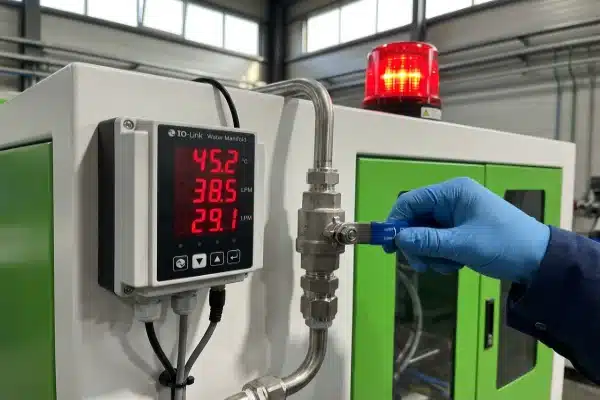
To verify protection, manually close the main supply valve while the machine idles. The digital flow switch must trigger a "Cooling Failure" alarm instantly and inhibit heater start-up. Verify that the PLC monitors flow rate via IO-Link, not just presence, to detect partial clogs before they stop production completely.
Moving Beyond "Paddle" Switches
Old-school machines use mechanical paddle switches. Water pushes a paddle, which closes a circuit. The problem we encounter is that these paddles get calcified with scale and get stuck in the "Flow OK" position. You could cut the water line entirely, and the machine would keep running until the extruder throat seized up.
To test sensitivity, do not just turn off the water. Restrict the water. Turn the valve to 50% and watch the HMI. A sensitive system using Electronic Flow Meters (IO-Link) will show a drop in Liters Per Minute (LPM). You should be able to set a "Low Flow Warning" threshold (e.g., <10 LPM) that alerts you before the flow stops entirely.
The "Delta T" Verification
Presence of water is not enough; the water must actually be removing heat. When we validate cooling efficiency, we look for Delta T (ΔT) monitoring. This measures the temperature difference between the inlet and the outlet.
- Scenario: Water is flowing, but the mold channels are scaled up with calcium.
- Result: Flow rate is normal, but cooling is poor.
- Solution: The alarm system should trigger if the Outlet Temperature is too high relative to the Inlet Temperature.
Validating the "Closed Valve" Simulation
We recommend a hard test during installation. While the heaters are off, physically close the water supply. The machine should immediately:
- Trigger a red alarm light.
- Display "Cooling Water Fault" on the screen.
- Crucially: Lock out the heater contactors.
If the heaters can be turned on without water flow confirmed, the safety sensitivity is set incorrectly.
float switches 6
| Feature | Standard Machine | High-End Configuration | Benefit |
|---|---|---|---|
| Sensor Type | Mechanical Paddle | Electronic Vortex/Magnetic | No moving parts to stick or break |
| Data Output | On / Off | Real-time LPM (Analog) | Detects gradual clogging over time |
| Temp Monitoring | None | Inlet & Outlet Temp | Verifies heat transfer efficiency |
| Response Time | 5-10 Seconds | < 2 Seconds | Prevents thermal shock to barrel |
What brand of sensors do you use for monitoring fluid levels in the lubrication system?
We strictly select top-tier automation components because generic sensors often stick in the "safe" position. A failed cheap sensor costs significantly more in downtime and repairs than the price of a premium replacement.
NLGI Grade 0 7
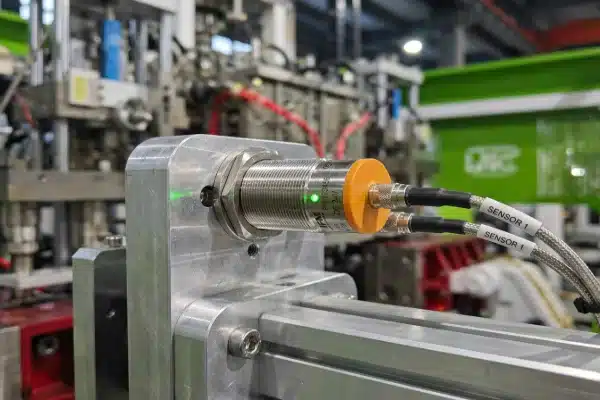
We prioritize industrial automation leaders like IFM, Keyence, or Balluff over unbranded generic components. These brands offer superior reliability against vibration and temperature shifts. Inspect the sensor casing for the manufacturer’s label to ensure you are not relying on low-quality hardware that produces "false negatives" during critical failures.
automatic lubrication systems 8
The Importance of Component Traceability
When sourcing spare parts, we often see clients struggling to identify unbranded sensors. A sensitive alarm system is useless if the sensor itself is reliable only 90% of the time. We look for sensors with standardized outputs (PNP/NPN, IO-Link) from global suppliers.
Why brands matter for sensitivity:
- Hysteresis Stability: High-quality sensors maintain their switch points. A generic sensor set to trigger at 10% might drift and not trigger until 2% (too late) or 20% (nuisance alarm) after a few months of heat exposure.
- Vibration Resistance: Blow molding machines vibrate. Cheap capacitive sensors often trigger false alarms due to shaking. Brands like Balluff engineer specific internal damping to ignore this noise.
Examining the HMI Alarm History
Sensitivity is verified through data. Access your HMI’s "Alarm History" or "Event Log." A robust system should store at least 1,000 events. Look for "reason codes" and timestamps down to the second.
The "Flicker" Test:
If you see the fluid alarm appearing and disappearing instantly (e.g., 10 times in one minute), the sensitivity is too high and the Debounce Timer is too low. Fluid sloshes during high-speed clamping.
- Ideal Setting: The PLC should require the signal to remain "Low" for continuous 3–5 seconds (the Debounce delay) before triggering the alarm.
- Test: Shake the machine or reservoir slightly. If the alarm trips instantly, ask your supplier to increase the timer delay to prevent operator fatigue from nuisance alarms.
Periodic Sensor Audits
We recommend an annual audit of these sensors. An electronic sensor can "fail high" (always reading 100%).
Audit Checklist:
| Component | Test Action | Expected Result | Frequency |
|---|---|---|---|
| Lube Sensor | Disconnect cable | "Wire Break" Alarm | Monthly |
| Water Flow | Close Valve | "Flow Fault" Alarm | Weekly |
| Air Pressure | Drop regulator | "Low Air" Alarm | Weekly |
By disconnecting the cable, you are also testing the PLC’s ability to distinguish between a "Low Level" and a "Broken Wire." A smart system will tell you the difference, aiding in faster troubleshooting.
Watch the HMI 9
Conclusion
Verifying sensor sensitivity prevents catastrophic dry-runs. By testing flow meters, simulating grease faults, and auditing HMI logs, you ensure your all-electric machine protects itself reliably against costly downtime.
PLC logs the event 10
Footnotes
- Explains the sensor technology prone to false alarms. ↩︎
- Connects to a cited manufacturer known for reliability. ↩︎
- Wikipedia page for the specific company originally linked ↩︎
- Directs to a major manufacturer of automation sensors. ↩︎
- Links to authoritative source on energy and thermal efficiency. ↩︎
- Explains the older technology being compared. ↩︎
- Defines the specific grease consistency standard mentioned. ↩︎
- Contextualizes the specific machine system being tested. ↩︎
- Explains the interface used for monitoring alarms. ↩︎
- Defines the control system recording the fault. ↩︎


0 Comments