

Introduction
A single cracked blow pin or warped mold can halt production for hours—costing thousands in lost output and rushed replacement parts. For manufacturers relying on blow molding machines, unplanned downtime isn’t just frustrating; it’s a direct hit to profitability and customer commitments.
At Lekamachine, we’ve seen how proactive blow mold parts maintenance prevents 80% of emergency repairs. This guide breaks down step-by-step inspection techniques, high-wear components to prioritize, and replacement best practices to keep your machines running at peak performance—especially before seasonal demand spikes.
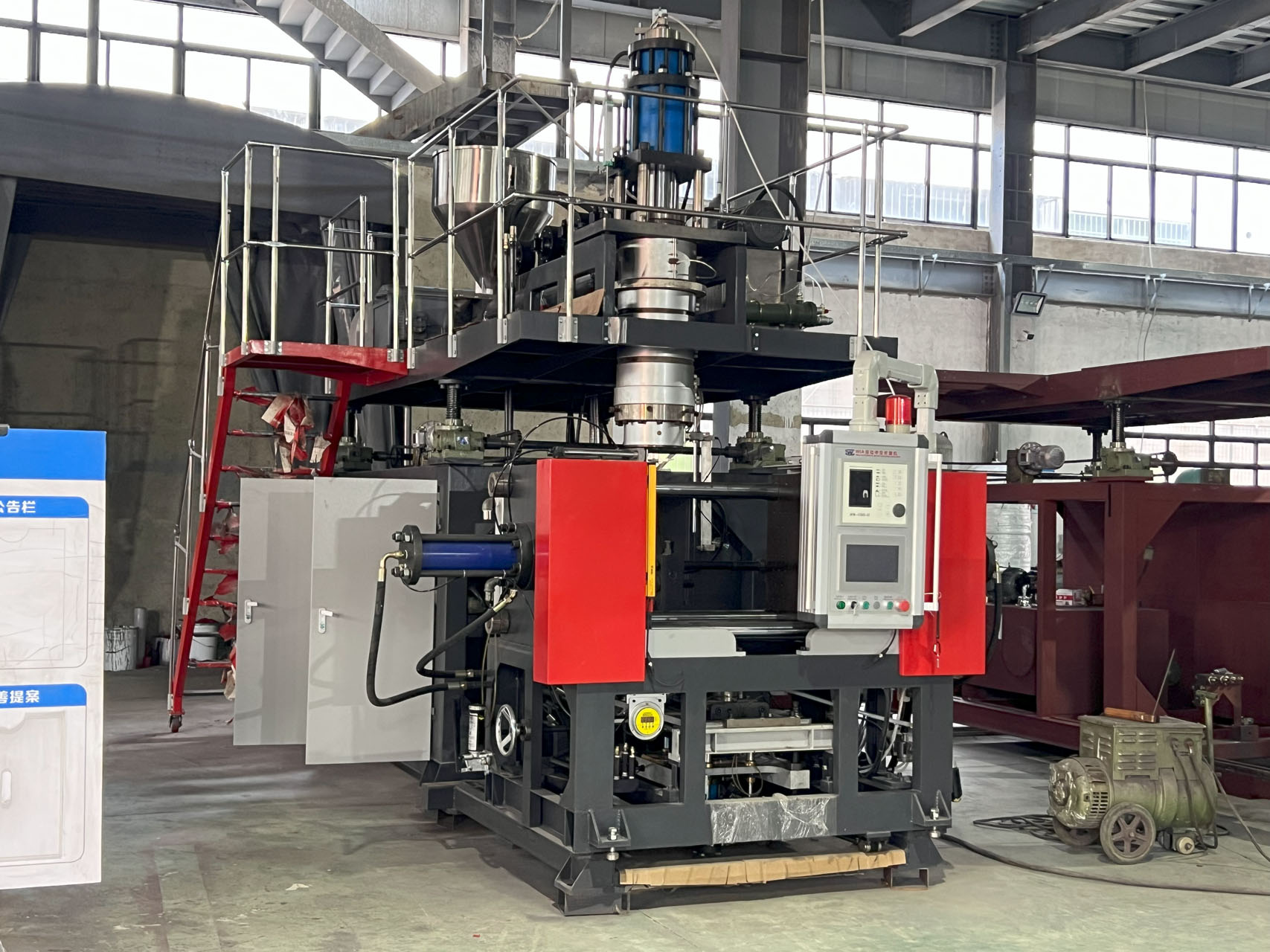
Critical Blow Mold Parts and Their Functions
Understanding the key components of blow molding machinery and their maintenance needs can significantly enhance production efficiency and reduce downtime.
Blow molding is a complex process that relies on several critical parts working in harmony. These blow mold parts are subjected to extreme heat and pressure, making regular maintenance essential. In this guide, we’ll break down the most important components, their roles, and how to keep them in top shape.
Essential Blow Mold Parts
The heart of any blow molding operation includes five key components:
Molds
Molds shape the molten plastic into the desired form. They endure constant thermal cycling, which can lead to wear and deformation over time. High-quality molds from trusted suppliers like Lekamachine can withstand these stresses longer.
Nozzles
Nozzles control the flow of molten plastic into the mold. Clogging or wear can cause inconsistent product quality. Regular cleaning and inspection are ride-or-die for maintaining precision.
Cooling Systems
These systems regulate temperature to ensure proper material solidification. Inefficient cooling leads to longer cycle times and potential product defects.
Blow Pins
Blow pins introduce air to expand the plastic against the mold walls. They experience significant mechanical stress and often require replacement.
Parison Heads
These components form the initial plastic tube (parison) before blowing. Proper alignment is crucial for uniform wall thickness in finished products.
Seasonal Considerations
Production demands fluctuate seasonally, especially for holiday decorations. This variation affects blow mold parts differently:
| Component | Industrial Use Wear | Seasonal Use Wear | Recommended Inspection | Typical Lifespan |
|---|---|---|---|---|
| Molds | Gradual | Concentrated | Every 50,000 cycles | 2-5 years |
| Nozzles | Medium | High | Weekly | 6-12 months |
| Cooling Systems | Low | Medium | Monthly | 3-5 years |
| Blow Pins | High | Very High | Every 10,000 cycles | 3-6 months |
| Parison Heads | Medium | High | Every 25,000 cycles | 1-2 years |
For businesses using blow molding replacement parts, understanding these patterns helps plan maintenance schedules. Lekamachine offers comprehensive support for all these components, from initial consultation to ongoing maintenance.
Proper care of your blow mold accessories not only extends their lifespan but also ensures consistent product quality. Implementing a preventive maintenance program based on your specific production demands can save significant time and resources in the long run.

Signs of Wear and When to Replace Blow Mold Parts
Recognizing early signs of wear in blow mold parts can prevent costly production failures and maintain consistent product quality.
Regular inspection of blow mold parts is crucial for maintaining efficient operations. This guide covers key indicators of wear and when replacement becomes necessary to avoid unexpected downtime.
Visual Inspection Techniques
Three primary visual signs indicate part degradation:
Cracks
Hairline fractures often appear first in high-stress areas. Use magnifying glasses or dye penetrants to detect early-stage cracks before they propagate.
Warping
Thermal cycling causes dimensional changes. Check for warping using straightedges on flat surfaces and calipers on critical dimensions.
Excessive Wear
Look for scoring, pitting, or material loss on contacting surfaces. Compare against manufacturer specifications for acceptable wear limits.
Performance Indicators
Beyond visual cues, monitor these operational signs:
| Indicator | Normal Range | Warning Level | Critical Level | Recommended Action |
|---|---|---|---|---|
| Cycle Time | ±2% baseline | 5% increase | 10%+ increase | Inspect cooling system/blow pins |
| Product Weight Variance | ±1.5% | 3% | 5% | Check nozzles/parison heads |
| Surface Defects | 0.5% of output | 2% | 5% | Examine molds/polish surfaces |
| Air Leakage | None | Intermittent | Constant | Replace seals/blow pins |
| Energy Consumption | ±3% baseline | 7% increase | 15%+ increase | Full system diagnostic |
For blow mold part maintenance, Lekamachine recommends using precision measurement tools like micrometers (accuracy ±0.001mm) and surface roughness testers (Ra ≤ 0.8μm for critical surfaces).
Replacement Strategies
Consider these approaches for blow mold repair:
- Preventive Replacement: Follow manufacturer intervals (typically 500,000 cycles for molds)
- Condition-Based: Replace when measurements exceed 10% wear allowance
- Emergency: Immediate replacement after catastrophic failure
Proactive replacement of blow mold parts typically costs 30-50% less than emergency repairs when factoring in production losses. Seasonal operations should conduct thorough inspections before peak periods.
Step-by-Step Blow Mold Parts Replacement Guide
Following proper replacement procedures for blow mold parts ensures operational safety and maintains production quality standards.
Safety Preparation
Before handling blow mold parts, technicians must:
- Wear heat-resistant gloves and safety goggles
- Lock out/tag out energy sources
- Allow components to cool below 50°C
- Clean work area of debris and lubricants
Required Tools
| Tool Type | Specification | Purpose | Critical Notes |
|---|---|---|---|
| Torque Wrench | 0-50 Nm range | Fastener tightening | Calibrate monthly |
| Alignment Pins | ±0.01mm tolerance | Component positioning | Use manufacturer-provided |
| Cleaning Solvent | Non-flammable | Surface preparation | Avoid petroleum-based |
| Dial Indicator | 0.001mm resolution | Runout measurement | Zero before use |
| Thermal Paste | 300°C rating | Heat transfer | Apply 0.1mm layer |
Replacement Procedure
For common blow molding replacement parts:
Seal Replacement
- Remove old seal with plastic tools only
- Clean groove with isopropyl alcohol
- Lubricate new seal with silicone grease
- Install using uniform pressure
Blow Pin Installation
- Verify bore diameter within 0.005mm spec
- Apply anti-seize compound to threads
- Torque to manufacturer specification (typically 28-32 Nm)
- Check air passage clearance
Lekamachine technicians recommend scheduling complex replacements during seasonal maintenance periods, particularly before high-demand cycles for plastic blow molds used in holiday production.
Post-Replacement Verification
- Conduct 5-10 test cycles at reduced speed
- Measure first article dimensions against CAD models
- Verify cycle time within 2% of baseline
- Document replacement in maintenance log
For technical support with replacing blow mold parts for optimal performance, Lekamachine offers 24/7 assistance through their global service network.

Optimizing Your Maintenance Schedule for Maximum Uptime
A well-planned maintenance schedule for blow mold parts can increase equipment lifespan by 30-40% while reducing unexpected downtime by up to 60%.
Creating a Maintenance Calendar
Effective blow mold part maintenance requires aligning with production cycles:
| Production Volume | Mold Inspection | Seal Replacement | Full System Check | Documentation Review |
|---|---|---|---|---|
| Under 100k units/month | Monthly | Quarterly | Biannual | Annual |
| 100-500k units/month | Biweekly | Monthly | Quarterly | Semiannual |
| 500k+ units/month | Weekly | Biweekly | Monthly | Quarterly |
| Seasonal Peaks | Pre-season | Mid-season | Post-season | Seasonal Analysis |
Seasonal Maintenance Strategies
For holiday decoration manufacturers using blow molding process:
- Conduct pre-season thermal imaging of all heating elements
- Replace all wear components 2 weeks before peak production
- Schedule post-season mold refurbishment during slow periods
- Maintain duplicate sets of high-wear parts during critical seasons
Documentation Systems
Lekamachine’s maintenance templates track:
- Component service hours
- Replacement dates and reasons
- Performance metrics pre/post maintenance
- Technician observations and recommendations
Proper documentation helps identify patterns in how to maintain blow mold parts most effectively for specific applications.
Staff Training
Key training components include:
- Visual recognition of early wear patterns
- Proper use of measurement tools
- Understanding failure mode trends
- Emergency shutdown procedures
Lekamachine offers certified maintenance training programs combining classroom instruction with hands-on practice using actual blow mold parts.
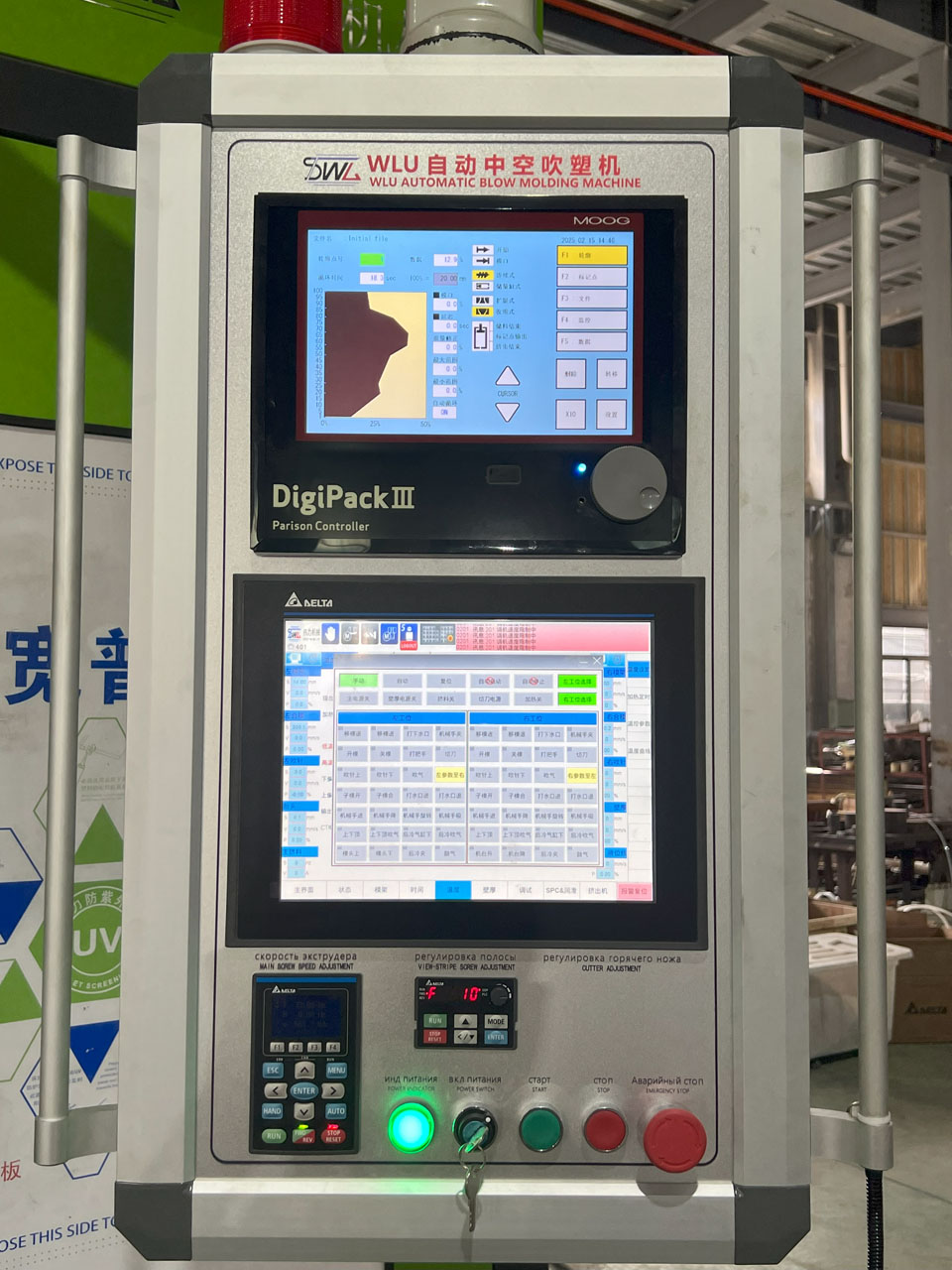
Sourcing Quality Replacement Parts and Building Supplier Relationships
Strategic procurement of blow mold parts can reduce downtime by 40-60% while maintaining consistent product quality standards.
Evaluating Part Quality
When sourcing blow molding replacement parts, consider these quality indicators:
| Criteria | OEM Standard | Premium Aftermarket | Budget Option | Lekamachine Standard |
|---|---|---|---|---|
| Material Certification | Full traceability | Partial | None | Full documentation |
| Dimensional Tolerance | ±0.005mm | ±0.01mm | ±0.05mm | ±0.003mm |
| Surface Finish (Ra) | 0.4μm | 0.8μm | 1.6μm | 0.2μm |
| Warranty Period | 12 months | 6 months | 30 days | 18 months |
| Lead Time (emergency) | 5-7 days | 10-14 days | 21+ days | 72 hours |
Inventory Strategies
For blow mold accessories with seasonal demand:
- Maintain 3-month supply of high-wear components
- Pre-order holiday-specific molds 6 months in advance
- Establish vendor-managed inventory programs
- Implement barcode tracking for critical spares
Supplier Relationships
Lekamachine recommends these partnership practices:
- Quarterly technical reviews with suppliers
- Joint maintenance planning sessions
- Performance-based contract incentives
- Shared forecasting systems
When evaluating where to buy quality blow mold parts, consider suppliers who offer technical support and can provide custom solutions for your specific blow mold parts requirements.
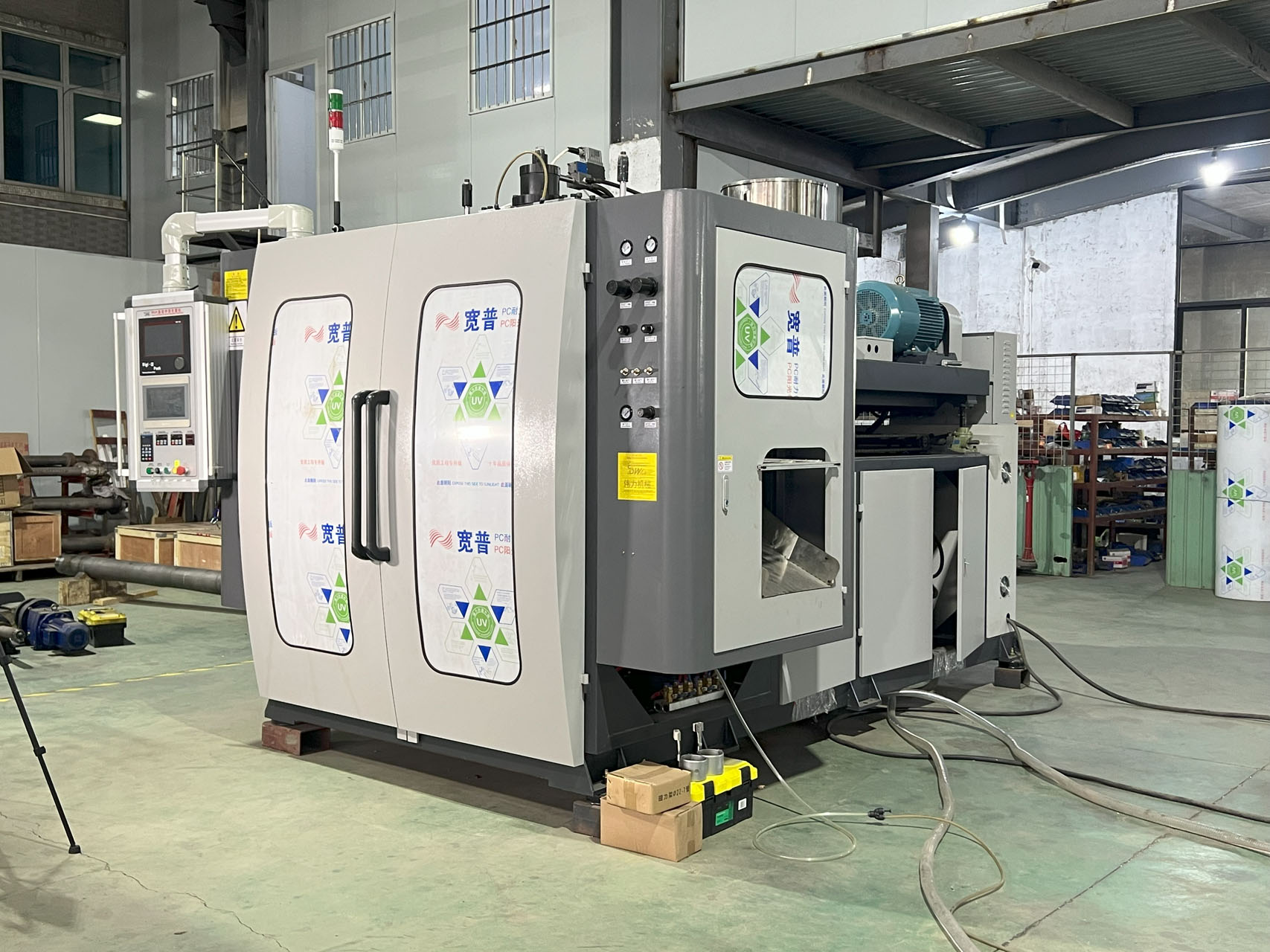
Conclusion
After years in the blow molding industry, I’ve learned one thing the hard way: skipping maintenance is a “ride-or-die” gamble you don’t want to take. A single neglected blow pin or warped mold can cost you thousands in downtime—especially during peak seasons when every second counts.
Proactive care isn’t just about avoiding breakdowns; it’s about maximizing efficiency and protecting your bottom line. Whether you’re running cosmetic bottles or industrial containers, the right maintenance strategy keeps your machines humming and your products flawless.
Invest in your equipment like you would a trusted partner—because when production runs smoothly, everyone wins.
FAQ
Q1: What are blow mold parts?
A1: Blow mold parts are components used in the blow molding process, where plastic is shaped into hollow items. These parts can include the mold itself and any associated equipment required to form and finish the molded products.
Q2: How do I maintain my blow mold parts?
A2: To maintain blow mold parts, regularly inspect for wear and tear, clean them after use to remove plastic residue, and lubricate moving parts to ensure smooth operation. It’s also essential to follow the manufacturer’s guidelines for specific maintenance practices.
Q3: What are the common issues with blow mold parts?
A3: Common issues with blow mold parts include cracking, warping, and build-up of plastic residue. These can affect the quality of the final product and may require repair or replacement of damaged components.
Q4: What should I consider when replacing blow mold parts?
A4: When replacing blow mold parts, consider compatibility with existing equipment, the quality of materials, and the reputation of the manufacturer. It’s also important to assess the cost-effectiveness of the replacement parts.
Q5: How can I optimize the performance of blow mold parts?
A5: To optimize the performance of blow mold parts, ensure proper calibration of the machinery, maintain consistent temperatures during molding, and utilize high-quality raw materials for production.
Q6: What safety precautions should I take with blow mold parts?
A6: Safety precautions include wearing protective gear such as gloves and goggles, ensuring proper ventilation in the workspace, and following operational guidelines to prevent injury from machinery.
Q7: Can blow mold parts be repaired?
A7: Yes, blow mold parts can often be repaired, depending on the extent of the damage. Minor issues, such as cracks or chips, may be fixed with plastic adhesives, while more severe damages might require replacement.
Q8: What are blow molding replacement parts?
A8: Blow molding replacement parts are components that can be substituted for worn or damaged elements in blow molding machinery, ensuring continued operation and efficiency of the production process.
External Links
- Blow Molding Process: Parts, Working, defects, Advantages …
- Blow Molding – Wikipedia
- How to Clean and Repair Holiday Blow Molds – Martha Stewart
- Blow Mold Machine Parts – Velocity Equipment Solutions
- Blow Molding Design Guide – Custom-Pak, Inc.
- B&G Products: Quality Supplier of Aftermarket Blow Mold Machinery …
- W. MUELLER USA Inc. – Extrusion heads, blow molded parts, blow molding …
- Replacement Light Plates – Blow Mold Store