
10 Best Extrusion blow molding machine manufactures in Thailand

Reading Time: ( Word Count: )

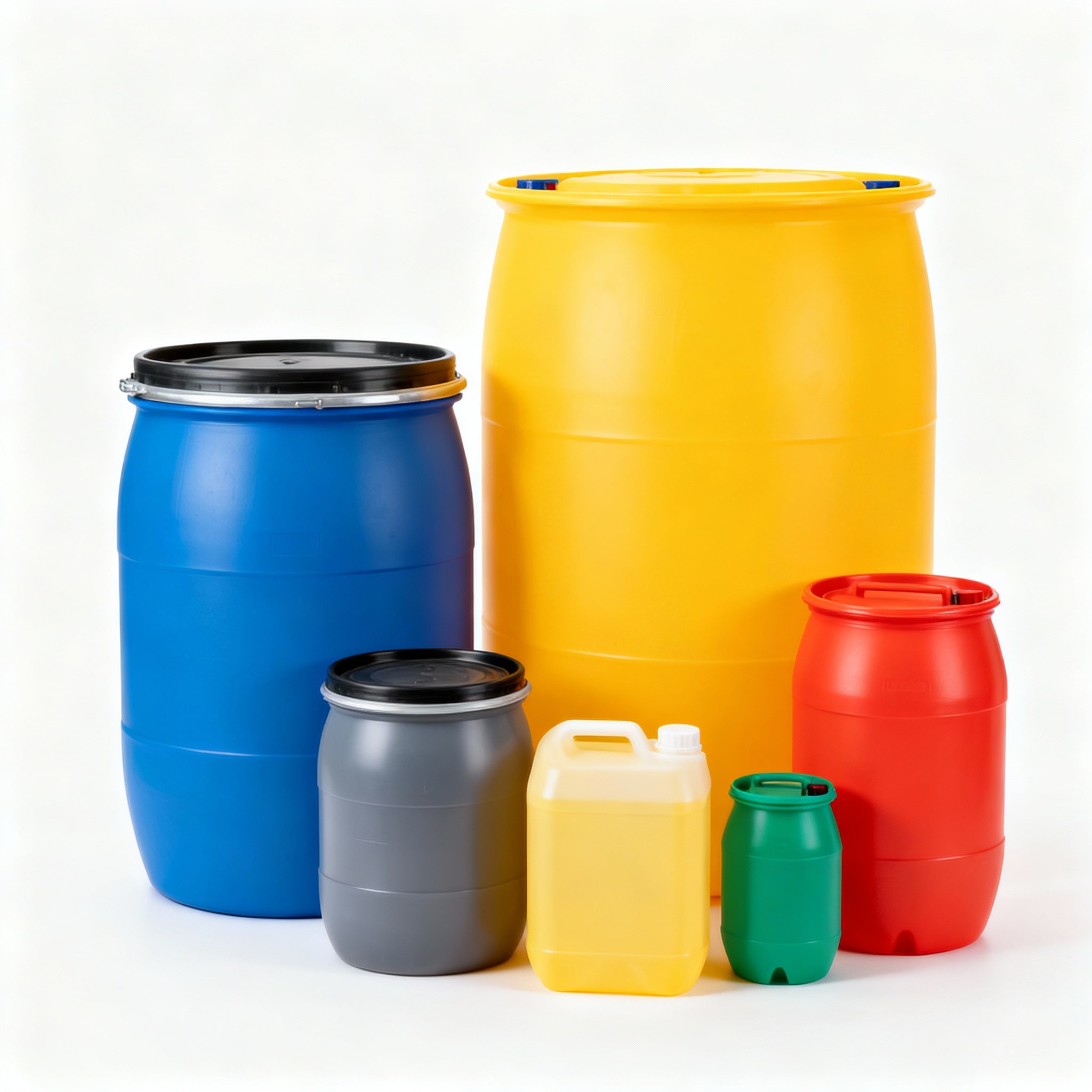
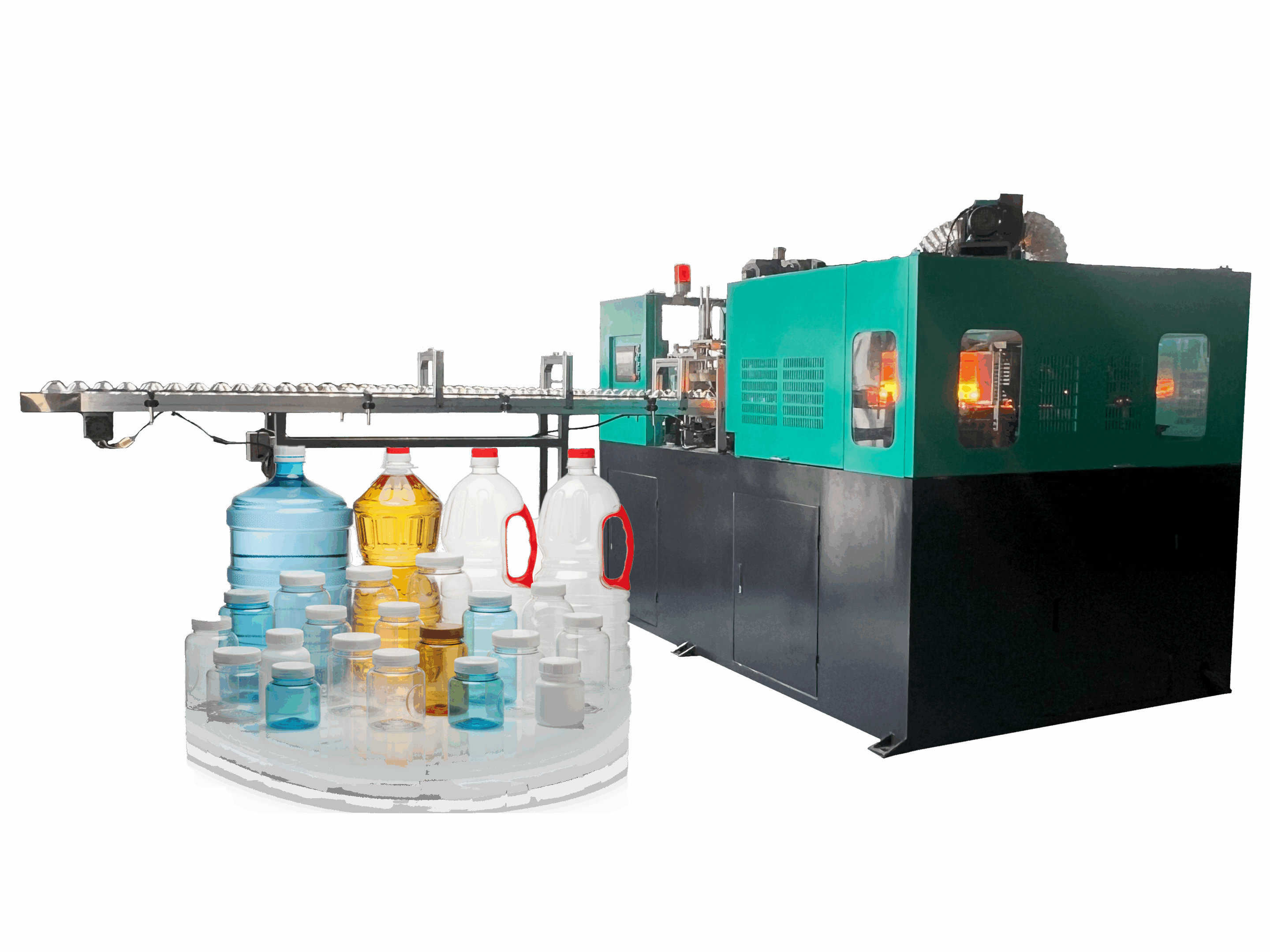
Assorted plastic drums and jerrycan for liquid storage, in yellow, blue, red, gray, and green

2 October, 2025


The Ultimate Guide to Thailand Top 10 Extrusion Blow Molding Machine Manufacturers

Our ultimate guide to Thailand’s top 10 Extrusion blow molding machine manufacturers. Compare pricing, energy use, and local service for HDPE/PP bottle production.

If you’re looking to produce plastic bottles, containers, or parts in Thailand, choosing the right Extrusion blow molding machine is a critical decision. The market is full of options, from high-end German machines to cost-effective Asian models. This guide breaks down the top players who serve the Thai market, helping you understand the real-world trade-offs in cost, performance, and local support so you can make a smart investment.

Manufacturers At-a-Glance

Kautex Maschinenbau
lekamachine
Bekum
Fong Kee International Machinery
Parker Plastic Machinery
ST Blow Moulding
Magic MP
Jiangsu Victor Machinery
Jwell Machinery
SMI Group

Why This Matters in 2025 (Extrusion blow molding machine trends, uptime, energy)

In 2025, the Thai manufacturing landscape is more competitive than ever. Rising energy prices mean that machine efficiency isn’t just a “nice-to-have”; it directly impacts your profitability. An older, power-hungry hydraulic machine can wipe out your margins, while a modern all-electric or hybrid servo-hydraulic model can significantly lower your cost per bottle. Uptime is everything. With pressure from customers for faster turnarounds, you can’t afford a machine that’s down for days waiting on a part from Europe. Quick changeovers are also essential as brands demand more diverse bottle shapes and sizes in smaller batches.

Cost and Pricing Signals for 2025 (Extrusion blow molding machine pricing, cost drivers)

When budgeting for an Extrusion blow molding machine in Thailand, the sticker price is just the start. A small, single-station shuttle machine for 1-liter HDPE bottles might start around 1,500,000 THB from an Asian supplier. A high-cavitation, multi-layer, all-electric machine from a European brand could easily exceed 15,000,000 THB. Key cost drivers include clamp force, the number of extrusion heads (for multi-layer bottles with barriers like EVOH), automation level (in-mold labeling, takeout robots), and the complexity of the parison control system. Don’t forget to factor in import duties, shipping, and installation costs, which can vary significantly depending on the machine’s country of origin.

Energy, Utilities, and Sustainability (all-electric Extrusion blow molding machine, energy efficiency)

Energy is one of your biggest operational expenses. All-electric Extrusion blow molding machine technology has become a game-changer. While they have a higher initial cost, they can reduce energy consumption by 40% or more compared to older hydraulic systems. When you get quotes, demand to see the machine’s specific energy consumption, measured in kWh per 1,000 bottles produced. Also, look for features like insulated heater bands on the extruder barrel and efficient servo motors. Given Thailand’s climate, a machine’s cooling water requirements are also a key factor for your utility planning.

Throughput vs. Flexibility Trade-offs (rotary vs continuous vs accumulator head)

The right machine type depends entirely on what you make. For high-volume, standardized containers like milk or juice bottles, a rotary wheel machine offers incredible throughput but is less flexible. For most consumer goods in Thailand, with varied shapes and sizes, the continuous extrusion shuttle machine is the workhorse. It offers a great balance of speed and flexibility for quick mold changes. For large industrial containers over 20 liters, like chemical drums or water tanks, you’ll need an accumulator head machine, which gathers a large “shot” of plastic before extruding it.

Mold, Tooling, and Quick-Change Strategy (quick changeover, parison control, in-mold labeling)

Your machine is only as good as its mold. And the time it takes to change that mold is lost production. Modern machines offer quick-change systems that can reduce changeover times from hours to under 30 minutes. When evaluating suppliers, ask for a video of a complete mold change. This is a non-negotiable part of your RFQ. Also, sophisticated parison control, which adjusts the thickness of the extruded plastic tube, is critical for reducing material usage and ensuring container strength, especially for complex shapes.

Process Control and Quality (wall thickness control, parison programming)

Consistent quality shift after shift is what separates successful molders from the rest. Modern process controllers with intuitive HMIs (Human-Machine Interfaces) allow operators to save recipes for each product, ensuring repeatability. Advanced wall thickness control, often with 100-point programming, lets you put plastic only where it’s needed. This saves a massive amount of resin over a year and improves the top-load strength and drop-test performance of your containers, reducing scrap rates.

Materials and Multilayer Barriers (HDPE, PP, PETG, EVOH multilayer bottles)

Most containers you’ll make in Thailand will use HDPE (High-Density Polyethylene) for things like milk jugs and shampoo bottles, or PP (Polypropylene) for hot-fill applications. However, the market for products requiring longer shelf life is growing. This requires multi-layer technology, where a thin barrier layer of EVOH (Ethylene Vinyl Alcohol) is co-extruded between layers of HDPE or PP. This prevents oxygen from getting in and spoiling products like sauces, ketchup, or UHT milk. Ensure your machine supplier has proven experience with the multi-layer head technology your products require.

Top 10 Extrusion Blow Molding Machine Manufacturers in Thailand

Kautex Maschinenbau (German engineering with Thai office)

The web of KAUTEX for blow molding machine factory/manufactures

A global leader, Kautex is a top-tier German brand known for high-performance machines. They have a direct presence in Bangkok, offering sales and service support for the Thai market. They are particularly strong in the automotive sector (fuel tanks) and complex industrial packaging, but their KBB series is a benchmark for consumer packaging quality and speed. Their machines are a premium investment focused on OEE and long-term reliability.

Main products

All-electric KBB series for consumer packaging, shuttle machines for industrial containers, and accumulator head machines for large technical parts and fuel tanks. They offer advanced multi-layer and quick-changeover systems.

Pros

Exceptional reliability and build quality. Strong local service presence in Thailand. High energy efficiency on their latest models. Leaders in complex multi-layer applications.

Cons

Among the highest initial investment costs. Lead times can be long for customized machines from Germany.

lekamachine (global OEM with Asia coverage)

The web of lekamachine for blow molding machine factory/manufactures

I represent LekaMachine. We operate a B2B international export model, acting as your project management and supply chain partner. Instead of being locked into one factory, we source and customize Extrusion blow molding machines from a network of manufacturers, primarily in Asia, based on your specific needs for budget, performance, and features. We manage the entire process from supplier vetting and quality control to logistics and door-to-door delivery, with project teams in China, Singapore, and Hong Kong to cover the region.

Main products

We supply a wide range of Extrusion blow molding machines, from our versatile FORMA series for general-purpose containers to the high-speed AERO series for mass production and the powerful TITAN series for large industrial drums and tanks. We also provide stretch blow molding machines for PET applications.

Pros

Flexible solutions tailored to your budget. 30–90 day delivery lead time, much faster than many competitors. Full supply chain management reduces your risk and workload. Strong expertise in both extrusion and stretch blow molding processes.

Cons

We are not a direct manufacturer, which is a different operational model. Support is coordinated through our regional teams rather than a dedicated local Thai office.

Bekum (premium brand with Thai agent)

The web of BEKUM for blow molding machine factory/manufactures

Bekum is another premier German manufacturer with a reputation for precision and durability. They are a go-to choice for high-quality packaging for food, cosmetics, and household chemicals. In Thailand, they are represented by a local agent who handles sales and provides technical service. Their machines are known for producing flawlessly finished containers with minimal scrap.

Main products

Hybrid and all-electric shuttle machines for single and multi-layer containers. Their platforms are recognized for their robust clamping systems and efficient extrusion technology. They are pioneers in tandem-blow and multi-cavity production.

Pros

Excellent machine longevity and high resale value. Precise and repeatable process control. Strong performance in high-cavitation applications. Good agent support in Thailand.

Cons

High upfront capital cost. Spare parts can be expensive and may need to be imported from Germany.

Fong Kee International Machinery (Taiwanese manufacturer with strong regional presence)

The WEB for FKI of extrusion blow molding machine

Fong Kee is a leading Taiwanese manufacturer with a very strong footprint across Southeast Asia. They offer a great balance of performance, reliability, and price, making them a popular choice for factories in Thailand. They have decades of experience and provide robust, dependable machines that are easier to operate and maintain than some of the more complex European options.

Main products

A wide range of continuous extrusion shuttle machines suitable for containers from 50ml to 30L. They also offer accumulator head machines and options for multi-layer co-extrusion.

Pros

Competitive pricing with good performance. Shorter lead times than European brands. Machines are known for being durable and straightforward to run. Good service network in the ASEAN region.

Cons

May not have the cutting-edge energy efficiency or control precision of top-tier German brands. Local support might be through a distributor rather than a direct office.

Parker Plastic Machinery (Taiwanese supplier for flexible production)

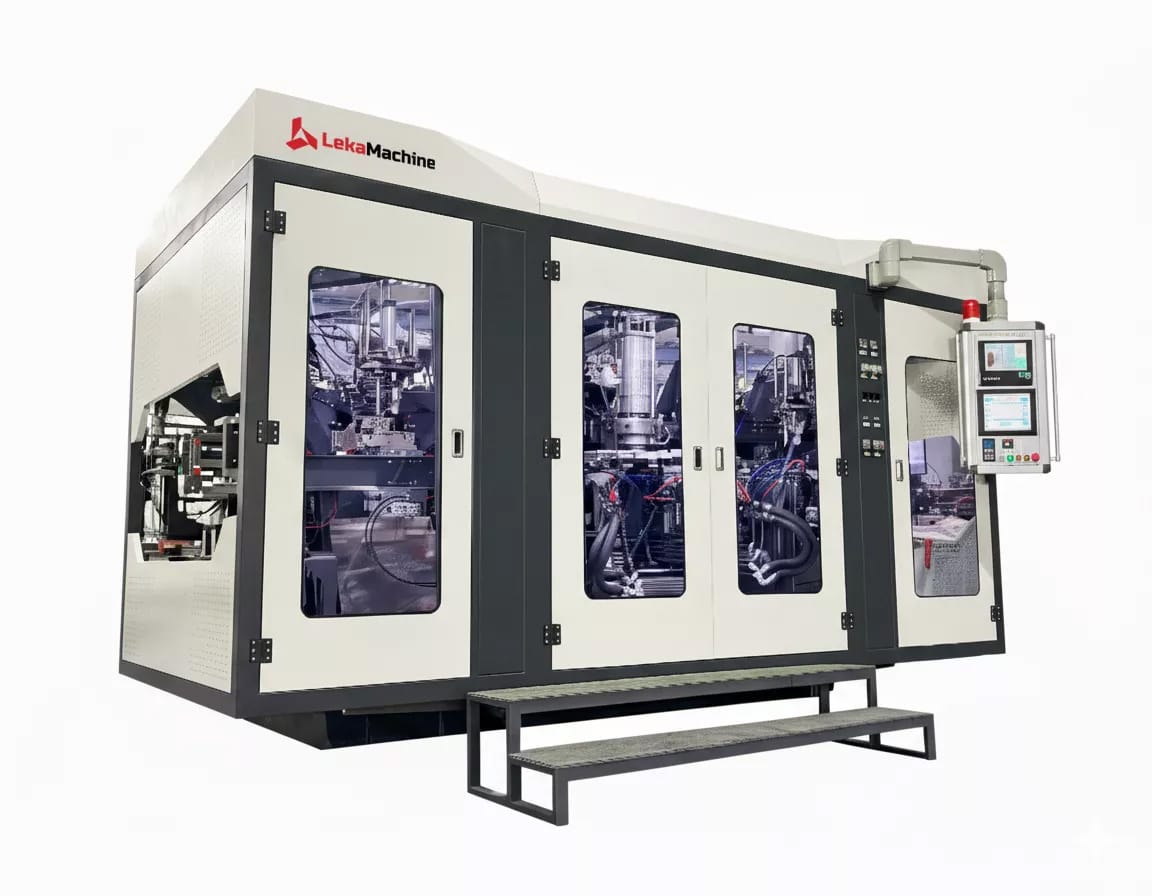
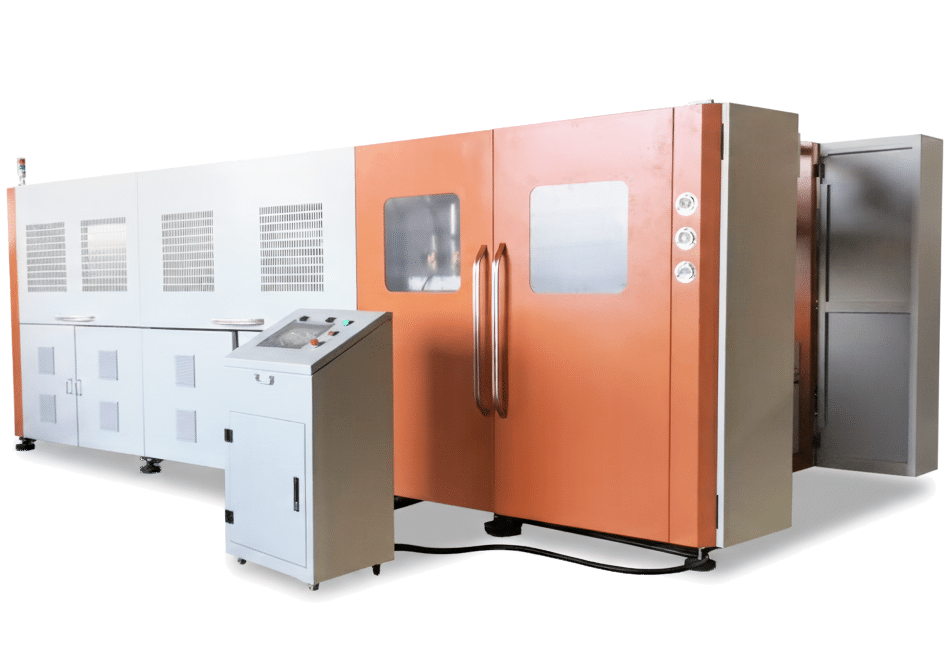
Extrusion blow molding machine with operator interface and multi-station frame

This extrusion blow molding machine features an enclosed frame with control panel and processing units for forming hollow plastic bottles.

Parker is another major player from Taiwan, well-regarded in the Thai market for its cost-effective and versatile machines. They are often considered by businesses looking for reliable equipment without the premium price tag of European machinery. Their machines are workhorses, capable of handling a variety of resins and container shapes.

Main products

Focus on hydraulic and servo-hydraulic shuttle type Extrusion blow molding machines. Their product line covers small bottles to large 200-liter L-ring drums. They offer single, double, and triple head configurations.

Pros

Very competitive price point. Good flexibility for producing a wide range of products. Solid build quality for the investment level. Established presence in the Asian market.

Cons

Technology and energy efficiency might not be on par with the latest all-electric European models. HMI and software may be less sophisticated.

ST Blow Moulding (Italian specialist for large parts)

The WEB of STblow for blow molding machine manufactures

Now part of the Kautex group, ST Blow Moulding is an Italian company specializing in accumulator head machines for large technical parts and industrial containers. Their technology is excellent for producing items like jerry cans, IBCs, and automotive components. They are supported through the Kautex network, giving them a service advantage in Thailand.

Main products

Accumulator head Extrusion blow molding machines are their core focus, ranging from 5L to 1000L capacity. They are known for their suction blow molding and 3D blow molding capabilities for complex hollow parts.

Pros

Leading technology for large and complex industrial parts. Strong process stability and parison control. Backed by the Kautex global service network, including its Thai office.

Cons

Highly specialized, not the right fit for standard consumer packaging. Premium pricing for their specialized technology.

Magic MP (Italian leader in all-electric technology)

The web of Magic North America for blow molding machine factory/manufactures

Magic is an Italian manufacturer that has been a pioneer in all-electric Extrusion blow molding technology. Their focus on energy efficiency, clean operation, and precision makes them a strong contender for food, pharmaceutical, and cosmetic packaging applications. They have a growing presence in Asia through regional agents.

Main products

Their portfolio is heavily focused on all-electric shuttle machines. They offer extremely fast, precise, and energy-efficient solutions for small to medium-sized containers. They also have well-regarded multi-layer technology.

Pros

Market-leading energy efficiency. Very fast cycle times. Clean operation, ideal for food and medical applications. Quiet machine operation improves the factory environment.

Cons

Higher initial cost than hydraulic machines. Local technical support in Thailand may rely on a regional hub rather than a dedicated local team.


Jwell Machinery (Large-scale Chinese manufacturer)

the WEB of Jwell forStretch blow molding machine factory/manufactures

Jwell is one of the largest plastics machinery manufacturers in China, with a massive product portfolio that includes Extrusion blow molding machines. Their scale allows them to offer competitive pricing, and they have a significant global export business. They are a viable option for those looking for new, affordable equipment with standard features.

Main products

They produce a full line of machinery, including shuttle machines for containers up to 25L and accumulator head machines for drums up to 220L. They can equip machines for multi-layer production as well.

Pros

Competitive pricing due to large-scale production. Wide range of machine sizes and types available. Established exporter with experience in international logistics.

Cons

Service and support are typically through distributors. May lack the specialization and advanced features of more focused blow molding companies. Consistency can vary.

SMI Group (Italian packaging line specialist)

The web of SMIGROUP asb for blow molding machine factory/manufactures

While widely known for their PET stretch blow molding and packaging lines, Italian-based SMI also manufactures Extrusion blow molding machines. Their strength lies in providing integrated, turnkey solutions from molding to palletizing. This system-level approach is attractive for greenfield projects or major line upgrades in Thailand’s food and beverage sector.

Main products

Rotary Extrusion blow molding machines for high-speed production of HDPE containers, often integrated with filling, capping, and labeling systems. They offer complete packaging line solutions.

Pros

Ability to deliver a fully integrated production line from a single supplier. Strong reputation in the beverage industry. Good automation and system integration expertise.

Cons

Less focused on standalone Extrusion blow molding machines. Their solutions are geared towards high-volume producers and represent a significant investment.

Factors to Consider When Choosing a Extrusion blow molding machine Manufacturer for a Startup

If you’re a startup in Thailand, your priorities are different. You need a machine that is simple to operate, reliable, and doesn’t require a team of specialized engineers to maintain. Delivery time is critical; you can’t wait 12 months for a machine when you have customers to supply. Look for a supplier who provides excellent training and has responsive technical support within the ASEAN region. Predictable Total Cost of Ownership (TCO) is more important than the lowest purchase price, so factor in energy use, spare parts costs, and potential downtime.

How to Find a Extrusion blow molding machine Manufacturer for Your Startup

Start by shortlisting 3 to 5 potential suppliers who have a presence in Southeast Asia. Don’t just rely on brochures. Insist on a pilot run, ideally using your own molds and the specific grade of resin you plan to use. Visit a reference factory in Thailand or a neighboring country to see the machine in a real production environment. Talk to their operators. When you negotiate, focus on getting a strong Service Level Agreement (SLA) that guarantees response times for technical support.

Domestic vs. Overseas Extrusion blow molding machine Manufacturers

Thailand doesn’t have a large domestic manufacturing base for these machines, so you will be importing. The choice is generally between premium European/Japanese brands and more cost-effective Taiwanese or Chinese brands. European machines often lead in technology and efficiency but come with a higher price and potentially longer waits for service. Asian manufacturers offer a much lower initial cost and faster delivery, with service teams closer to home. A hybrid model, like working with a partner who sources from Asia but provides strong project management and quality oversight, can offer a good balance.

Maintenance, Spare Parts, and SLAs (service coverage, spare parts, MTTR)

Before you buy, ask for a map of the supplier’s service technicians in Asia. Where is their nearest spare parts depot? A machine sitting idle waiting for a 5,000 THB part from Germany can cost you hundreds of thousands in lost production. A good SLA should specify a maximum response time for remote support and a dispatch target for an on-site technician. It should also define the Mean Time To Repair (MTTR). Always purchase a recommended spare parts kit with the machine to cover common wear items for the first two years.

Installation, Commissioning, and Ramp-Up (FAT/SAT, acceptance criteria)

The purchase process should include a Factory Acceptance Test (FAT) at the manufacturer’s site and a Site Acceptance Test (SAT) in your factory in Thailand. Define the acceptance criteria clearly in your purchase contract. This should include targets for cycle time, scrap rate, and energy consumption for a specific product. Plan the installation schedule carefully, accounting for Thai holidays and customs clearance times. Ensure the supplier’s training plan for your operators and maintenance staff is comprehensive and in a language they understand.

Pilot Runs and Acceptance Criteria (OEE, kWh per 1,000 bottles)

The best way to verify a machine’s performance is a time-boxed pilot run using your production tools. Before signing the final acceptance, run the machine for a set period (e.g., 8-24 hours) and log the key metrics. Measure the Overall Equipment Effectiveness (OEE), the scrap rate, and the actual energy used per 1,000 bottles produced. This data provides a real-world baseline and confirms that the machine can deliver on the promises made during the sales process.

Total Cost of Ownership and ROI Modeling (TCO calculator, payback model)

A simple payback calculation based on purchase price is misleading. A true TCO model for Thailand must include: the initial capital cost, shipping and import duties, energy costs (using your local THB/kWh rate), routine maintenance and spare parts, and labor. Also, factor in material savings from better parison control and lower scrap rates. A machine that costs 20% more upfront but uses 40% less energy and 5% less plastic can have a much faster ROI.

Operator Training and Change Management (HMI standardization, SOPs)

Your team’s ability to run the machine effectively is crucial. Look for an intuitive HMI that can be set to Thai or English. The machine should allow you to save and password-protect processing recipes for each product, ensuring consistency across different shifts. A good supplier will provide hands-on training that goes beyond just pushing buttons and covers process optimization and basic troubleshooting. Develop clear Standard Operating Procedures (SOPs) for startups, shutdowns, and mold changes.

Digital Connectivity and Data (remote monitoring, MES/ERP integration)

Modern machines are data hubs. Look for the ability to connect the machine to your network for remote monitoring. This allows your supplier’s technicians to diagnose problems from anywhere in the world, often solving issues without an expensive site visit. The ability to export production data (cycle counts, scrap, alarms, energy use) to your factory’s MES or ERP system is also valuable for tracking production efficiency and costs in real time. Reliable internet connectivity in industrial estates across Thailand makes this a very practical feature.

Case Studies and Benchmarks

Consider these typical scenarios in Thailand: A dairy company replaces an old hydraulic machine with a new all-electric KBB or Magic model. They cut energy consumption per bottle by 50% and increase output by 20%, with payback in under three years. A family-owned business making shampoo bottles buys a Fong Kee machine. Its reliability and simple maintenance allow them to expand their customer base without hiring a dedicated engineer. An automotive supplier uses an ST Blow Moulding accumulator head machine to produce complex air ducts, reducing weight and assembly steps compared to previous methods.

RFQ Checklist and Vendor Scorecard (RFQ template, vendor comparison)

Your Request for Quotation (RFQ) should be more than just a request for a price. Demand specific, verifiable data. Ask for the guaranteed energy consumption in kWh per 1,000 bottles for a defined container weight and cycle time. Require a video showing a full mold changeover, with the time clearly documented. Ask for a complete recommended spare parts list for two years of operation, with prices in THB. Get a clear map of their service technician coverage in Southeast Asia and their guaranteed SLA response times for the Thai market. Finally, ask for at least two local references you can speak with.

Other Options Than Extrusion blow molding machine Manufacturers

Buying a new machine isn’t the only option. For startups or for products with uncertain demand, using a contract manufacturer (toll blow molder) located in one of Thailand’s many industrial estates can be a smart way to start without a large capital investment. You provide the mold, and they run the production for a fee. For certain applications, other processes might be better. PET bottles for water and carbonated drinks are made with stretch blow molding. Small, high-precision cosmetic containers are often made via injection blow molding.

FAQ

What’s the main difference between a shuttle and an accumulator head machine?
A shuttle machine extrudes plastic continuously and is ideal for containers up to about 20-30 liters. An accumulator head machine collects a large amount of molten plastic and then pushes it out all at once, which is necessary for making very large parts like drums or tanks.

How long does it take to get a new machine delivered to Thailand?
It varies greatly. A customized machine from Germany can take 9-12 months. A more standard machine from a Taiwanese or Chinese manufacturer can often be delivered in 3-5 months. Some suppliers, like us at LekaMachine, specialize in faster turnarounds, often within 30-90 days.

Do I need a multi-layer machine?
You only need it if your product is sensitive to oxygen or needs a specific chemical barrier. For products like ketchup, UHT milk, or certain agrochemicals, a multi-layer bottle with an EVOH barrier is essential for shelf life. For water, shampoo, or motor oil, a single-layer HDPE bottle is perfectly fine.

What is a realistic energy usage for a modern all-electric machine?
For a typical 1-liter HDPE bottle weighing around 50 grams, a modern all-electric Extrusion blow molding machine should consume approximately 0.35-0.45 kWh per kilogram of processed material. This is a key benchmark to compare suppliers.

What are the most important KPIs for acceptance testing?
The three critical KPIs for your Site Acceptance Test (SAT) are: sustained cycle time over an 8-hour shift, scrap rate (should be under 2-3%), and the specific energy consumption (kWh per 1,000 bottles).

What should a basic Service Level Agreement (SLA) include?
Your SLA should guarantee a phone/remote diagnosis response time (e.g., within 4 hours) and an on-site technician dispatch time if the issue can’t be solved remotely (e.g., within 48 hours for the Thai market).

Can I use my old molds in a new machine?
Maybe. You need to check for physical compatibility (platen size, mold thickness, stroke) and ensure the cooling and electrical connections match. It’s crucial to provide the new machine manufacturer with detailed drawings of your existing molds to confirm compatibility.

Are financing or leasing options available in Thailand?
Yes, many machine suppliers have partnerships with financing institutions. Additionally, several Thai banks and leasing companies offer financing for industrial machinery. It’s worth exploring these options to conserve capital.

Conclusion (next steps, shortlist, pilot, SLA)

Choosing the right Extrusion blow molding machine manufacturer for your Thai operation comes down to three things: finding the right technology for your products, verifying the provider has fast and reliable local or regional service, and modeling the Total Cost of Ownership, not just the purchase price. Use this guide to create a shortlist of 3-5 potential partners. Push them for hard data, insist on a pilot run with your materials, and negotiate a strong Service Level Agreement. Making the right choice upfront will pay dividends for years in efficiency, uptime, and profitability.


Unlock the Process for Professional Blow Molding Machine Procurement Now!

    Slany Cheung

    Slany Cheung

    Author

    Hello, I’m Slany Cheung, the Sales Manager at Lekamachine. With 12 years of experience in the blow molding machinery industry, I have a deep understanding of the challenges and opportunities businesses face in optimizing production and enhancing efficiency. At Lekamachine, we specialize in providing integrated, fully automated blow molding solutions, serving industries ranging from cosmetics and pharmaceuticals to large industrial containers.

    Through this platform, I aim to share valuable insights into blow molding technologies, market trends, and best practices. My goal is to help businesses make informed decisions, improve their manufacturing processes, and stay competitive in an ever-evolving industry. Join me as we explore the latest innovations and strategies that are shaping the future of blow molding.

    You May Also Like…

    0 Comments

    Submit a Comment

    Your email address will not be published. 必填项已用 * 标注